What is a Bedsore Air Mattress and How Does it Work?
In the medical field, pressure ulcers, commonly known as bedsores, pose a significant challenge. The Bedsore Air Mattress is a crucial tool in preventing and treating these painful ailments. Dr. Emily Carter, a renowned expert in wound care, emphasizes, "The right mattress can transform a patient's recovery journey."
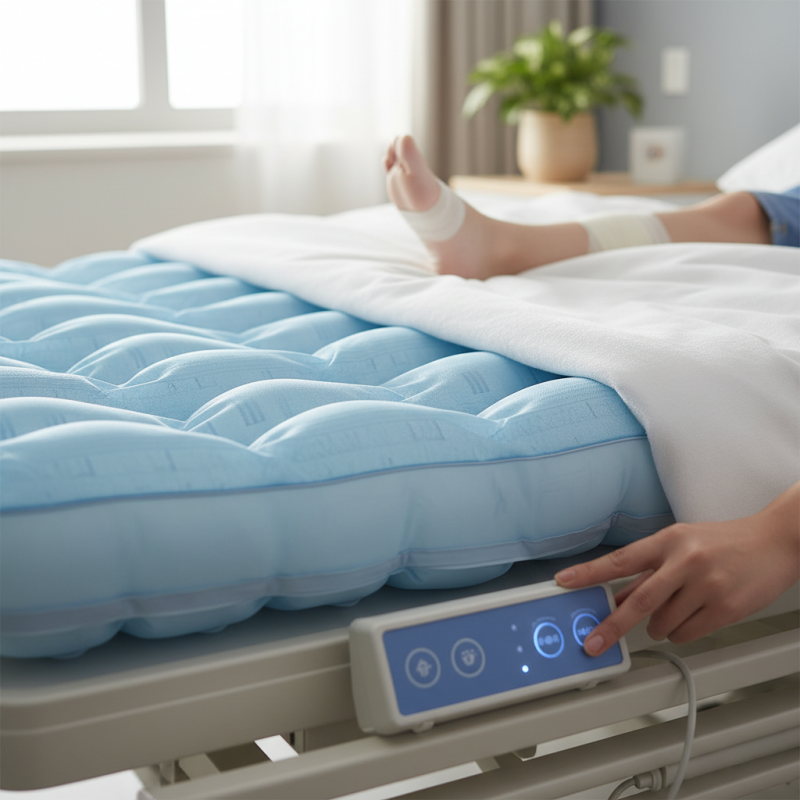
This specialized mattress utilizes alternating pressure to relieve pressure points. It is designed to facilitate blood flow and promote healing. With various configurations, patients can experience enhanced comfort and reduced risk of developing sores.
Many caregivers recognize the importance of addressing bedsores promptly. However, not all air mattresses are created equal. Some might not provide adequate support or comfort. Understanding the differences is essential for effective care. Investing in a quality Bedsore Air Mattress can yield significant benefits for both patients and caregivers.
What is a Bedsore Air Mattress?
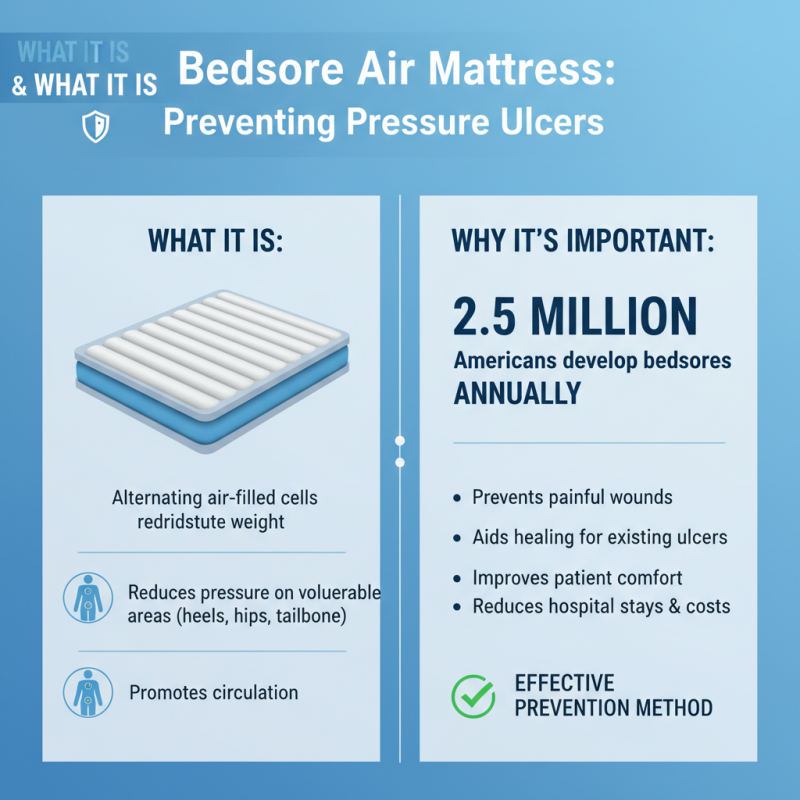
A bedsore air mattress is a specialized support system designed to prevent and treat pressure ulcers, commonly known as bedsores. These mattresses use air-filled chambers to distribute weight evenly, reducing pressure on vulnerable areas of the body. According to research, approximately 2.5 million patients in the U.S. develop bedsores each year. This highlights the significance of effective prevention methods.
The air mattress functions by alternating the pressure in various sections. This movement encourages blood flow to critical areas. A study found that patients using air mattresses showed a 30% reduction in the incidence of bedsores compared to traditional foam mattresses. This technological advancement is essential for patients with limited mobility. However, proper maintenance is crucial. If not regularly checked, air leaks or malfunctions can undermine its effectiveness.
Patients are not always aware of the limits of these mattresses. They may feel secure and neglect turning or repositioning themselves. Caregivers must promote active participation from patients. Understanding that air mattresses are not a one-size-fits-all solution is key. The focus must remain on a comprehensive care plan that includes regular monitoring and mobility. These steps can significantly enhance patient outcomes.
Components of a Bedsore Air Mattress
A bedsore air mattress is designed to prevent pressure ulcers. Its primary function lies in its unique components. These specialized mattresses usually consist of several layers, each serving a distinct purpose.
The top layer is often made of soft, breathable materials. This layer increases comfort and reduces friction. Underneath, you'll find air cells or chambers. These can be inflated or deflated based on the user’s needs. Studies indicate that alternating pressure reduces the risk of bedsores by 70% when compared to traditional mattresses.
Additionally, the control unit is crucial. It regulates air flow and pressure levels. Some models incorporate advanced technologies, offering features like comfort setting adjustments. However, the efficiency of these mattresses can vary. Feedback from healthcare professionals shows that not all patients experience significant benefits. Regular maintenance is crucial to ensure effectiveness. An overlooked aspect may lead to reduced performance.
What is a Bedsore Air Mattress and How Does it Work? - Components of a Bedsore Air Mattress
| Component |
Function |
Material |
Inflation Method |
| Air Cells |
Distribute pressure evenly and reduce the risk of bedsores |
Durable PVC or Nylon |
Electric pump or manual pump |
| Control Unit |
Regulates air flow and pressure settings |
Plastic housing |
Electric control |
| Cover Material |
Provides comfort and protection, allows moisture control |
Cotton or breathable fabric |
N/A |
| Safety Features |
Prevent over-inflation and mechanical failure |
Metal/Plastic valves |
Automatic release |
| Adjustable Settings |
Customizable comfort levels |
Electrical components |
User interface |
How a Bedsore Air Mattress Works
A bedsore air mattress is designed to prevent pressure ulcers in individuals with limited mobility. It uses air cells that inflate and deflate periodically. This process redistributes weight and enhances blood flow. According to a study by the National Pressure Injury Advisory Panel, nearly 2.5 million patients develop pressure ulcers each year in the United States. This statistic highlights the critical need for effective prevention tools.
The air mattress works with advanced technology. Different sections on the mattress adjust their firmness automatically. This feature helps to alleviate pressure points. Research indicates that alternating pressure mattresses can reduce the risk of developing bedsores by up to 60%. It’s essential for caregivers to monitor the air pressure settings to ensure maximum effectiveness.
While these mattresses are beneficial, they are not a standalone solution. Regular repositioning is still necessary. Caregivers must be vigilant about skin integrity and overall patient comfort. In some cases, patients may find the mattress uncomfortable at first. This feedback is vital for adjusting care strategies. Understanding these nuances can lead to improved outcomes for patients at risk of bedsores.
Bedsore Prevention - Effectiveness of Air Mattresses
This chart illustrates the effectiveness of air mattresses in preventing bedsores based on different risk levels. As the risk level increases, the effectiveness of air mattresses in reducing bedsores also tends to be higher, demonstrating their essential role in patient care.
Benefits of Using a Bedsore Air Mattress
A bedsore air mattress is designed to prevent pressure ulcers. It uses air cells that inflate and deflate to redistribute body weight. This unique feature reduces prolonged pressure on specific body areas. Individuals who are bed-bound often benefit greatly from this technology. The dynamic nature of the mattress encourages better circulation, which is vital for healing.
Using a bedsore air mattress has several advantages. It can significantly reduce the risk of developing bedsores. The alternating pressure helps in relieving discomfort for users. Many find it easier to sleep through the night. However, some users may struggle with fitting the mattress to their regular bedding. This inconsistency can lead to disruptions in sleep.
Comfort is paramount, but not all air mattresses are the same. Users must pay attention to adjusting the settings for optimum support. Some may find it challenging to maintain the right level of firmness. These factors can impact overall effectiveness. Still, many see improvements in skin health and well-being, making these mattresses a valuable option.
Maintenance and Care for Bedsore Air Mattresses
Maintaining a bedsore air mattress is crucial for providing comfort and preventing skin issues. Regular cleaning is necessary. Use a mild soap and water solution to wipe down the surface. This prevents dirt and bacteria buildup. Check seams and valves regularly for any signs of wear or damage. These small issues can lead to bigger problems if not addressed promptly.
Air pressure adjustments are also important. Each time a patient uses the mattress, check the settings. The right pressure promotes blood circulation and reduces the risk of pressure sores. It’s important to regularly rotate or reposition the patient as well. Although the mattress helps, it shouldn’t replace movement.
Finally, consider the materials used in the mattress. Some require specific cleaning agents or techniques. It's easy to overlook these details. Keep a record of maintenance done to stay on top of any issues. Small lapses in care can lead to discomfort for the user. Be vigilant in this task. Every little detail counts.