Top 10 Benefits of Using a Central Suction Machine in Healthcare Facilities
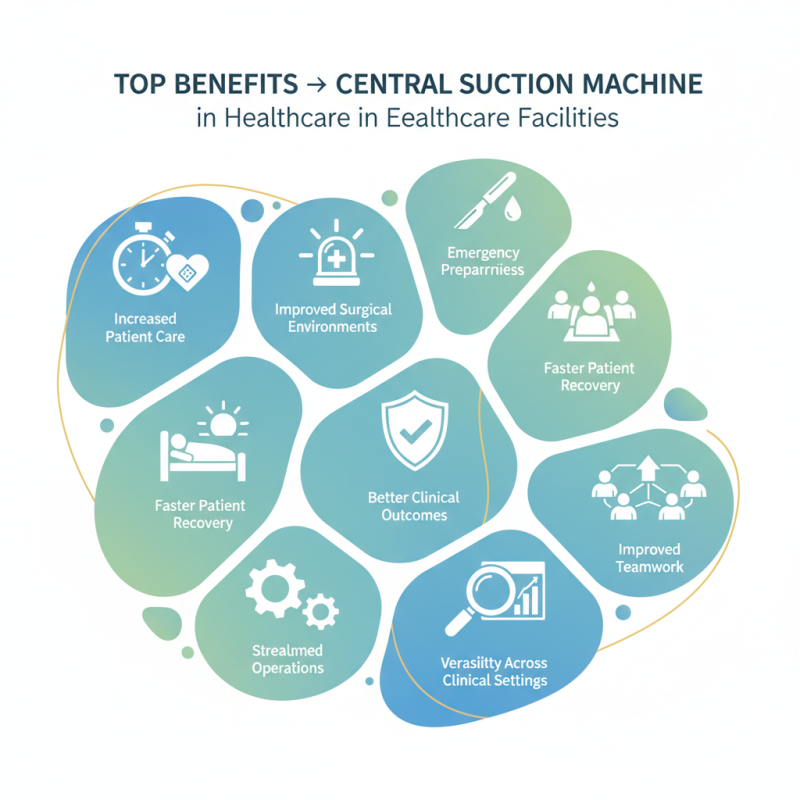
In the fast-evolving landscape of healthcare, efficiency and patient care remain paramount. One innovative solution that has gained prominence in recent years is the Central Suction Machine. According to a report by the Global Healthcare Infrastructure Association, nearly 70% of healthcare facilities are shifting towards centralized suction systems to streamline operations. These machines are not only capable of enhancing surgical environments but also play a crucial role in emergency preparedness and patient recovery.
Dr. Emily Carter, an expert in healthcare systems engineering, emphasizes the significance of such technologies, stating, "Implementing a Central Suction Machine can drastically reduce the time healthcare professionals spend on suctioning tasks, allowing them to focus more on patient care." The versatility of Central Suction Machines extends beyond the operating room, finding valuable applications in various clinical settings, from intensive care units to outpatient facilities. This transition not only supports better clinical outcomes but also improves overall teamwork among medical staff, thereby fostering a more effective healthcare service delivery model.
Benefits of Central Suction Systems for Infection Control in Hospitals
Central suction systems play a crucial role in infection control within healthcare facilities, particularly hospitals. By providing a consistent and reliable method for the removal of infectious materials, these systems help minimize the risk of cross-contamination. The centralized nature of these machines allows for more efficient waste management, as pathogens can be effectively suctioned away from treatment areas. This ensures that healthcare workers are less exposed to potentially harmful infectious agents during procedures, thereby enhancing overall safety protocols.
Moreover, central suction systems streamline the workflow in hospitals. With strategically placed outlets throughout the facility, medical staff can quickly access suction when needed, whether during surgeries or routine procedures. This accessibility not only improves response times but also reduces the reliance on portable suction devices, which can harbor bacteria if not properly cleaned. By maintaining a sterile environment, central suction systems significantly contribute to lower infection rates, leading to better patient outcomes and enhanced trust in healthcare services.
Improved Staff Efficiency Through Centralized Suction Management
In healthcare facilities, the implementation of a central suction machine significantly enhances staff efficiency through streamlined suction management. According to a study published by the Journal of Healthcare Engineering, centralized suction systems can reduce the time healthcare professionals spend on suction-related tasks by approximately 30%. This time savings allows staff to allocate more attention to direct patient care, fostering a higher quality of service and satisfaction among patients.
Moreover, centralized suction machines contribute to improved workflow and reduced clutter in treatment areas. A report from the American Healthcare Association indicates that facilities with centralized systems experience a notable reduction in the number of suction pumps required per unit area, thus minimizing the risk of equipment-related accidents and improving overall safety. Enhanced organization leads to faster response times during critical care situations, ultimately benefiting patient outcomes. As healthcare environments increasingly focus on efficiency and patient-centered care, the adoption of centralized suction systems stands out as an effective strategy to optimize operations.
Top 10 Benefits of Using a Central Suction Machine in Healthcare Facilities - Improved Staff Efficiency Through Centralized Suction Management
| Benefit |
Description |
Impact on Staff Efficiency |
| Streamlined Workflow |
Centralized suction reduces the need for multiple portable suction devices. |
Enhances staff productivity by minimizing setup time. |
| Reduced Cross-Contamination |
Single use suction components lower the risk of infection. |
Decreases time spent on infection control protocols. |
| Cost Efficiency |
Reduces the need for purchasing multiple suction devices. |
Lowers operational costs per patient handled. |
| Easier Maintenance |
Central systems require less frequent maintenance checks. |
Allows staff to focus on patient care rather than equipment upkeep. |
| Improved Patient Safety |
Consistent suction pressure enhances the safety of procedures. |
Reduces the time staff spend correcting suction issues during treatment. |
| Increased Accessibility |
Suction outlets located throughout the facility improve access. |
Enables quicker emergency responses and smoother workflows. |
| Enhanced Training Opportunities |
Standardized systems simplify training for new staff. |
Reduces the learning curve, allowing for more time spent with patients. |
| Space Saving |
Eliminates the need for bulky portable devices. |
Maximizes space within treatment areas for better organization. |
| Standardization |
Creates uniformity in suction management practices. |
Facilitates easier audits and quality control processes. |
| Real-Time Monitoring |
Central systems allow for constant monitoring of suction levels. |
Ensures immediate adjustments that enhance workflow efficiency. |
Reduction of Cross-Contamination Risks in Patient Care Environments
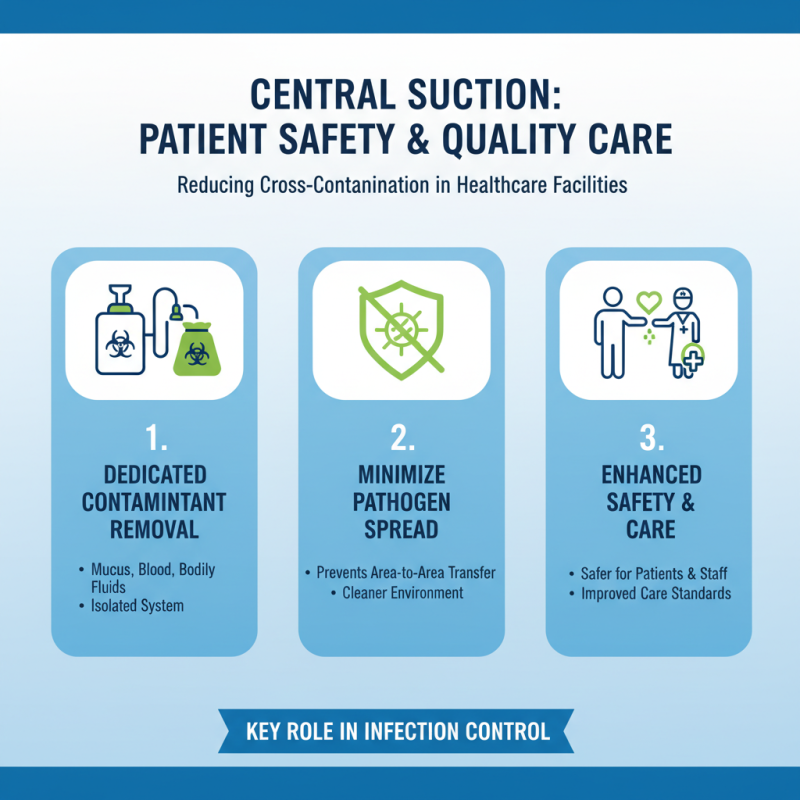
In healthcare facilities, the reduction of cross-contamination risks is paramount for ensuring patient safety and enhancing the quality of care. Central suction machines play a critical role in this aspect by providing a dedicated system for removing contaminants, including mucus, blood, and other bodily fluids, from the patient care environment. This centralized approach minimizes the chances of pathogens spreading from one area to another, creating a cleaner and safer atmosphere for both patients and healthcare providers.
Additionally, central suction systems reduce the need for multiple portable suction devices, which can be sources of contamination if not properly cleaned and maintained. By relying on a centralized solution, healthcare facilities can implement more efficient infection control protocols. The streamlined design of central suction machines often allows for more thorough disinfection processes, further lowering the risk of cross-contamination during procedures. Consequently, a holistic approach to suction management not only enhances patient safety but also supports compliance with infection prevention standards in healthcare settings.
Cost-Effectiveness of Central Suction Machines in Medical Settings
The cost-effectiveness of central suction machines in healthcare facilities is becoming increasingly evident as medical institutions seek ways to optimize operations without compromising patient care. Implementing a central suction system can significantly reduce labor costs, as it minimizes the need for multiple portable suction devices that require regular maintenance and frequent replacement.
According to a report by the Health Care Cost Institute, hospitals that adopted central suction systems reported a 20% decrease in maintenance costs related to suction equipment, leading to substantial savings over time.
Furthermore, central suction machines enhance workflow efficiency and reduce clutter in treatment areas. By providing a centralized suction source, healthcare professionals can easily access suction capabilities where needed, leading to quicker response times during critical procedures.
The Association for the Advancement of Medical Instrumentation estimates that streamlined suction systems can save approximately $50,000 annually per facility in operational delays and inefficiencies.
Tips for maximizing cost-effectiveness include conducting regular training for staff on the optimal use of the suction systems and maintaining a consistent maintenance schedule to prevent unnecessary breakdowns. Moreover, investing in high-quality suction systems upfront can yield long-term savings by reducing the frequency of replacements and minimizing service interruptions. Engaging staff in feedback sessions regarding equipment performance can also highlight areas for improvement, further enhancing cost-efficiency in the healthcare setting.
Enhanced Patient Safety and Satisfaction with Reliable Suction Solutions
Incorporating a central suction machine into healthcare facilities significantly enhances patient safety and satisfaction, addressing key challenges associated with conventional suction methods. According to a report by the World Health Organization, proper suction management is crucial in preventing complications related to airway obstructions, which can lead to detrimental outcomes. Central suction systems provide consistent and reliable suction capabilities, mitigating the risks of device failure or suboptimal performance during critical procedures. This reliability fosters an environment where healthcare professionals can focus on patient care rather than equipment concerns.
The implementation of these systems also contributes to improved infection control, a vital aspect of patient safety. The Centers for Disease Control and Prevention (CDC) highlights that centralized suction can reduce the risk of cross-contamination typically associated with portable units. By minimizing the movement of portable suction devices between patients, healthcare facilities can significantly decrease the incidence of healthcare-associated infections (HAIs). Enhanced infection control measures not only safeguard patient health but also lead to higher levels of patient satisfaction, as individuals feel more secure in their care environment. Studies have shown that facilities employing advanced suction technologies report increased patient satisfaction scores, reinforcing the positive correlation between technology integration and quality of care.