Top 10 Benefits of Using a Central Suction Machine in Healthcare Settings?
In today's healthcare environments, efficiency and hygiene are paramount. A Central Suction Machine is essential for effective patient care. These machines streamline the suction process, ensuring that healthcare providers can quickly and safely manage fluids and secretions.
The benefits of using a Central Suction Machine extend beyond mere convenience. Enhanced workflow can reduce the time staff spends on manual suctioning, which helps to improve overall patient outcomes. Moreover, the reliability of these machines minimizes downtime during critical procedures, which is often a serious concern.
While the advantages are clear, there are challenges to consider. Maintenance and staff training are crucial to maximize functionality. A poorly maintained Central Suction Machine can lead to complications, highlighting the importance of regular checks and balances. Balancing technology with proper training is necessary for optimal operation in high-pressure settings.
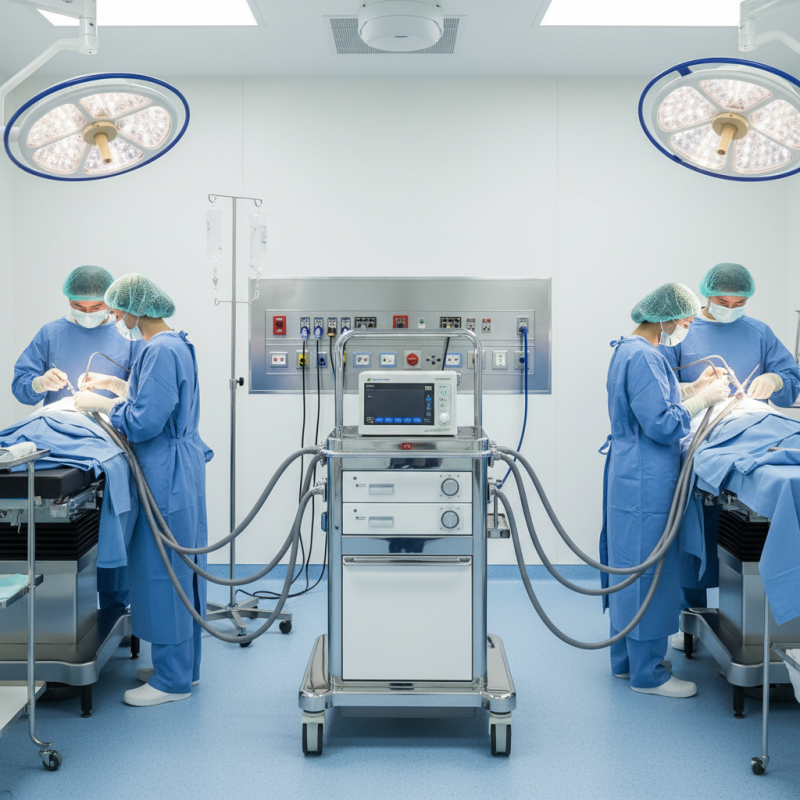
Benefits of Central Suction Machines: Improving Infection Control in Hospitals
Central suction machines play a crucial role in infection control within healthcare settings. These machines effectively remove fluids and secretions from patients, reducing the risk of contamination. By maintaining a clean environment, they contribute to patient safety. Hospitals need to implement effective suction systems to enhance therapeutic interventions.
Infection control is vital for patient outcomes. Central suction machines streamline procedures, promoting quicker recovery times. However, not all hospitals utilize this technology properly. Some facilities may struggle with equipment maintenance and staff training. Regular checks are essential to ensure optimal performance. An effective suction system should be reliable and easy to use.
Moreover, healthcare workers should receive ongoing education about infection risks and suction machine capabilities. Understanding how to use these machines helps prevent cross-contamination and protect vulnerable patients. While central suction machines offer many benefits, there's always room for improvement in training and protocols. Continuous learning and adaptation are necessary for better infection control practices.
Top 10 Benefits of Using a Central Suction Machine in Healthcare Settings
| Benefit |
Description |
| Improved Infection Control |
Central suction machines minimize the risk of cross-contamination by providing a clean and contained suctioning process, essential for infection control. |
| Efficiency in Service |
Central systems enable rapid suctioning, allowing healthcare professionals to respond quickly to patient needs without delays. |
| Space Saving |
Centralized suction reduces the clutter of multiple portable machines, freeing up valuable space in healthcare settings. |
| Reduced Maintenance |
Fewer individual units mean lower overall maintenance and downtime, enhancing operational efficiency. |
| Consistent Performance |
Central suction machines provide reliable and steady suction capabilities, ensuring optimal performance during critical procedures. |
| Enhanced Safety |
Central suction reduces the risk of accidents associated with moving portable suction devices, contributing to overall patient and staff safety. |
| Improved Workflow |
Integration of central suction systems into clinical workflows streamlines processes and enhances team collaboration. |
| Lower Operating Costs |
Centralized systems can lead to lower costs through reduced equipment purchases and less frequent maintenance requirements. |
| Patient Comfort |
Quieter central suction systems can enhance patient experience, contributing to a more reassuring environment. |
| Scalability |
Central suction systems can easily be expanded or modified to meet the changing demands of healthcare facilities as they grow. |
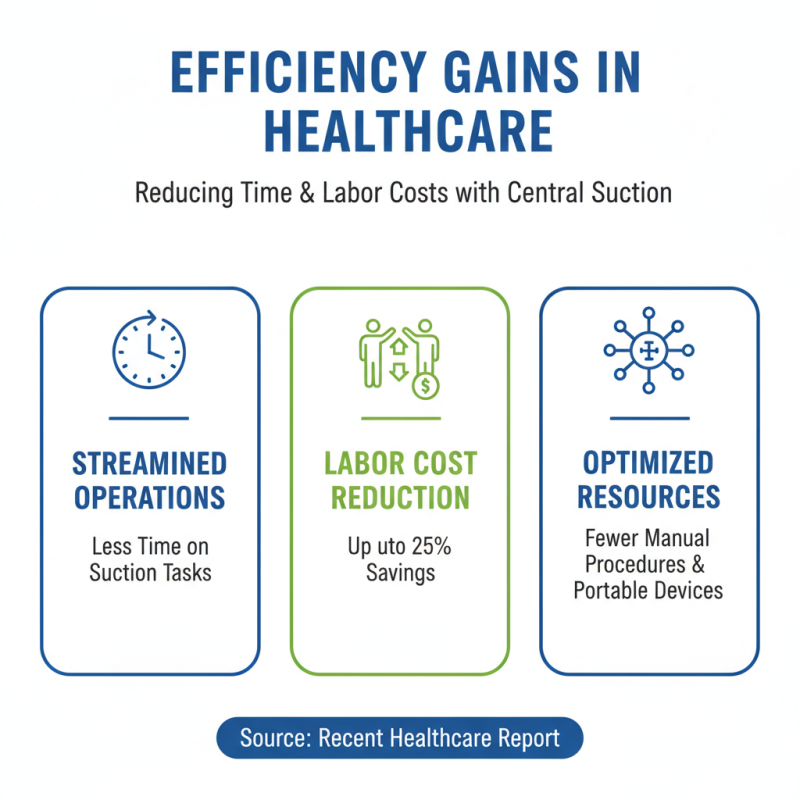
Efficiency Gains in Healthcare: Reducing Time and Labor Costs with Central Suction
In healthcare settings, central suction machines play a vital role in streamlining operations. By integrating these machines into facilities, hospitals can significantly reduce time spent on suction-related tasks. A recent report highlighted that hospitals using central suction can cut labor costs by up to 25%. This efficiency stems from fewer manual suction procedures and reduced need for portable devices.
Moreover, central suction systems minimize downtime. Medical professionals can quickly access suction without the delays of setting up individual machines. This system delivers consistent performance, ensuring that suction is available when needed. According to the Healthcare Facilities Research Group, proper suction accessibility improves procedural times by 15%. However, implementing a central suction system requires careful planning and consideration of workflow dynamics.
While central suction offers many benefits, challenges do arise. Facilities must ensure regular maintenance to avoid malfunctions, which can lead to significant interruptions. Training staff on the system is also essential. As seen in some facilities, lack of familiarity can hinder efficiency. The balance between integration and practical use remains crucial for maximizing benefits in medical environments.
Enhancing Patient Safety: Minimizing Risks of Cross-Contamination in Care
In healthcare environments, patient safety is paramount.
A central suction machine minimizes risks associated with cross-contamination.
By employing a centralized system, healthcare facilities can streamline suctioning procedures.
This reduces the potential for infection transmission between patients.
Central systems are designed to be more hygienic than portable units.
They provide a consistent source of suction while keeping the environment cleaner.
Tips for minimizing infection risks include regular maintenance of suction equipment.
Ensure that filters and canisters are changed frequently.
This prevents any buildup of bacteria that can lead to complications.
Training staff on proper suction techniques also enhances safety.
They should understand the correct use of central suction systems.
Routine checks should be conducted to confirm that vacuum levels remain effective.
Consideration should also be given to staff hygiene.
Handwashing protocols must be strictly followed.
Ensure all team members wear appropriate PPE when using suction devices.
These steps create an environment focused on patient well-being.
It's essential to reflect on current practices and seek improvements continuously.
Explore ways to encourage open discussions about safety within the team.
Streamlining Operations: The Role of Central Suction in Workflow Optimization
In healthcare, efficiency is vital. A central suction machine enhances workflow significantly. It creates a streamlined approach to suction needs across various departments. This system minimizes clutter and reduces the number of devices needed. Staff can easily access a centralized system, leading to quicker interventions. Such accessibility is essential in emergency settings.
The role of central suction goes beyond convenience. It improves infection control by reducing surface contact and potential contamination. However, the reliance on a centralized system can pose challenges if not maintained properly. Regular checks are necessary to ensure optimal performance. Staff training is crucial to ensure everyone understands the system.
Operational efficiency can lead to better patient outcomes. When healthcare teams are not bogged down by inefficient processes, they can focus more on patient care. A well-functioning central suction system can save time and resources. Still, it’s essential to constantly assess its effectiveness. Improvements may be needed to adapt to changing healthcare environments. Continuous evaluation ensures that central suction systems remain beneficial and effective.
Top 10 Benefits of Using a Central Suction Machine in Healthcare Settings
Environmental Impact: How Central Suction Machines Contribute to Sustainability in Healthcare
In healthcare, central suction machines are crucial for both patient care and environmental sustainability. These machines significantly reduce waste compared to traditional systems. A study indicated that hospitals that switched to central suction systems cut their waste generation by up to 30%. This reduction is crucial as medical waste can take years to decompose, contributing to environmental pollution.
Moreover, central suction machines operate more efficiently by minimizing equipment usage. Reportedly, they save energy by 25% compared to standalone suction units. This efficiency not only decreases operating costs but also reduces carbon emissions. Each machine connected to a building-wide central system supports green initiatives, promoting a cleaner environment.
However, these systems require regular maintenance to ensure optimal performance. Failing to maintain suction machines can lead to increased emissions and operational inefficiencies. Frequent inspections and adherence to best practices are vital. Facilities should weigh the benefits against the ongoing commitment to upkeep. Balancing immediate benefits with long-term sustainability challenges remains an area for continuous improvement in the healthcare industry.