Top 10 Benefits of Using Decubitus Beds for Patients?
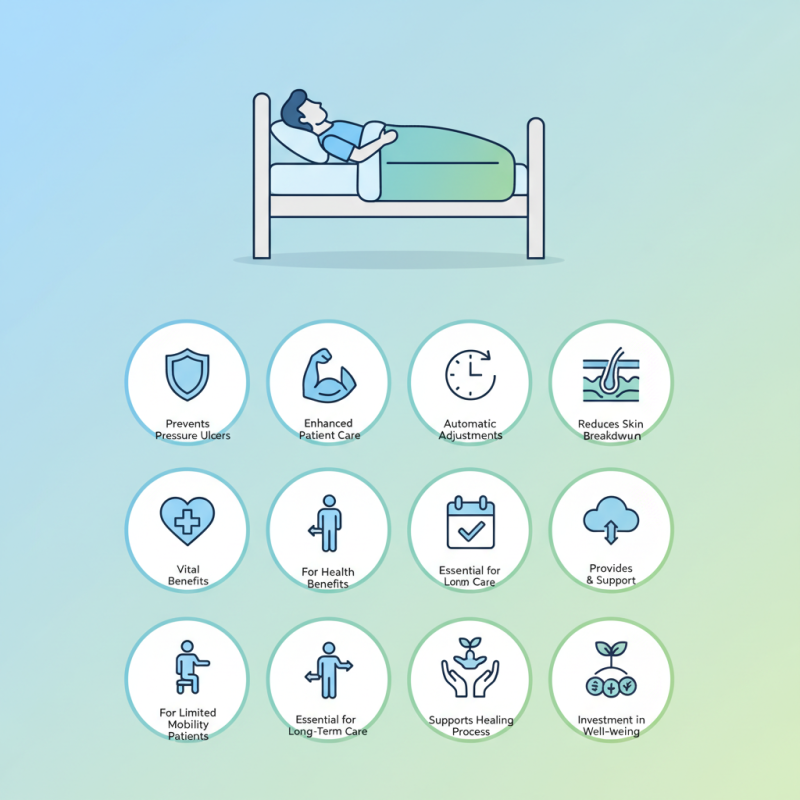
The use of a Decubitus Bed can significantly enhance patient care, especially for those with limited mobility. These specialized beds are designed to prevent pressure ulcers. More than just a comfort feature, they offer vital health benefits.
Many patients find it hard to change positions regularly. A Decubitus Bed allows for automatic adjustments. This feature reduces the risk of skin breakdown caused by constant pressure. With a gentle rise or tilt, the bed provides comfort and support.
The importance of a Decubitus Bed goes beyond mere comfort. It is essential for long-term care patients. Many families may overlook the significance of this equipment. It can truly make a difference in the healing process. Investing in such beds reflects a commitment to patient well-being. While some may question the costs, the benefits far outweigh them.
Benefits of Pressure Relief in Decubitus Beds for Patient Care
Decubitus beds are essential for patient care. They effectively relieve pressure on vulnerable areas. Reports indicate that up to 30% of hospitalized patients develop pressure ulcers. These injuries can lead to severe complications. That demonstrates the need for better pressure relief measures.
The design of decubitus beds often includes adjustable settings. This feature allows caregivers to position patients optimally. Studies show that repositioning patients every two hours reduces ulcer risk. However, not all healthcare facilities implement this practice. Ensuring consistency can be challenging.
Pressure relief in these beds also impacts patient comfort. Patients report less pain when using adjustable beds. Enhanced comfort may lead to shorter hospital stays. Data from healthcare professionals suggest that comfort is linked to patient recovery rates. This correlation highlights the need for better resources in healthcare settings.
Top 10 Benefits of Using Decubitus Beds for Patients
| Benefit |
Description |
| Pressure Relief |
Helps to redistribute body weight and reduce pressure points, preventing bedsores. |
| Improved Comfort |
Provides enhanced comfort for patients, leading to a better overall experience during recovery. |
| Enhanced Blood Circulation |
Promotes better blood flow, which can accelerate healing and minimize complications. |
| Reduced Pain |
Substantial decrease in pain for patients with pressure ulcers and other conditions. |
| Easy Positioning |
Allows for easy adjustment of patient positions to enhance comfort and care accessibility. |
| Hygiene Maintenance |
Facilitates easier cleaning and maintenance of hygiene for immobilized patients. |
| Support for Rehabilitation |
Provides necessary support for patients undergoing rehabilitation through proper positioning. |
| Personalized Adjustments |
Allows caregivers to customize settings based on individual patient needs. |
| Quality of Life Improvement |
Overall enhancement of patient quality of life during long hospital stays. |
| Cost-Effectiveness |
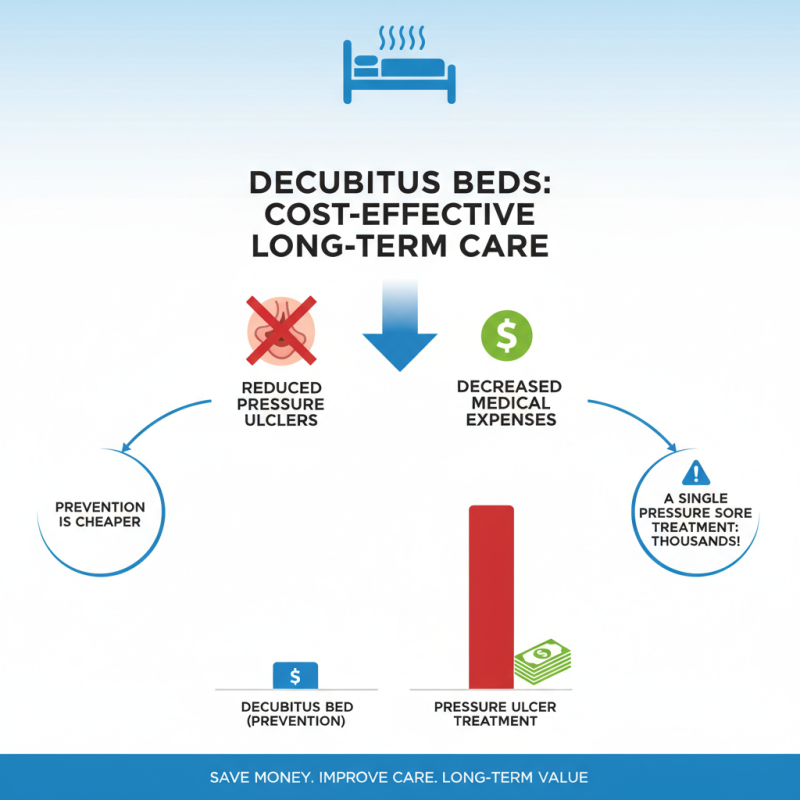
Reduces the need for extensive treatments related to pressure sores, ultimately lowering healthcare costs. |
Enhanced Patient Mobility and Comfort Through Adjustable Bed Features
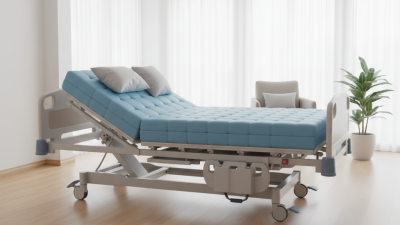
Decubitus beds offer remarkable benefits for patient mobility and comfort. Adjustable bed features play a significant role in improving the overall experience. Patients can change positions easily, allowing them to find a comfortable angle. This is crucial for reducing discomfort and preventing stiffness. Enhanced mobility promotes healthier circulation. It also helps avoid complications like pressure sores.
Moreover, these beds cater to individual needs. Some patients may prefer sitting up slightly. Others might benefit from lying flat. These adjustments can make a huge difference in their daily life. They can read, watch TV, or eat more easily. However, sometimes patients may struggle to operate the controls. This can lead to frustration, highlighting the need for user-friendly designs.
Even with all these advantages, challenges remain. Families might need to learn how to assist their loved ones effectively. Training on bed adjustments can be overlooked. Each patient's needs are unique, and what works for one may not work for another. It's essential to consider these factors to truly enhance patient comfort and mobility.
Reduction of Pressure Ulcers with Specialized Mattress Technologies
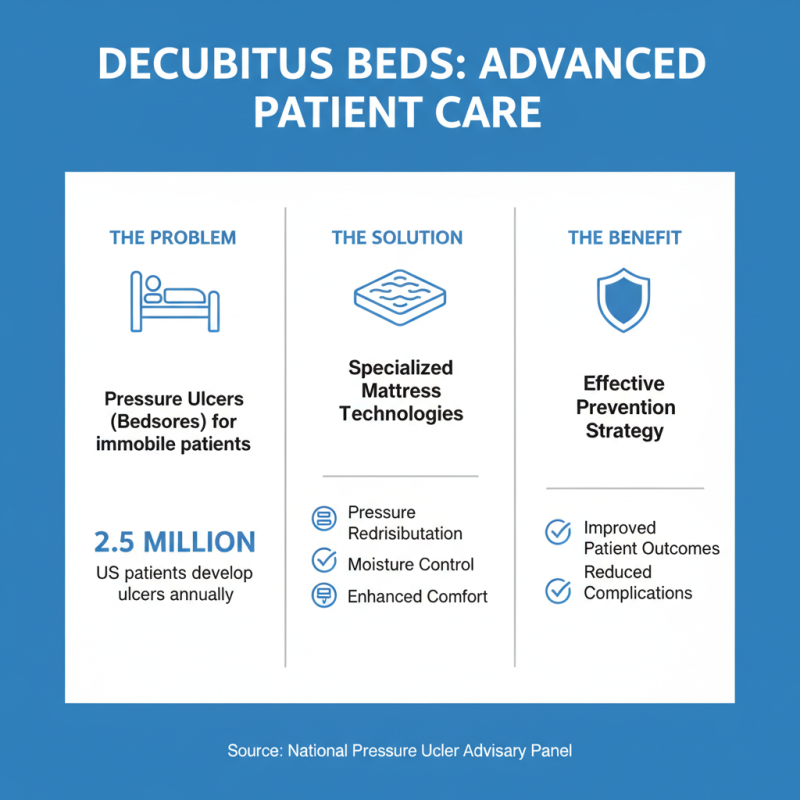
The use of specialized mattress technologies in decubitus beds is crucial for patient care. Pressure ulcers, also known as bedsores, can be a significant concern for immobile patients. According to the National Pressure Ulcer Advisory Panel, nearly 2.5 million patients develop pressure ulcers in the U.S. each year. This statistic highlights the importance of effective prevention strategies.
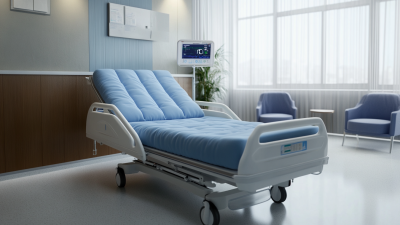
Specialized mattresses are designed to reduce pressure points. They utilize materials that redistribute body weight. This helps to maintain blood flow to vulnerable areas, thus minimizing the risk of skin breakdown. Research indicates that these mattresses can reduce the incidence of pressure ulcers by up to 80%.
Despite these advancements, challenges remain. Not all patients respond equally to specialized technologies. Some may still develop ulcers, necessitating ongoing evaluation and care. Additionally, healthcare providers must receive proper training to utilize these beds effectively. There is a need for continual assessment and adaptation to ensure that every patient receives the best possible care.
Improved Sleep Quality and Emotional Well-being for Immobilized Patients
Immobilized patients often face challenges in achieving proper sleep quality. Utilizing decubitus beds can significantly enhance comfort. According to a recent study published in the Journal of Clinical Nursing, about 70% of bedridden patients report poor sleep due to discomfort and anxiety. Decubitus beds address this issue by distributing pressure evenly, which can prevent the occurrence of pressure ulcers. This improvement leads to deeper, more restorative sleep.
Emotional well-being is closely linked to sleep quality. Research from the National Sleep Foundation indicates that inadequate sleep can heighten feelings of depression and anxiety. Patients on decubitus beds report an increased sense of security and reduced stress levels. The design of these beds encourages restful positioning, which contributes to an improved mood and overall emotional resilience. However, some patients might initially feel apprehensive about using a new bed. This reluctance can stem from past experiences or fear of change. It’s essential to provide reassurance and adaptation periods to maximize these benefits effectively.
Top 10 Benefits of Using Decubitus Beds for Patients