Leave Your Message

Best Decubitus Bed Options for Pressure Ulcer Prevention and Comfort

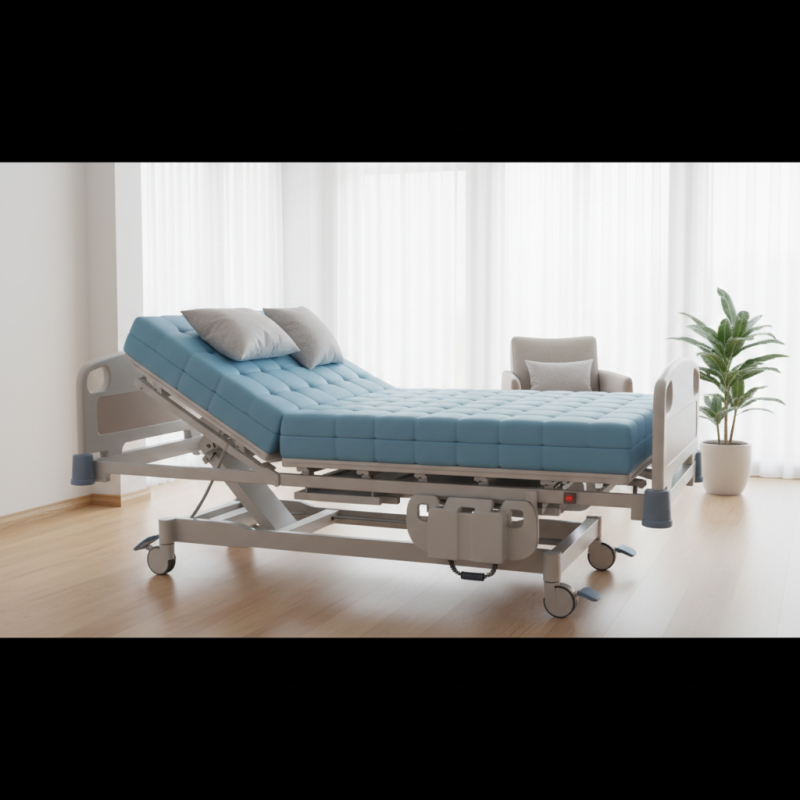
In the realm of healthcare, ensuring the comfort and well-being of patients with limited mobility is paramount. One critical aspect of this care is the use of a Decubitus Bed, specifically designed to mitigate the risk of pressure ulcers, also known as bedsores. These injuries occur when sustained pressure impairs blood flow to the skin, particularly in individuals who are bedridden for extended periods. The choice of a suitable Decubitus Bed can significantly impact both the prevention of these ulcers and the overall comfort of the patient.

Decubitus Beds utilize advanced materials and innovative designs to distribute weight evenly, thereby reducing pressure points. Not only do they serve as a physical barrier against the harsh effects of prolonged immobility, but they also promote better circulation and enhance comfort during rest. This introduction to the best Decubitus Bed options emphasizes the importance of selecting the right bed to foster healing environments and support the daily living needs of vulnerable populations. Ultimately, investing in an appropriate Decubitus Bed is a crucial step toward improving patient outcomes and enhancing their quality of life.
Best Decubitus Bed Options for Pressure Ulcer Prevention and Comfort

Understanding Pressure Ulcers and Their Impact on Health

Best Decubitus Bed Options for Pressure Ulcer Prevention and Comfort

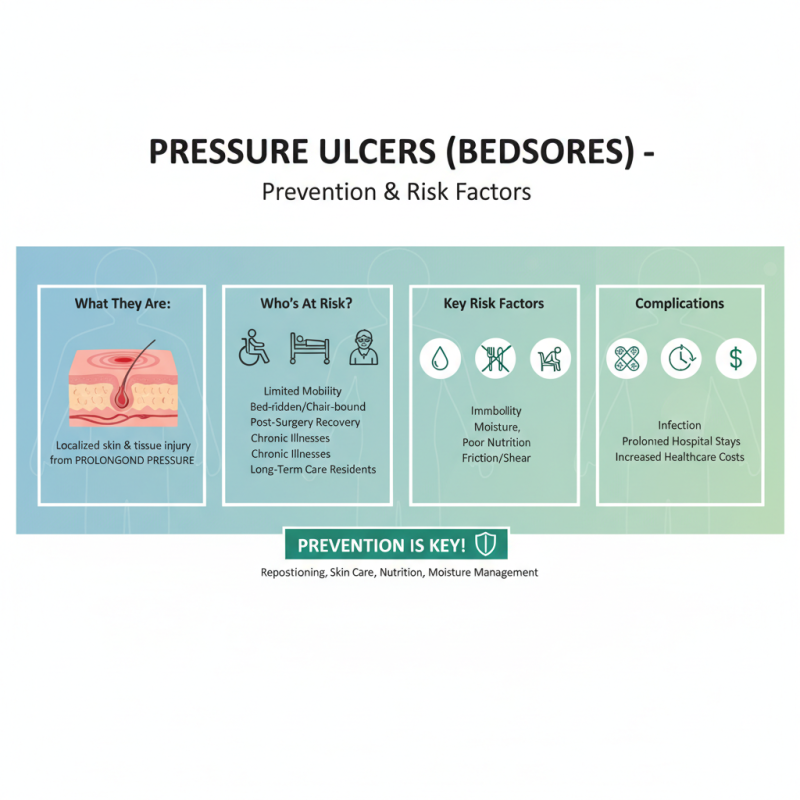
Pressure ulcers, commonly known as bedsores, are localized injuries to the skin and underlying tissue that occur due to prolonged pressure, often affecting individuals with limited mobility. These injuries can lead to significant health complications, including infections, prolonged hospital stays, and increased healthcare costs. Understanding the risk factors, such as immobility, poor nutrition, and moisture, is essential for effective prevention. Individuals in long-term care settings, as well as those recovering from surgery or suffering from chronic illnesses, are particularly vulnerable to developing pressure ulcers.

The impact of pressure ulcers extends beyond the physical manifestations; they can lead to substantial psychological effects and decreased quality of life. Individuals may experience pain, discomfort, and a sense of helplessness, which can contribute to anxiety and depression. Effective prevention strategies, including regular repositioning, appropriate nutrition, and the use of specialized bedding, are crucial in minimizing the risk of these injuries. By prioritizing education and awareness, caregivers can create a supportive environment that promotes mobility and comfort, ultimately enhancing the overall well-being of those at risk.

Importance of Choosing the Right Decubitus Bed for Prevention

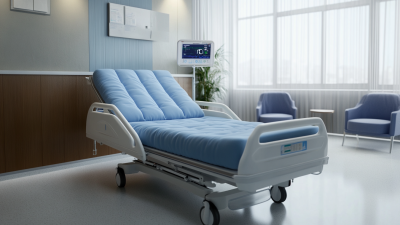
Choosing the right decubitus bed is crucial for the prevention of pressure ulcers, especially for individuals with limited mobility or those confined to bed for extended periods. The ideal bed should provide adequate support and comfort while promoting better circulation. A mattress designed to relieve pressure points can significantly reduce the risk of skin breakdown, allowing for a more restful sleep environment. Additionally, adjustable features can facilitate proper positioning, further enhancing comfort.

Tips for selecting a decubitus bed include evaluating the mattress material, such as memory foam or air-filled layers, which can improve pressure distribution. Consider the bed’s adjustability; options that allow for elevation of the head or legs can help alleviate pressure on vulnerable areas. Furthermore, look for a bed with breathable materials to minimize moisture retention, as excess moisture can contribute to skin irritation.

Another important aspect to consider is the overall size and height of the bed, which should accommodate the user’s needs while ensuring easy access for caregivers. Regular maintenance, including checking for wear and tear, is essential to retain the bed’s effectiveness in preventing pressure ulcers. By prioritizing these factors, you can enhance both comfort and safety for individuals at risk of pressure sores.

Types of Decubitus Beds: Which One Is Right for You?

When selecting a decubitus bed, understanding the various types available is crucial for ensuring both pressure ulcer prevention and patient comfort. The most common types include foam mattresses, air mattresses, and hybrid models. Foam mattresses are widely used due to their affordability and ability to redistribute weight. The National Pressure Injury Advisory Panel (NPIAP) reports that foam mattresses can significantly reduce the incidence of pressure injuries when used correctly.

Air mattresses, on the other hand, offer advanced pressure relief through adjustable air cells that can be inflated or deflated as needed. This adaptability allows for effective weight distribution, which is essential for high-risk patients. According to a study conducted by the American Journal of Nursing, patients using air beds experienced a 50% lower incidence of pressure ulcers compared to those on standard mattresses.

Hybrid models combine both foam and air technologies, providing the benefits of both while enhancing comfort and support. Tips for selecting the right decubitus bed include assessing the patient’s mobility level and the level of caregiver assistance available. For patients with limited mobility, a bed with integrated turning features may be beneficial. Regular monitoring of skin integrity is also essential, as early detection of pressure points can lead to timely interventions.

Finally, consider the bed's weight capacity and dimensions to ensure it meets the needs of the patient safely and effectively.

Key Features to Look for in a Pressure Relief Mattress

When choosing a pressure relief mattress, several key features are essential to ensure optimal comfort and prevention of pressure ulcers. According to the National Pressure Injury Advisory Panel (NPIAP), nearly 2.5 million patients in the United States experience pressure injuries each year, underscoring the importance of selecting the right mattress for those at risk. A quality pressure relief mattress should offer adequate support and weight distribution to minimize pressure points. This can be achieved through materials such as memory foam or gel, which contour to the body’s shape, providing comfort while preventing excessive pressure on vulnerable areas.

Additionally, the mattress's ability to promote airflow is crucial in maintaining skin integrity. A breathable design helps regulate temperature and moisture, which are significant factors in skin breakdown. The NPIAP emphasizes that moisture can increase the risk of pressure ulcers, making it essential to choose a mattress that includes moisture-wicking properties. Another feature to consider is the mattress's adjustable firmness levels; customizable firmness can cater to individual preferences and provide enhanced support.

Investing in a mattress with both adjustable layers and high-quality materials can significantly reduce the likelihood of pressure ulcers, highlighting its critical role in patient comfort and safety.

Maintenance and Care Tips for Decubitus Bed Longevity

Maintaining the longevity of decubitus beds is crucial for ensuring the well-being of patients at risk of pressure ulcers. Regular maintenance not only preserves the bed's functionality but also promotes comfort. According to a recent report by the Agency for Healthcare Research and Quality, 2.5 million patients develop pressure ulcers annually in the United States alone, demonstrating the importance of effective preventive measures. Routine inspections of the bed for any visible wear and tear, such as torn covers or malfunctioning mechanisms, should be conducted. It is essential to clean and disinfect the surface regularly to prevent any bacterial buildup, contributing to a healthier environment for the patient.

Proper care extends to managing the bed's components. For instance, foam mattresses should be rotated and replaced as necessary to retain their supportive properties. The National Pressure Injury Advisory Panel indicates that pressure relief solutions must be assessed and adjusted regularly, with a focus on the patient's changing needs. Furthermore, maintaining the integrity of power sources for adjustable beds can prevent unexpected failures. Consistent attention to these aspects can significantly prolong the life span of decubitus beds while ensuring they remain an effective tool in preventing pressure ulcers and enhancing patient comfort.

Best Decubitus Bed Options for Pressure Ulcer Prevention and Comfort

Bed Type Pressure Relief Mechanism Comfort Level Weight Capacity Care Tips
Foam Mattress High-density foam Medium 300 lbs Regularly rotate and clean
Alternating Pressure Mattress Air cell adjustment High 400 lbs Check air levels regularly
Gel Mattress Gel-infused foam High 350 lbs Surface cleaning with mild soap
Water Bed Water-filled support Very high 500 lbs Monitor for leaks
Hybrid Mattress Foam and air combination Very high 400 lbs Periodically adjust air pressure