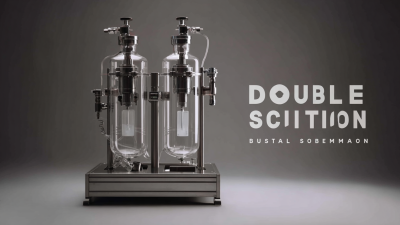
China has become a major production base for packaging and liquid-handling equipment. Its manufacturing depth supports machines for water, beverages, detergents, cosmetics, and household chemicals. Within this expanding field, the Double Bottle Suction Machine serves a practical purpose. It can transfer, extract, or handle two bottles in one operating cycle, depending on the machine design.
Market evidence shows why this equipment deserves closer attention. Grand View Research valued the global packaging machinery market at approximately USD 45.8 billion in 2023. Its report also projects continued growth through 2030, supported by automation and demand for efficient filling lines. Smithers’ The Future of Global Packaging to 2028 similarly identifies automation, material efficiency, and production flexibility as important industry directions. PMMI reports that manufacturers increasingly seek connected equipment, easier maintenance, and stronger operational visibility.
These trends provide useful context for evaluating Chinese suppliers. However, a catalog image cannot prove machine quality. That limitation matters. Buyers should compare bottle compatibility, suction accuracy, cycle speed, stainless-steel grade, control systems, cleaning access, and after-sales support. A capable factory should provide test videos, technical drawings, spare-parts information, and realistic production data.
This guide introduces China’s top 10 Double Bottle Suction Machine manufacturers through a practical, evidence-based lens. The ranking should not be treated as universal. Supplier strengths vary by application, bottle geometry, liquid viscosity, and required automation level. Some manufacturers communicate their capabilities clearly; others leave important details unanswered. Careful verification remains essential before requesting a quotation or approving a production trial.
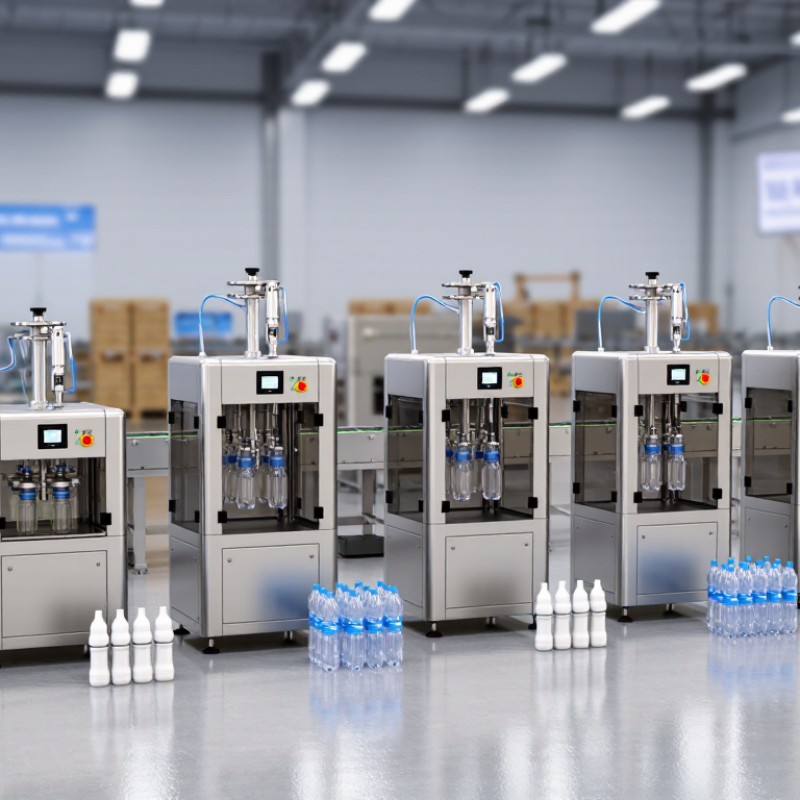
Double bottle suction machines are designed for steady material transfer in bottle-processing lines. Their typical capacity ranges from 25 to 100 kg/h, covering small workshops and medium production floors. Actual output depends on bottle shape, material density, moisture, and conveying distance.
Core specifications deserve careful comparison. A practical unit may include two suction inlets, an adjustable vacuum system, and a stainless-steel hopper. Motor power often falls between 1.5 and 5.5 kW, depending on the required airflow. A transparent inspection section helps operators observe blockages early. Variable-speed control is useful when different bottle sizes enter the line. Noise levels, filter access, and cleaning time also affect daily efficiency.
Many manufacturers list maximum capacity under ideal test conditions. That figure may drop in a dusty workshop. This is easy to overlook. Buyers should request performance data using their actual bottle type and line distance. Ask about filter material, overload protection, replacement parts, and control-panel protection. Food-contact applications may require different construction standards, while general industrial use can prioritize durability and lower maintenance costs. From practical evaluation, stable suction is usually more valuable than a higher advertised speed. A machine that feeds unevenly can interrupt the whole line. The specification sheet should therefore show airflow, vacuum pressure, inlet diameter, power consumption, and tested throughput—not only a headline capacity.
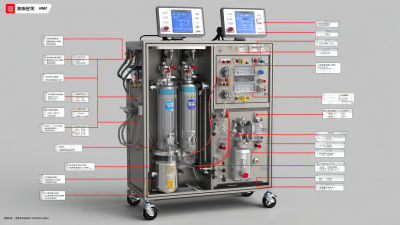
China Top 10 Double Bottle Suction Machine Manufacturers
China’s top ten double bottle suction machine manufacturers differ mainly in vacuum stability, motor power, and bottle compatibility. A reliable comparison should record vacuum pressure in kPa, not only marketing claims. Some models maintain steady suction during continuous operation, while cheaper units may fluctuate when both bottles fill. Motor ratings commonly range from moderate workshop power to higher industrial output. Higher wattage helps demanding cycles, but it can also increase heat, noise, and energy use. That trade-off deserves attention.
Bottle compatibility is equally important. Check neck diameter, bottle height, material, and sealing method before ordering. Machines supporting glass, PET, and flexible containers offer greater production flexibility. However, compatibility lists can be incomplete. Ask for sample testing with your actual bottles. Inspect the suction cups, hoses, valves, and quick-release fittings. These small parts often decide daily reliability. Factory experience matters here, especially when manufacturers provide test records, spare-part guidance, and operator training.
Tips: Request a vacuum test under two-bottle loading. Confirm the reading after ten minutes, not only at startup. Ask about cleaning access and seal replacement intervals. Compare noise levels in decibels. A powerful machine is not automatically better. In some workshops, stable lower power performs better than an oversized motor. I would also verify the quoted capacity with a real production trial, because catalog figures can be optimistic.
Anonymous specification comparison by vacuum level, motor power, and maximum compatible bottle volume.
The benchmark uses commonly published technical specification ranges for double-bottle suction equipment. Vacuum is shown as absolute vacuum pressure, while bottle compatibility is represented by the maximum supported bottle volume.
A reliable ranking should compare measurable performance, not attractive factory photos. Output capacity shows whether a supplier can support stable production during peak orders. Request hourly figures from recent factory records, then verify them with a live trial. Reported capacity may change with bottle size, operator skill, and material.
Noise matters in enclosed workshops. Ask for readings in decibels at a stated distance, preferably during continuous operation.
Lead time should include production, testing, packing, and export preparation. A short promise is meaningless if spare parts arrive late.
MOQ affects small buyers most, while price must include tooling, shipping terms, installation support, and maintenance parts. The cheapest quotation can become expensive after one month.
Tips: Build a scoring sheet with these five metrics. Weight output and noise for daily production, then adjust lead time, MOQ, and price for your actual order. Ask for inspection videos, calibration records, and customer references. Keep written specifications; verbal assurances are easy to misunderstand. A 1–5 score is useful, but it is not perfect. Suppliers may present ideal conditions, while your bottles behave differently. Test your own samples before ranking a machine as the best fit.
For a double bottle suction machine, certification evidence matters more than a polished sales page. ISO’s Survey 2023 recorded over 1.26 million ISO 9001 certificates worldwide. Yet certification numbers do not prove every machine is safe or consistent. Request the certificate scope, audit date, factory address, and certificate validity. Check whether the scope covers manufacturing, assembly, and after-sales service.
CE marking is not a universal certificate issued by one central agency. The manufacturer should provide an EU Declaration of Conformity, technical documentation, and applicable test records. For machines with two bottle stations, review guarding, emergency stops, vacuum failure protection, wiring separation, and access to moving parts. ISO 12100 should support a documented risk assessment. It should identify crushing, trapping, electrical, pneumatic, and unexpected-start hazards. IEC 60204-1 evidence should include electrical schematics, protective bonding, insulation checks, control-circuit design, and emergency-stop verification.
The European Commission’s Safety Gate 2023 report listed 3,412 safety alerts across consumer products. The figure is not specific to suction equipment, but it shows why traceable controls remain important. Ask for test photos and serial-number records. A certificate alone is weak evidence. A clean folder can still hide a poor test. Supplier audits, sample-machine inspection, and witnessed functional testing add practical confidence, although no checklist is perfect.
China Top 10 Double Bottle Suction Machine Manufacturers
Choosing among the top ten manufacturers requires more than comparing purchase prices. Use a ten-point scorecard based on total cost, output, bottle compatibility, suction stability, energy use, automation, construction quality, maintenance access, spare parts, and service support. Ask for measured production data, not only catalog claims. A factory trial with your bottle sizes can reveal leakage, vibration, or uneven suction.
Check the machine frame, seals, valves, sensors, and control cabinet carefully. Stainless steel contact areas should be easy to clean and inspect. Request a written spare-parts list with prices and delivery times. Common seals should not wait six weeks. Confirm whether technicians provide installation training, remote diagnosis, and clear maintenance schedules. Warranty wording matters too. It should identify response times and excluded parts.
Cost calculations need honesty. A cheaper machine may consume more power or require frequent seal replacement. My early estimates were sometimes too optimistic. Include labor, downtime, shipping, installation, and operator training. Review at least three customer references, preferably using similar bottles and working hours. Ask about repeated faults, not just successful deliveries. A supplier that shares service records earns more trust than one offering polished promises. Leave room for uncertainty; production conditions rarely match a showroom floor.
| Rank | Anonymous Manufacturer Profile | Typical Machine Configuration | Indicative Price Range (USD) |
Production Capacity (Bottles/Hour) |
Bottle Size Range | Vacuum Control | Warranty | Critical Spare Parts Availability | Remote Service Response | Selection Score (100) |
|---|---|---|---|---|---|---|---|---|---|---|
| 1 | Profile A — Export-oriented turnkey supplier | Automatic twin-head suction and capping line | 18,000–32,000 | 1,200–2,400 | 50–1,000 ml | Digital pressure sensor with recipe control | 12 months | Common parts stocked; 3–7 day dispatch | Within 24 hours | 91 |
| 2 | Profile B — High-speed liquid filling specialist | Servo-driven dual-nozzle filling and suction system | 22,000–38,000 | 1,800–3,600 | 30–500 ml | Closed-loop vacuum and filling control | 12 months | Most parts available; 5–10 day dispatch | Within 24 hours | 89 |
| 3 | Profile C — Flexible small-batch manufacturer | Semi-automatic two-station suction machine | 8,000–16,000 | 600–1,200 | 100–2,000 ml | Regulated vacuum pump with analog gauge | 12 months | Standard parts; 7–14 day dispatch | Within 48 hours | 84 |
| 4 | Profile D — Stainless-steel hygienic equipment builder | 304 stainless-steel automatic dual-head unit | 15,000–28,000 | 900–1,800 | 50–1,000 ml | Digital vacuum timer and pressure display | 12 months | Core parts; 7–14 day dispatch | Within 48 hours | 82 |
| 5 | Profile E — Cost-focused standard machine supplier | Pneumatic twin-nozzle suction filler | 6,500–13,000 | 500–1,000 | 100–1,500 ml | Mechanical vacuum adjustment | 12 months | Selected parts; 10–20 day dispatch | Within 48 hours | 78 |
| 6 | Profile F — Custom-format packaging integrator | Automatic dual-bottle system with format change parts | 20,000–36,000 | 800–2,000 | 30–2,000 ml | PLC recipe management and sensor feedback | 12 months | Made-to-order; 14–30 day dispatch | Within 48 hours | 77 |
| 7 | Profile G — Compact equipment manufacturer | Compact semi-automatic two-bottle suction unit | 5,500–10,000 | 400–800 | 50–1,000 ml | Timer-based vacuum control | 12 months | Standard parts; 10–20 day dispatch | Within 72 hours | 74 |
| 8 | Profile H — OEM customization workshop | Configured dual-head machine for private-label production | 9,000–18,000 | 600–1,400 | 100–2,000 ml | Adjustable vacuum regulator | 12 months | Selected parts; 14–30 day dispatch | Within 72 hours | 72 |
| 9 | Profile I — Entry-level liquid packaging supplier | Manual loading with pneumatic suction heads | 4,500–8,500 | 300–700 | 100–1,000 ml | Basic vacuum gauge | 12 months | Limited stock; 20–30 day dispatch | Within 72 hours | 68 |
| 10 | Profile J — Project-based machinery supplier | Basic automatic twin-bottle suction machine | 7,000–15,000 | 500–1,000 | 100–1,500 ml | Manual regulator and timer | 12 months | Order-based; 20–30 day dispatch | Within 3 working days | 65 |