Why Choose a Bedsore Air Mattress for Enhanced Comfort and Care?
In the realm of healthcare, ensuring patient comfort and preventing pressure ulcers is paramount. The importance of a Bedsore Air Mattress cannot be overstated. According to the National Pressure Injury Advisory Panel (NPIAP), over 2.5 million patients develop pressure ulcers each year in the U.S. alone. These ulcers can lead to severe complications, making prevention essential.
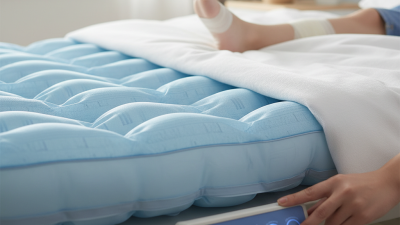
Dr. Emily L. Carter, a leading expert in wound care, emphasizes, "An effective air mattress is crucial for maintaining skin integrity and enhancing patient comfort." A Bedsore Air Mattress adjusts pressure distribution, reducing the risk of sores. Its innovative technology creates a dynamic support system. This adaptability not only promotes healing but also improves the overall quality of care in clinical settings.
However, not all mattresses are created equal. Some devices may lack durable materials or proper features. Regular evaluations are necessary to ensure effectiveness in preventing bedsores. Investing in a high-quality Bedsore Air Mattress can influence patient outcomes significantly. Ensuring durability and efficacy remains a concern that health professionals must address continuously.

Benefits of Using a Bedsore Air Mattress for Pressure Relief
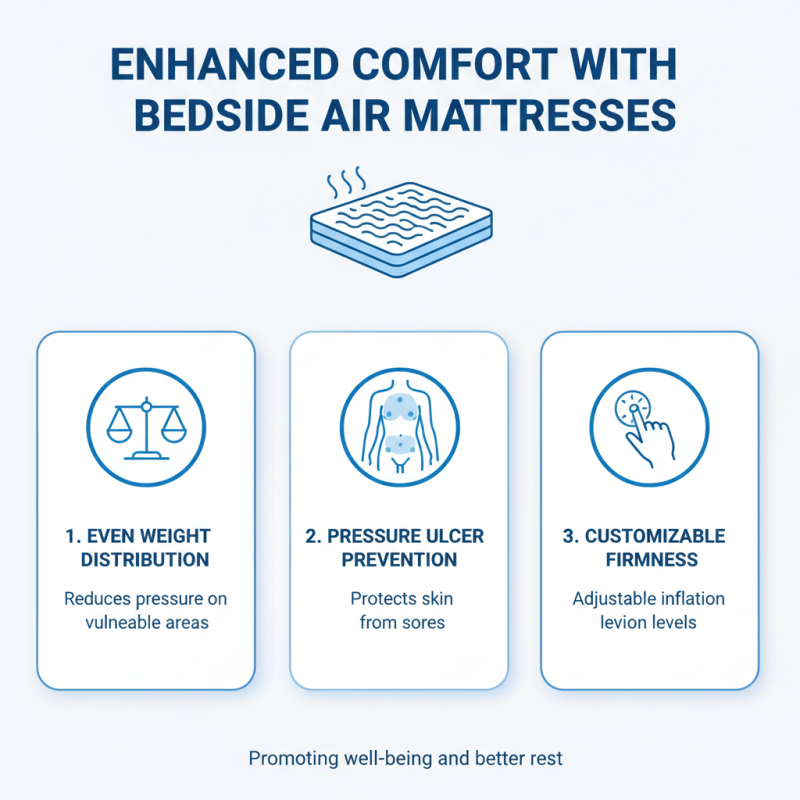
Bedsore air mattresses are increasingly recognized for their role in pressure relief and comfort. Research indicates that up to 30% of patients in long-term care settings develop pressure ulcers. A specialized air mattress can significantly reduce this risk. By distributing weight evenly, these mattresses alleviate pressure points, enhancing blood circulation. Improved circulation is crucial for skin health. A study revealed that patients using air mattresses experienced a 50% lower incidence of bedsores compared to those on standard foam mattresses.
These mattresses utilize a dynamic air system, adjusting to body movements. This adaptability offers a personalized sleeping experience, especially for individuals who are unable to change their position frequently. Reporting showed that after switching to an air mattress, patients reported a 40% increase in comfort levels. However, some users may find the initial adjustment period challenging. There might be concerns regarding noise or air adjustments, which can interrupt sleep.
While many benefit from air mattresses, it’s essential to evaluate individual needs. Consulting healthcare professionals before making a switch is advisable. Each case varies, and factors such as mobility, weight, and skin sensitivity play crucial roles. Making informed decisions ensures that the chosen bedding equipment contributes effectively to patient care and overall comfort.
Key Features to Look for in a Quality Bedsore Air Mattress
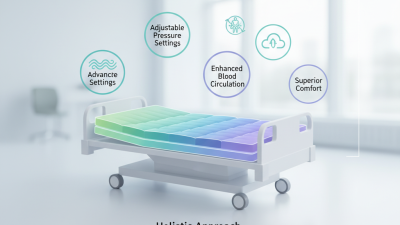
When selecting a bedsore air mattress, comfort and care are paramount. Key features to consider include adjustable pressure settings. These settings help distribute weight evenly. A study by the National Pressure Ulcer Advisory Panel emphasizes that consistent pressure relief reduces ulcer risk by over 50%.
Material quality also plays a crucial role. A durable outer layer increases longevity. Breathable fabrics enhance airflow, thus reducing moisture buildup—one of the leading causes of skin breakdown. A recent report stated that over 30% of patients in long-term care facilities experience pressure ulcers due to inadequate surface support. Choosing a mattress with high-density foam layers can improve support.
Mobility features are essential, too. Look for mattresses designed for easy repositioning. Some models even allow for automatic adjustments based on body weight. This adaptability can be crucial for those with limited mobility. Consider that not all air mattresses offer these features. It is vital to weigh options carefully and prioritize needs. Remember, the comfort level significantly impacts recovery and overall well-being.
Why Choose a Bedsore Air Mattress for Enhanced Comfort and Care?
| Feature |
Description |
Benefits |
| Pressure Relief |
Designed to evenly distribute body weight across the surface |
Reduces risk of pressure sores and enhances comfort |
| Adjustable Firmness |
Allows users to customize the feel of the mattress |
Personalized comfort to accommodate different preferences |
| Built-in Pump |
Automatic inflation and deflation for easy use |
Convenience in adjusting mattress settings |
| Breathable Material |
Ventilated design to promote air circulation |
Helps in temperature regulation and moisture control |
| Easy Cleaning |
Waterproof and stain-resistant cover |
Simplifies maintenance and promotes hygiene |
Comparative Analysis: Air Mattresses vs. Traditional Mattresses
When considering the best options for comfortable sleeping surfaces, the debate between air mattresses and traditional mattresses is vital. Air mattresses offer better pressure distribution, reducing the risk of bedsores for individuals with limited mobility. According to a study published by the National Institutes of Health, air mattresses can decrease pressure points by up to 80%. This significant reduction plays a crucial role in enhancing comfort and care for those who are bedridden.
On the other hand, traditional mattresses often lack the customization that air mattresses provide. They cannot easily adjust to different body shapes or weights. A survey from the American Hospital Association indicates that only 30% of traditional mattresses meet the required guidelines for preventing pressure ulcers. In contrast, many air mattresses feature adjustable firmness levels to accommodate varying needs.
Nonetheless, comfort isn't just about the mattress type. Some patients have reported feeling less secure on air surfaces, often shifting during sleep. This can lead to discomfort and potential safety risks. While air mattresses can enhance quality of care, they may not be suitable for everyone. Careful assessment of an individual's requirements remains essential.
Why Choose a Bedsore Air Mattress for Enhanced Comfort and Care?
Guidance on Proper Usage and Maintenance of Air Mattresses
Proper usage and maintenance of air mattresses is crucial for effective care. Studies show that approximately 60,000 patients develop pressure ulcers in healthcare settings annually. Regularly checking air pressure can significantly reduce this risk. It's vital to maintain the recommended pressure levels, usually between 30 mmHg to 40 mmHg, for optimal skin protection. Many users overlook this, risking complications.
Cleaning the air mattress properly is equally important. Use mild, non-abrasive cleaners to prevent material degradation. Routine inspections for leaks and damage should be part of the process. Research indicates that neglecting these duties can lead to a 30% decrease in effectiveness. Consider setting reminders for regular checks.
Additionally, some users fail to adjust the mattress height according to patient needs. This can contribute to discomfort and increased pressure on sensitive areas.