Why Choose a Portable Suction Device for Your Needs?
In today's healthcare landscape, a Portable Suction Device plays a vital role in patient care. Whether in an emergency situation or a routine medical setting, having a reliable suction device is essential. It offers freedom and mobility, allowing healthcare professionals to assist patients wherever they are.
Portable suction devices are designed with user-friendliness in mind. Lightweight and compact, they can easily fit into bags or medical kits. This design encourages prompt action during critical moments, which can make a difference in patient outcomes. Their versatility extends beyond hospitals; they are invaluable in home healthcare settings, especially for patients with respiratory conditions.
However, not all portable suction devices are created equal. Selecting the right model requires consideration of suction power, battery life, and ease of maintenance. It's important to evaluate various options to find the best fit for individual needs. Investing in high-quality devices enhances reliability, ultimately improving patient care. But the constant evolution of technology means there's always more to learn. This dynamic environment demands ongoing awareness of new advancements and best practices in portable suction device use.
Understanding the Functionality of Portable Suction Devices
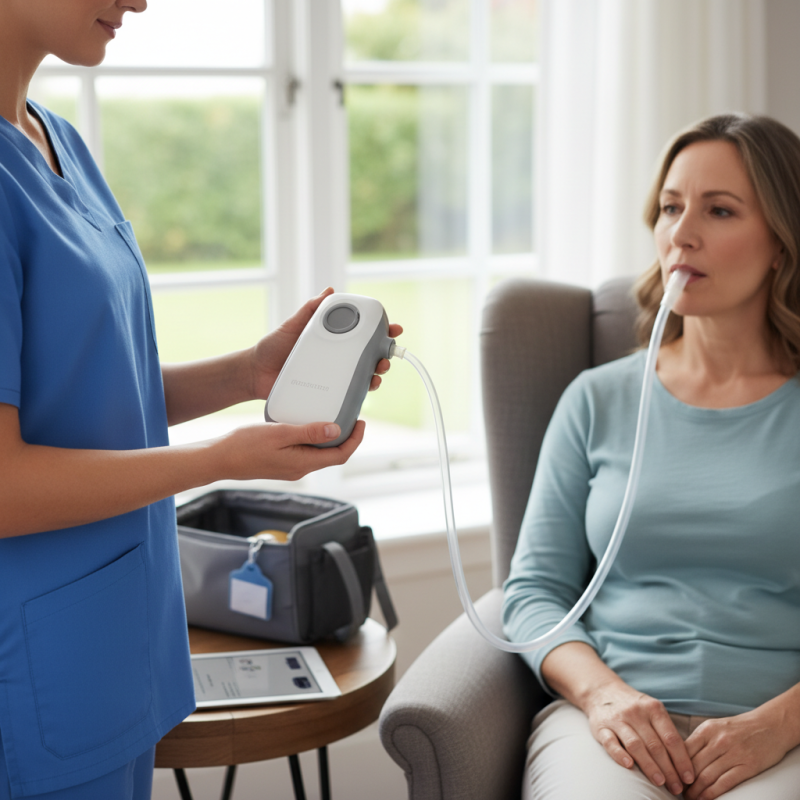
Portable suction devices play a vital role in medical emergencies. They provide immediate assistance during critical situations. Understanding how these devices function can help users make informed decisions. Portable suction devices create a vacuum to remove fluids and debris from a patient's airway. This ensures clear breathing passages, which is crucial for patient survival. Reports from the National Library of Medicine highlight that timely airway clearance increases survival rates in emergencies by up to 20%.
These devices are designed for ease of use and mobility. Many models are lightweight and battery-operated, allowing quick access in various settings. In rural areas or home care, having a portable suction device can be a game changer. Studies indicate that home care patients benefit from these devices, improving overall health outcomes. Users should be aware that regular maintenance is essential to ensure reliability.
Tips: Always check battery levels before use. Familiarize yourself with the device controls. Practice using it during training sessions. Understanding its functionality deeply improves confidence during emergencies. Experts recommend reviewing the user manual regularly to remain updated on best practices. Reflect on your experiences with device management as it can highlight areas for improvement in emergency readiness.
Key Benefits of Using Portable Suction Devices in Healthcare
Portable suction devices are increasingly vital in healthcare settings. Their compact design offers flexibility and efficiency. In emergency situations, every second counts. A study by the National Institute of Health highlights that timely suctioning can reduce the risk of aspiration pneumonia by 47%.
Healthcare professionals recognize the importance of these devices. They enable quick response in various scenarios. For instance, during surgeries, they manage secretions effectively. This minimizes complications. Moreover, their lightweight nature allows for easy transport between wards. They enhance mobility, ensuring care doesn’t stop.
Yet, challenges exist. Some devices may lack sufficient power for heavy-duty suctioning. This limitation raises concerns in critical situations. A report from the World Health Organization emphasizes the need for reliability in medical devices. Continuous training and evaluation are essential to ensure that healthcare staff utilize these tools effectively. The evolving landscape of portable suction devices offers promise, but practitioners must remain vigilant in their application.
Common Applications of Portable Suction Devices in Various Settings
Portable suction devices are essential tools in many healthcare settings. They serve various applications that highlight their versatility and effectiveness. For instance, in emergency medical services, these devices can quickly clear airways, enhancing patient outcomes. According to a report by the National EMS Information System (NEMSIS), timely airway management can increase survival rates by up to 20% in critical situations.
In hospitals, portable suction devices are widely used in operating rooms. The availability of suction during surgeries minimizes contamination and ensures a clear view for surgeons. The World Health Organization (WHO) reported that effective suctioning reduces surgical complications and improves recovery time. Notably, the use of these devices in pediatric care is crucial. Children often require specialized suctioning techniques, and portable options allow quick access for medical staff.
Additionally, home healthcare settings benefit significantly from portable suction devices. Patients with conditions like COPD need regular suction support. A report from the American Thoracic Society indicates that maintaining clear airways in these patients can prevent hospital readmissions. However, challenges remain in ensuring caregivers are trained properly in their use. Proper training is essential to avoid mishaps and ensure effective patient care.
Factors to Consider When Choosing a Portable Suction Device
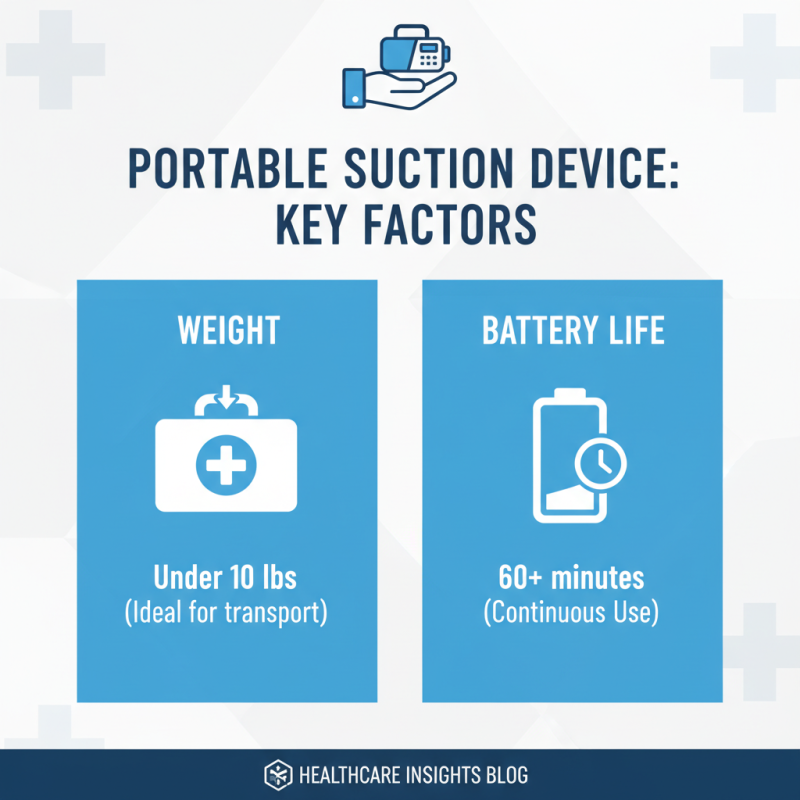
When selecting a portable suction device, several key factors must be considered. Weight is crucial; a lightweight device is essential for ease of transport. According to industry standards, a device that weighs less than 10 pounds is ideal for healthcare professionals on the move. Additionally, battery life can significantly impact usability. A reliable suction device should have a battery that lasts at least 60 minutes during continuous use. This ensures that patients receive adequate care without interruptions.
The suction power is another vital factor. Devices need to provide sufficient suction strength to handle various medical scenarios effectively. A suction device with adjustable settings allows healthcare providers to cater to different patient needs. The FDA suggests a minimum negative pressure of 80 mmHg for effective performance in medical applications. Portability must not compromise effectiveness; thus, devices should meet professional standards while being compact.
Furthermore, ease of maintenance cannot be overlooked. Regular cleaning and part replacement are essential for device longevity. However, many users may find maintenance challenging. Educational resources on proper care are often lacking, leading to potential user frustration. Investing time in understanding device maintenance will enhance reliability in critical situations, ultimately improving patient outcomes.
Maintenance and Care Tips for Portable Suction Devices
Portable suction devices provide essential support in various medical situations. Maintaining these devices is key to their effectiveness and longevity. Regular inspections should be part of your routine. Check for any signs of wear or damage. Ensure all components function smoothly before each use.
Cleaning is equally crucial. Rinse the suction canister after each use. Disinfect the tubing and attachments regularly to prevent contamination. Pay attention to the manufacturer’s guidelines for specific sanitization methods. Neglecting cleanliness can lead to ineffective suction and health risks.
Battery care deserves focus too. Avoid overcharging the device to extend battery life. Store it in a cool, dry place when not in use. Monitor battery performance consistently. These practices may seem minor, but each detail plays a significant role in the device's reliability. A small oversight can affect your confidence in crucial moments.
Comparison of Maintenance Requirements for Portable Suction Devices