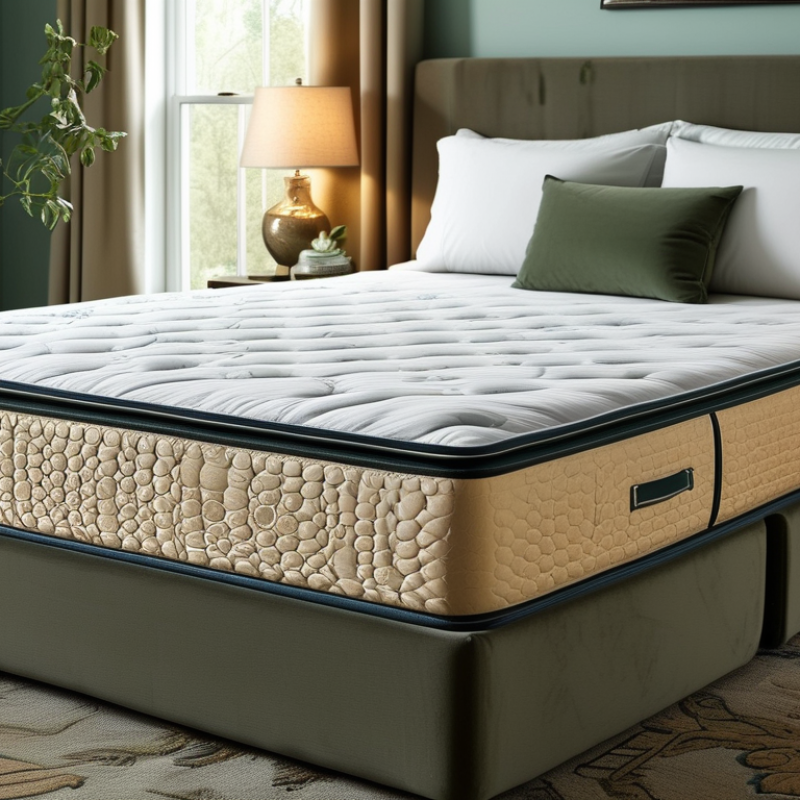
How to Choose the Best Anti Decubitus Mattress for Comfort?
Choosing the best Anti Decubitus mattress is a crucial decision for comfort and health. Dr. Emily R. Sanders, an expert in pressure ulcer prevention, explains, "A quality Anti Decubitus mattress can significantly improve a patient's quality of life." This insight emphasizes the importance of selecting the right product.
Anti Decubitus mattresses help distribute weight evenly. They play a vital role in preventing pressure sores for those who are bedridden. Many options exist, with varying materials and technologies. Understanding these differences is essential. However, not all mattresses are suitable for every individual.
Patients’ specific needs must be considered, from body weight to skin sensitivity. Some mattresses may be too soft or firm for certain users. Choosing the wrong mattress could lead to discomfort or further health issues. Thus, careful evaluation and expert advice are essential.
Understanding Decubitus Ulcers and Their Prevention
Decubitus ulcers, also known as pressure sores, are a significant healthcare concern. Over 2.5 million patients in the U.S. develop these ulcers annually. They typically occur when a person is immobile for extended periods. The pressure on specific body parts restricts blood flow, leading to skin breakdown. Increasing awareness and understanding of ulcer prevention can aid healthcare providers and families.
To prevent these ulcers, choosing the right anti-decubitus mattress is essential. The mattress should redistribute pressure evenly to reduce the risk of skin damage. Research shows that high-quality foam mattresses can decrease ulcer rates significantly compared to standard mattresses. Look for products designed with various firmness levels to meet individual needs.
Tips: Regularly change the patient's position every two hours. Promote skin hygiene and hydration. Consider using cushion pads to alleviate pressure points. Educating caregivers about patient care techniques can have a profound impact. Remember that not all mattresses suit every individual; personal comfort should always be a priority.
How to Choose the Best Anti Decubitus Mattress for Comfort? - Understanding Decubitus Ulcers and Their Prevention
| Mattress Type |
Material |
Pressure Relief Level |
Durability |
Price Range |
| Foam Mattress |
Memory Foam |
High |
5-10 years |
$200 - $600 |
| Gel Mattress |
Gel-infused Foam |
Very High |
6-12 years |
$300 - $800 |
| Air Mattress |
Air Chambers with Foam |
Variable |
3-8 years |
$400 - $1000 |
| Hybrid Mattress |
Foam and Coils |
High |
5-10 years |
$500 - $1200 |
Key Features to Look for in an Anti Decubitus Mattress
When selecting an anti decubitus mattress, focus on key features that enhance comfort and support. One important aspect is firmness. A mattress that is too soft can cause sinking, while a firm mattress may not provide adequate pressure relief. Look for options that maintain a balance, offering both support and comfort. Temperature regulation is also crucial. A mattress that stays cool can enhance sleep quality, especially for those spending extended hours in bed.
Material choices can significantly affect performance. Memory foam is known for its pressure-relief properties. However, it may trap heat if not well-ventilated. Gel-infused foams or hybrid designs can offer the desired comfort level without overheating. Don’t dismiss the importance of breathability in the mattress cover. A removable and washable cover can contribute to hygiene, ensuring a healthier sleep environment.
Tips for choosing the right mattress include testing it if possible. Spending a few minutes lying on a potential mattress can reveal much about comfort. Consider your sleeping position as well; side sleepers may need more cushioning for pressure points, while back sleepers may necessitate more support. Lastly, don’t hesitate to ask for expert opinions from healthcare professionals. Their insights can be invaluable in making the best choice.
Comparing Different Types of Anti Decubitus Mattresses
When selecting an anti decubitus mattress, it’s essential to compare the various types available. Foam, air, and gel mattresses each have unique benefits. Foam mattresses provide excellent support and contour to the body, reducing pressure points. They are often budget-friendly and available in different densities.
Air mattresses, on the other hand, feature adjustable pressure settings. Users can regulate firmness, ensuring optimal comfort. These mattresses can also prevent bedsores by redistributing weight as the air chambers inflate and deflate. Gel mattresses offer cooling properties, making them ideal for those who struggle with heat retention at night. They combine pressure relief with a cool sleeping surface.
Tip: Always consider your specific needs. If you have mobility issues, the adjustable air mattress might be best. If you prefer a softer, enveloping feel, opt for a foam mattress. Furthermore, look for mattresses with removable and washable covers for easier maintenance.
Comfort is subjective and varies from person to person. Testing different types in-store can reveal what feels right. A short trial at home allows you to assess the mattress over several nights. Remember to trust your body and adjust your choice as necessary.
Evaluating Comfort and Support in Mattress Selection
Selecting an anti-decubitus mattress involves evaluating its comfort and support. A mattress that balances these elements can significantly enhance overall well-being. Many individuals find that pressure-relieving materials, such as memory foam, play a crucial role in comfort.
However, one must also consider how well these materials support the body’s natural alignment.
Tips: When testing a mattress, check its responsiveness. It should conform to your body without feeling overly soft. Lay down in your usual sleeping position and assess if you feel supported yet cradled. A mattress that sinks too much can lead to discomfort over time.
Another aspect to consider is the temperature regulation of the mattress. Some users report overheating on certain types of memory foam. This might cause sleep disturbances. Look for mattresses that mention
breathable materials or cooling features. Ultimately, even if a mattress looks perfect, individual preferences can vary quite a bit.
Tips: Ask yourself how it feels after lying on it for a while. Sometimes, the initial impression may not reflect long-term comfort. Pay attention to any pressure points that arise during your test. Finding the perfect anti-decubitus mattress requires a blend of comfort, support, and personal preference.
Tips for Maintaining and Caring for Your Mattress
Maintaining your anti-decubitus mattress is crucial for comfort and longevity. To start, regularly inspect the mattress for signs of wear. Small tears or punctures can worsen over time. If you notice any damage, address it promptly to avoid further issues.
Cleaning is another important aspect of care. Use a mild soap solution to wipe down the surface. Avoid harsh chemicals that may degrade the materials. Allow the mattress to dry completely before putting it back in use. This ensures you prevent mildew growth, which can impact comfort.
Regularly rotate the mattress to promote even wear. Depending on usage, try to rotate it every few months. This simple tip can help maintain its supportive properties. Remember, a well-cared-for mattress not only provides better comfort but also extends its lifespan significantly. Neglecting maintenance can lead to discomfort and a need for replacement sooner than expected.