How to Choose the Best Anti Decubitus Mattress for Comfort?
Choosing the right Anti-Decubitus Mattress is crucial for comfort and prevention of pressure sores. Statistics show that around 2.5 million patients in the U.S. develop pressure ulcers each year. The right mattress can significantly reduce these numbers. However, many people struggle to find the best option.
Comfort is subjective. What works for one person may not work for another. The pressure relief offered by an Anti-Decubitus Mattress varies widely. Materials such as memory foam, gel, and air-filled options all have their unique benefits. A mattress that adapts to body shape can offer superior support.
It's vital to consider mobility too. Patients who change positions frequently may need a different solution than those who require constant support. Research indicates that an effective mattress can lead to quicker healing and improved quality of life. Yet, many overlook this important choice. Reflecting on personal needs is essential; comfort should never be compromised.
Understanding Pressure Ulcers: Why Choosing the Right Mattress Matters
Pressure ulcers, also known as bedsores, can occur when skin and underlying tissues break down due to prolonged pressure. They often develop on bony areas like the heels, elbows, and tailbone. Research shows that up to 30% of patients in long-term care settings may develop pressure ulcers. Selecting the right mattress can play a crucial role in preventing these injuries.
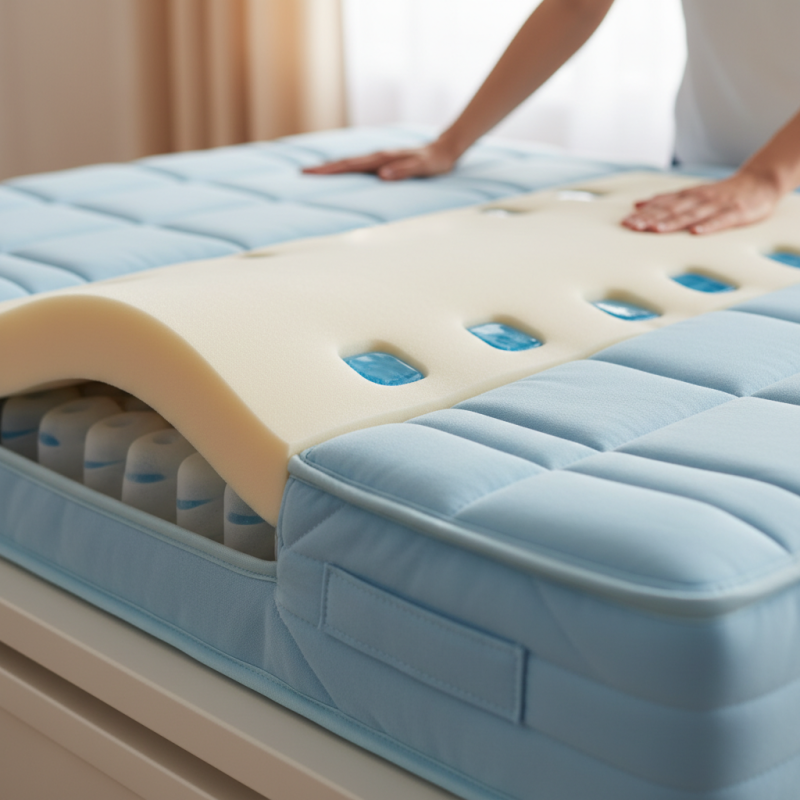
A quality anti-decubitus mattress redistributes body weight, reducing pressure on vulnerable areas. These mattresses often include foam or air-filled designs that adapt to body contours. A 2020 report from the National Pressure Injury Advisory Panel noted that utilizing specialized mattresses can decrease ulcer incidence by up to 60%. This statistic highlights the importance of making an informed choice.
**Tips**: Consider your unique needs. Assess the level of mobility and skin condition before selecting a mattress. Additionally, remember that comfort is subjective; what works for one might not work for another. Regularly review the condition of the mattress and replace it if it shows signs of wear or loss of support. Regularly repositioning the user can also greatly complement mattress choice, enhancing comfort and minimizing ulcer risk.
Pressure Ulcer Risk Factors
This bar chart illustrates the risk levels associated with various factors contributing to pressure ulcers, emphasizing the importance of choosing the right mattress for comfort and prevention.
Types of Anti-Decubitus Mattresses: An Overview of Options Available
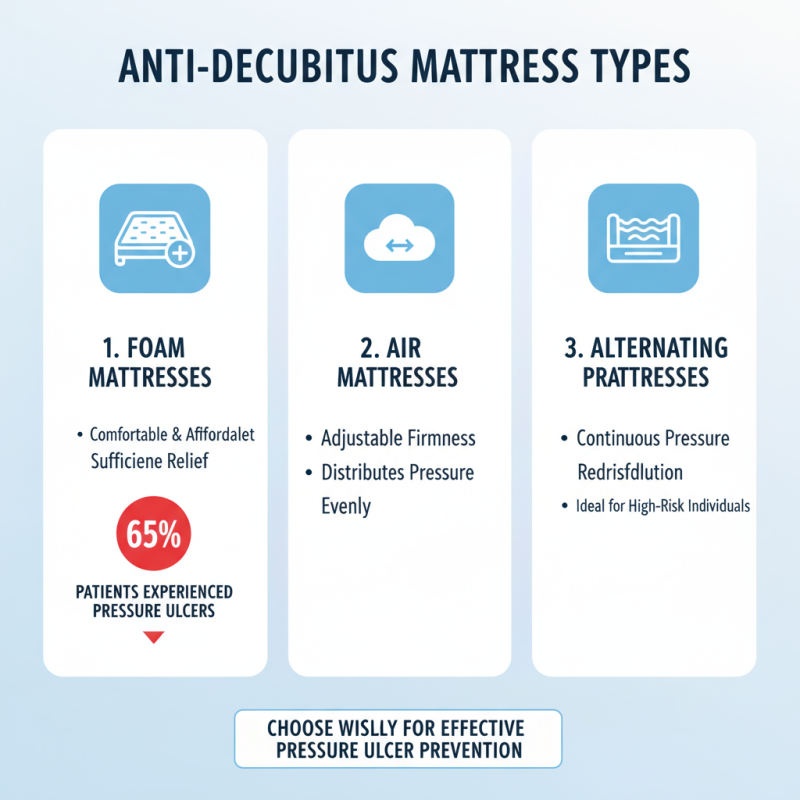
When selecting an anti-decubitus mattress, understanding the types available is crucial. There are three main categories: foam, air, and alternating pressure mattresses. Foam mattresses are popular for their comfort and affordability. However, they may not always provide adequate pressure relief for individuals with high risk. A recent study highlighted that 65% of patients using foam mattresses still experienced pressure ulcers.
Air mattresses offer adjustable support. This means they can conform to the user's body shape. Studies indicate that these mattresses can reduce the incidence of pressure sores by nearly 50%. However, some users find the noise from air pumps disruptive, which can be a concern during sleep.
Alternating pressure mattresses actively redistribute weight. They inflate and deflate sections of the mattress to relieve pressure. Research shows that individuals using this type of mattress report lower pain levels. Still, the complexity of setup can be a drawback for some users. Not all caregivers are trained to operate them efficiently, leading to potential user errors. Choosing the right mattress requires a balance between comfort, ease of use, and effectiveness in preventing pressure injuries.
Key Features to Look for in Anti-Decubitus Mattresses for Comfort
Choosing the right anti-decubitus mattress is crucial for comfort and support. When evaluating your options, focus on key features that enhance relaxation. Look for a mattress with excellent pressure relief. This ensures that body weight is evenly distributed. Mattresses with multi-layer designs often provide better contouring. The right layers can reduce pressure points effectively.
Another important feature is breathability. A mattress made from breathable materials helps regulate temperature. This aids in keeping you cool. Moisture-wicking properties are also essential. They keep the surface dry and comfortable for longer durations.
Consider the weight capacity of the mattress too. Some mattresses may not support heavier individuals adequately. A mattress might feel great initially but fail in the long run. Thickness is another factor to keep in mind. A thicker mattress often provides more support but can be heavier to manage. Reflect on these aspects to ensure your choice aligns with your comfort needs.
Evaluating Mattress Materials: Gel, Foam, and Air Options Explained
When choosing an anti-decubitus mattress, understanding materials is key. Gel, foam, and air options each offer unique benefits. Gel mattresses, for instance, provide excellent pressure distribution. A study by the Journal of Rehabilitation Research shows they can reduce peak pressure points by up to 30%. This can significantly lower the risk of pressure sores.
Foam mattresses are another popular choice. They are lightweight and contour to the body, which helps alleviate discomfort. According to the International Journal of Nursing Studies, foam can improve blood circulation in patients who are immobile. However, they can retain heat, making them less comfortable in warmer climates.
Air mattresses stand out for their adjustable firmness. Users can control the pressure level, creating a customizable experience. Recent research by the American Journal of Nursing found that adjustable air mattresses can reduce the incidence of skin breakdown by nearly 40%. Yet, they often require more maintenance and are costlier. It's crucial to assess such factors before making a decision.
The Role of Patient Needs in Selecting the Appropriate Mattress Type
Selecting the right anti-decubitus mattress hinges on understanding patient needs. Individual preferences and medical conditions matter significantly. For instance, a report by the National Pressure Ulcer Advisory Panel indicates that up to 60% of residents in long-term care facilities face pressure injuries. These individuals often have varying degrees of mobility and comfort preferences.
Comfort is not one-size-fits-all. Some patients require firmer support, while others prefer softer, cushioned surfaces. It is crucial to evaluate the specific needs of each patient. Conducting assessments on pain levels and mobility can guide the choice of mattress. Pay attention to feedback from the patient. Their comfort should be the primary focus.
Tips: Consider using an adjustable bed base. This can enhance comfort by allowing adjustments to the mattress angle. Also, conduct regular assessments to ensure the mattress continues to meet the patient's needs. Remember, individual preferences may change over time, so stay attentive to feedback and make necessary adjustments.