How to Choose the Best Decubitus Mattress for Pain Relief?
Choosing a suitable Decubitus Mattress is crucial for those facing discomfort from prolonged pressure. Pain relief is not just about plushness; it requires careful selection. A good mattress can alleviate pain, prevent pressure sores, and improve overall well-being.
When exploring options, consider your specific needs. Factors like body weight and existing pain levels significantly influence your choice. Some mattresses are designed for posture support, while others focus on temperature regulation. Quality varies widely, and not all brands deliver on their promises.
It's essential to research and test different models. Don't always trust the high price tags. Sometimes, an affordable mattress may outperform an expensive one. Listen to your body, and seek feedback from trusted sources. Remember, your comfort is unique, and finding the perfect Decubitus Mattress might take time and reflection.
Understanding Decubitus Mattresses and Their Importance for Pain Relief
Decubitus mattresses play a critical role in providing pain relief for individuals with limited mobility. These specialized mattresses are designed to reduce pressure points. A recent report by the National Pressure Injury Advisory Panel states that pressure injuries can affect up to 30% of patients in long-term care. This alarming statistic highlights the need for effective mattress solutions.
The choice of materials in a decubitus mattress can significantly impact comfort levels. Memory foam and gel-infused options often offer better pressure distribution. According to the American Medical Directors Association, using appropriate mattresses can reduce the incidence of pressure injuries by 50% or more. That’s a substantial improvement for patients suffering from pain.
However, not all patients find the same relief. Some users may experience discomfort with certain materials. It is essential to consider individual needs and preferences. While many mattresses claim to be the best, finding the right fit requires careful evaluation. The right decubitus mattress can transform a patient's quality of life, but the journey to find it may involve trial and error.
Key Features to Look for in a Decubitus Mattress
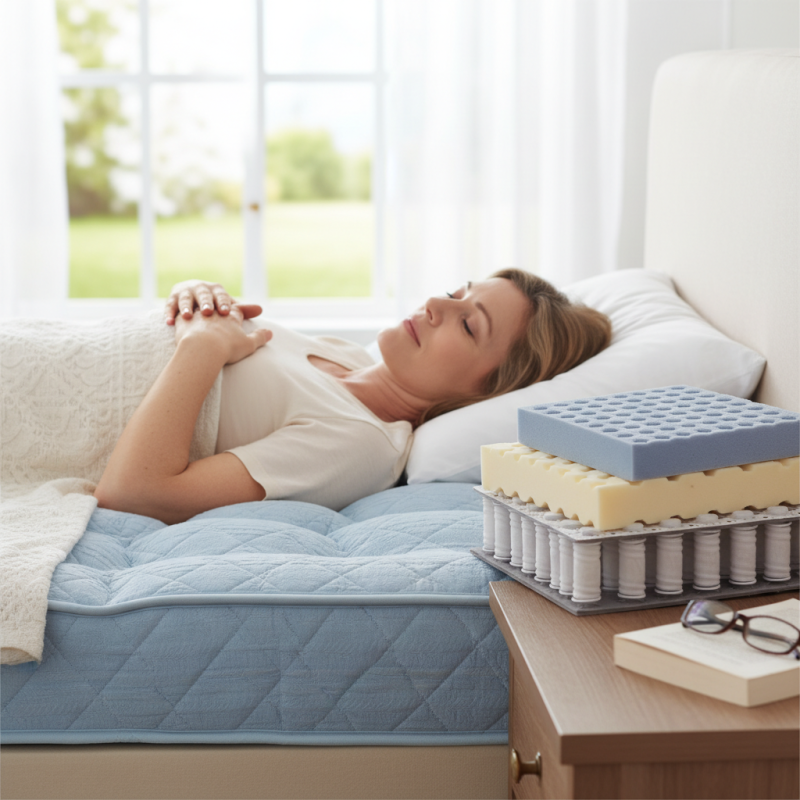
When choosing a decubitus mattress for pain relief, focus on the key features that matter most. A good mattress should provide optimal pressure relief. Look for materials that contour to your body, reducing pressure points. Memory foam or gel-infused products are popular choices. They mold to your shape and offer support.
Another critical element is breathability. A mattress with proper airflow helps regulate temperature. This prevents overheating during the night. Consider features like a washable cover, too. Hygiene is essential for a mattress used frequently, especially for those with limited mobility.
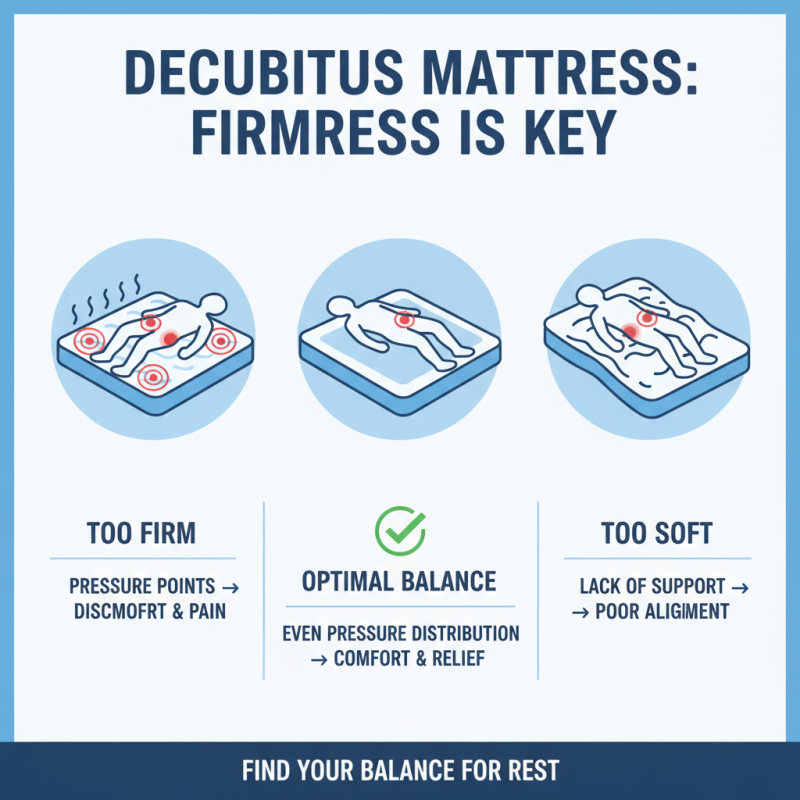
Don’t overlook adjustability. Some mattresses have adjustable firmness levels. This can be beneficial depending on personal preference or changing needs. Relaxing in a bed that aligns with your comfort is vital. It’s worth testing options before making a final decision. Not every choice will suit everyone, and that’s okay. Each individual has unique needs. Finding the right balance takes time and patience.
How to Choose the Best Decubitus Mattress for Pain Relief? - Key Features to Look for in a Decubitus Mattress
| Feature |
Importance |
Recommended Level |
Material Type |
| Pressure Redistribution |
Helps in preventing pressure ulcers |
High |
Memory Foam / Gel |
| Firmness Level |
Supports spine alignment |
Medium to Firm |
Latex / Hybrid |
| Cooling Properties |
Reduces heat buildup |
Medium |
Gel Infused / Breathable Fabrics |
| Ease of Cleaning |
Essential for hygiene |
High |
Removable Cover |
| Weight Capacity |
Ensures safety for users |
Varies |
High Density Foam |
Types of Materials Used in Decubitus Mattresses
When selecting a decubitus mattress, the materials used are crucial. Different materials offer varying levels of support and comfort. For instance, memory foam is popular for its ability to contour to the body. This can help reduce pressure points, but it may retain heat. Some people find this uncomfortable.
Pressure-relieving gel layers are another option. They provide cooling properties while distributing body weight evenly. However, these gels can be dense, making them less suitable for everyone. People who prefer a softer feel might struggle with firmer gel mattresses.
Latex is also a common material. It offers natural elasticity and durability. Latex mattresses generally respond quickly to movement, which some users may find beneficial. On the downside, they can be more expensive and may trigger allergies in sensitive individuals. The right choice hinges on personal comfort and individual needs.
Additional Considerations for Selecting a Decubitus Mattress
When selecting a decubitus mattress, there are several critical factors to consider. The choice of material can significantly affect comfort and pain relief. Foam mattresses often provide good support, while air-filled options can be adjusted for pressure relief. In a study, it was found that patients using specialized mattresses had a 35% lower incidence of pressure ulcers. This data highlights the importance of choosing a mattress that meets specific health needs.
Weight distribution is another vital aspect. The mattress should evenly distribute body weight to prevent pressure points. A mattress that does not accommodate different body shapes may lead to discomfort or increased pain. Research shows that poor weight distribution contributes to sleep disturbances for over 40% of users. It’s crucial to take individual needs seriously and select a mattress with proper support features.
Finally, consider the cover material. A breathable fabric can enhance airflow and keep the surface cool. According to recent findings, moisture-wicking covers reduce the risk of skin irritation by nearly 50%. However, many overlook this detail. Investing time in researching materials may yield significant health benefits. Balancing comfort and functionality is essential in this decision-making process. Choose wisely to ensure restorative rest.
Choosing the Best Decubitus Mattress for Pain Relief