What is a Decubitus Bed and How Does it Work?
Decubitus Beds are specialized devices designed to prevent pressure ulcers in patients with limited mobility. According to the National Pressure Injury Advisory Panel, nearly 2.5 million individuals experience pressure ulcers annually in the U.S. alone. These beds play a crucial role in patient care, especially in hospitals and long-term care facilities.
Dr. Richard P. Kraner, a leading expert in wound care, states, "Proper positioning and support from Decubitus Beds are essential to skin integrity." This highlights the importance of these beds in maintaining patient comfort and reducing healthcare costs associated with ulcer treatment. Despite advancements, many facilities still face challenges in implementing these technologies effectively.
While Decubitus Beds have improved over the years, not all models are alike. Strategy and technology vary greatly. Continuous training for healthcare professionals is necessary for optimal use. Further research is needed to refine these tools and improve patient outcomes. As the demand for better patient care grows, understanding Decubitus Beds will become increasingly important.
What is a Decubitus Bed?
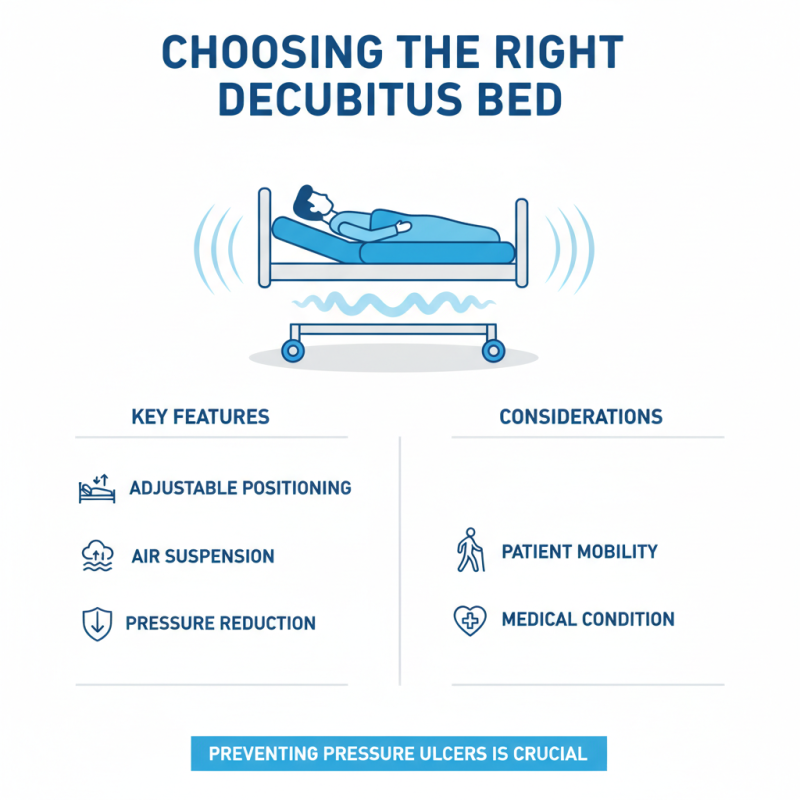
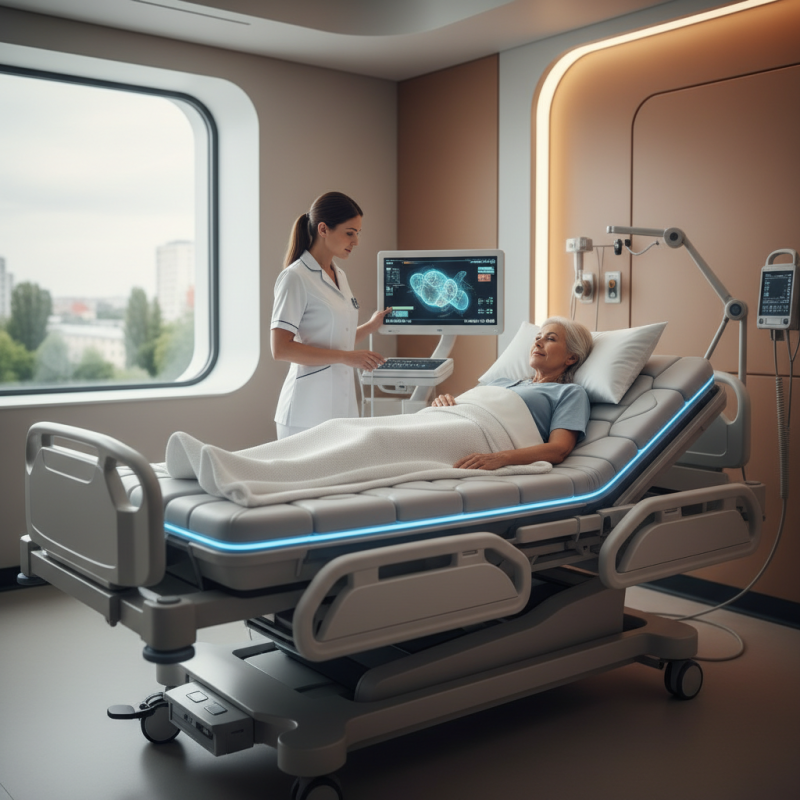
Decubitus beds, also known as pressure relief beds, are designed to prevent pressure sores and enhance comfort for individuals with limited mobility.
Pressure sores, or bedsores, can develop when a person remains in one position for extended periods.
According to the National Pressure Injury Advisory Panel, about 2.5 million individuals in the United States experience pressure injuries annually.
Such injuries can lead to severe health complications, making it essential to use effective preventative measures.
The mechanics of a decubitus bed involve alternating pressure and specialized mattress designs. These beds redistribute body weight, reducing localized pressure points.
A report from the European Pressure Ulcer Advisory Panel reveals that using pressure-relieving devices reduces the incidence of pressure ulcers by up to 50%.
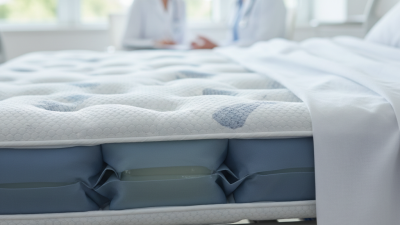
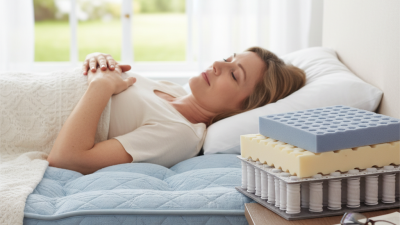
These beds often incorporate air, foam, or gel systems that work by inflating and deflating different sections.
This action promotes blood circulation and supports skin integrity.
Yet, it’s crucial to recognize that while decubitus beds are helpful, they are not foolproof. Regular repositioning and skin assessments remain vital to comprehensive patient care.
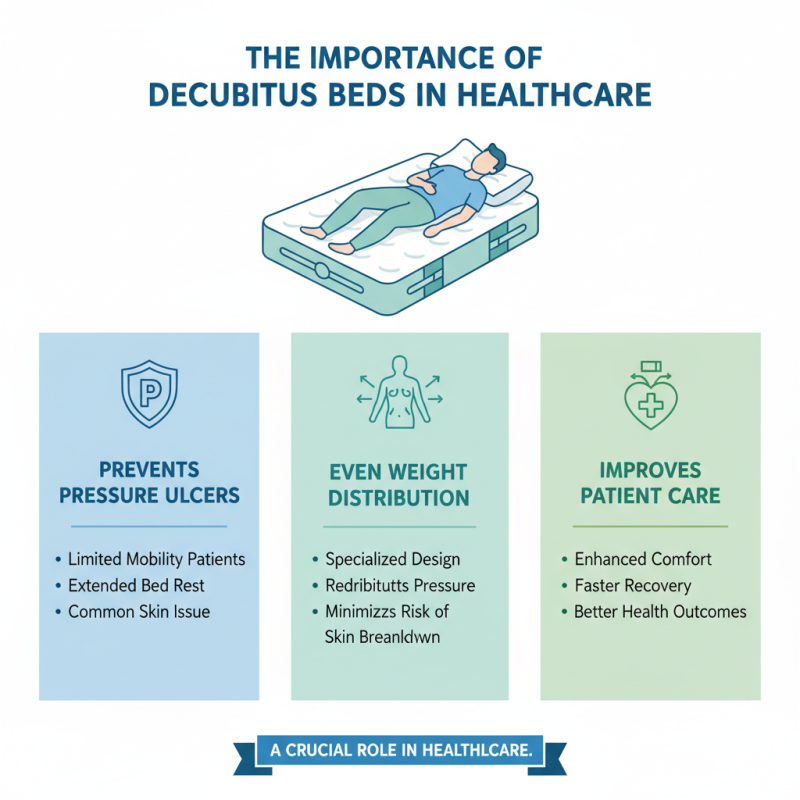
The Importance of Decubitus Beds in Healthcare
Decubitus beds play a crucial role in healthcare, especially for patients with limited mobility. These specialized beds help prevent pressure ulcers, a common issue for those confined to a single position for extended periods. The unique design of these beds ensures even weight distribution. By redistributing pressure, they minimize the risk of skin breakdown.
In addition to comfort, decubitus beds enhance patient care. They allow for easy adjustments in position, aiding in circulation and enhancing respiration. However, not all patients have access to these beds. Healthcare facilities must prioritize this crucial equipment. Training staff on the proper use of decubitus beds is equally important. Without proper knowledge, benefits can be underutilized.
Healthcare providers should constantly evaluate the effectiveness of decubitus beds in their settings. While these beds are essential, recognizing their limitations is vital. Regular assessments ensure that patient safety and comfort are maintained. Missing these evaluations can lead to adverse outcomes. Ultimately, the goal is to improve patient quality of life while minimizing risks.
How Decubitus Beds Alleviate Pressure Sores
Decubitus beds are designed to reduce the risk of pressure sores for individuals who spend extended periods in bed. They achieve this by utilizing specialized pressure-relieving surfaces. These surfaces adjust automatically to distribute body weight more evenly. This movement alleviates pressure on vulnerable areas such as the hips, heels, and back. The design helps improve blood circulation, which is crucial for skin health.
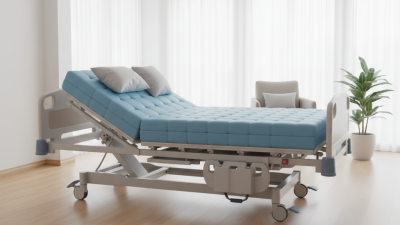
These beds have various settings that allow for personalized adjustments. For example, the head and foot of the bed can rise or lower based on the user's comfort needs. This feature makes it easier for caregivers to perform daily tasks. However, maintaining the right pressure level is essential. Too much pressure can still lead to skin breakdown. Regular inspections of the skin are important to prevent complications.
While decubitus beds offer significant benefits, they are not a complete solution. They can be expensive and may not fit every home environment. Additionally, some users might find them uncomfortable at first. It’s vital for caregivers to educate themselves about proper usage and care. Awareness and vigilance play a key role in preventing pressure sores effectively.
What is a Decubitus Bed and How Does it Work? - How Decubitus Beds Alleviate Pressure Sores
| Feature |
Description |
Benefits |
| Pressure Relief Technology |
Uses alternating air pressure to relieve pressure points. |
Reduces the risk of pressure sores by promoting blood circulation. |
| Adjustable Settings |
Allows users to adjust firmness levels for optimal comfort. |
Enhances user experience and tailor support to individual needs. |
| Moisture Control |
Materials designed to wick away moisture and keep skin dry. |
Helps prevent skin irritation and infections associated with pressure sores. |
| Ease of Use |
User-friendly controls for easy adjustment by caregivers or patients. |
Facilitates quick response to patient comfort needs. |
| Durability |
Constructed with high-quality materials for long-lasting use. |
Cost-effective over time due to reduced need for frequent replacements. |
Key Features and Mechanisms of Decubitus Beds
Decubitus beds, also known as pressure-relieving mattresses, play a crucial role in patient care. These beds are designed to reduce the risk of pressure ulcers, especially for individuals with limited mobility. According to the National Pressure Ulcer Advisory Panel, nearly 2.5 million patients develop pressure ulcers annually in the United States. This underscores the importance of using advanced pressure management solutions.
Key features of decubitus beds include alternating pressure zones and moisture-wicking materials. Alternating pressure technology improves blood circulation by shifting pressure points. This method can reduce ulcer formation significantly. Many studies indicate that proper use of these beds can reduce pressure ulcer incidence by up to 80%. Additionally, the moisture-wicking properties help maintain skin integrity, enhancing overall comfort.
Despite advancements, challenges remain. Not all patients respond equally to decubitus beds. Some individuals may still develop ulcers due to other health factors. A holistic approach to pressure sore prevention is essential. Educating caregivers on proper usage and patient monitoring can further optimize outcomes. Continuous research focuses on enhancing these beds' effectiveness and addressing limitations in the technology.