What is Decubitus Bed and How Does It Work?
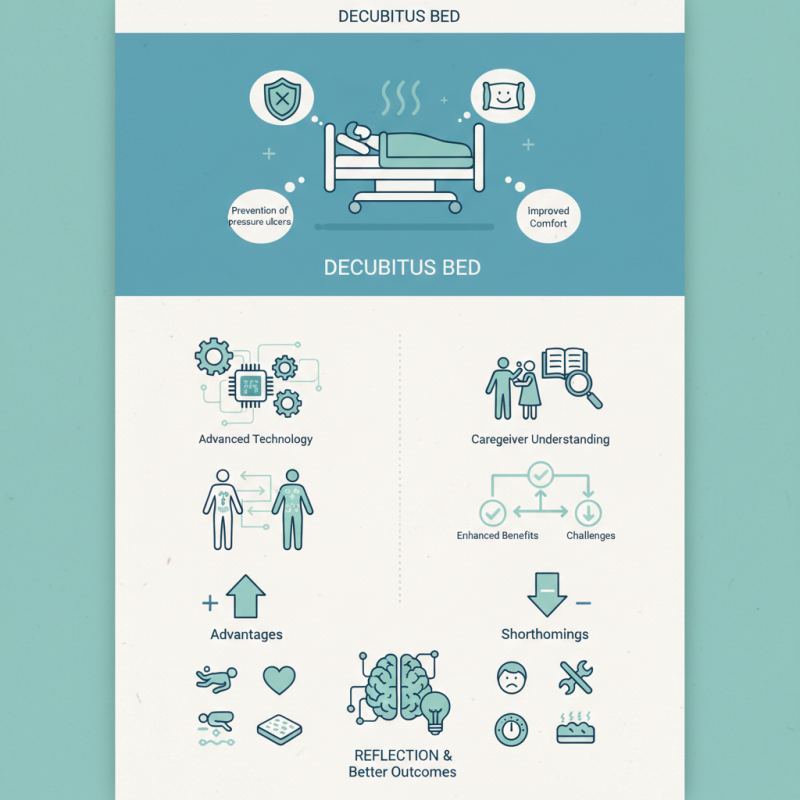
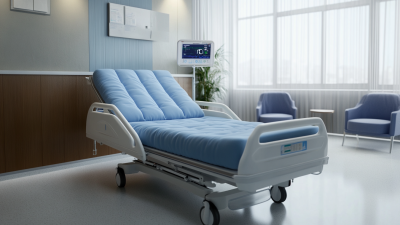
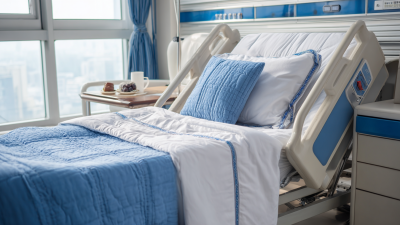
The Decubitus Bed is designed to aid patients who are immobilized. These beds help prevent pressure ulcers and improve comfort. Dr. Emily Sanders, a leading expert in pressure sore management, states, "The right bed can change a patient's recovery trajectory."
Pressure ulcers can develop rapidly in individuals with limited mobility. The Decubitus Bed employs advanced technology to redistribute body weight. This feature helps reduce the risk of sores. It's essential for caregivers to understand the functionality of these beds. Not all beds are created equal, and patient needs vary.
However, not every user finds the Decubitus Bed effective. Some report challenges with adjustments or comfort levels. Improving training for caregivers can enhance the bed's benefits. Reflection on experiences can lead to better outcomes. Understanding both advantages and shortcomings is vital for patient care.
What is a Decubitus Bed?
A decubitus bed, also known as a pressure relief bed, is designed for individuals who are at risk for pressure ulcers. More than 2.5 million patients in the U.S. develop pressure sores each year, according to the Agency for Healthcare Research and Quality. Decubitus beds aim to distribute body weight evenly, reducing pressure on vulnerable areas.
These beds utilize advanced technology, such as air-filled bladders or memory foam. This enables constant adjustments to support body movements. The constant readjustment can enhance comfort for patients who are bedridden. However, not all patients benefit equally. Some may require additional adjustments or complementary treatments.
The effectiveness of decubitus beds varies. A study published in the Journal of Rehabilitation Research indicated that while many patients experience reduced sore development, others still face challenges. Healthcare professionals often stress the need for personalized care plans. Pressure relief alone may not be sufficient. Regular repositioning, skin care, and nutrition play significant roles in preventing bedsores.
Key Features of Decubitus Beds
Decubitus beds are specially designed to prevent pressure ulcers in individuals with limited mobility. Their main feature is the adjustable air pressure system. This system redistributes weight, minimizing pressure points. Users often report feeling more comfortable on these beds. However, not all models function the same way. Some may require frequent adjustments to be effective.
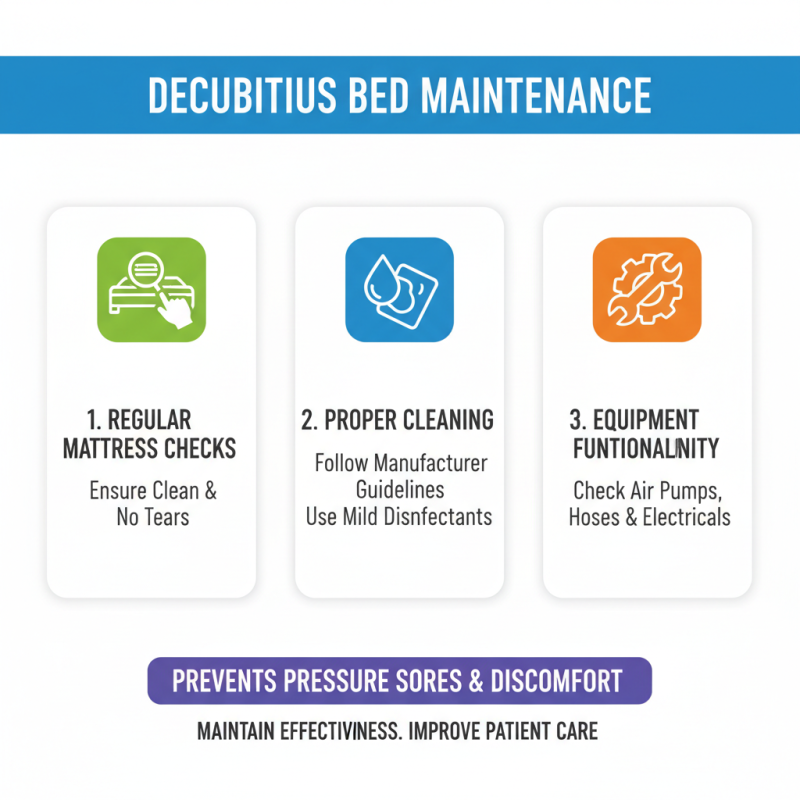
Another key feature is the mattress material. Many decubitus beds use foam or gel that contours to the body. This adds to comfort while also reducing skin friction. Proper cleaning and maintenance are vital for hygiene. Unfortunately, some users forget this step. This could lead to skin irritations despite using an advanced bed.
Additionally, certain decubitus beds have built-in alarms. These notify caregivers when a user attempts to shift position. This feature can help in timely interventions. However, alarms can sometimes be overly sensitive. Frequent alerts might irritate both users and caregivers. It's essential to find a balance for the best care experience.
How Decubitus Beds Work Mechanically
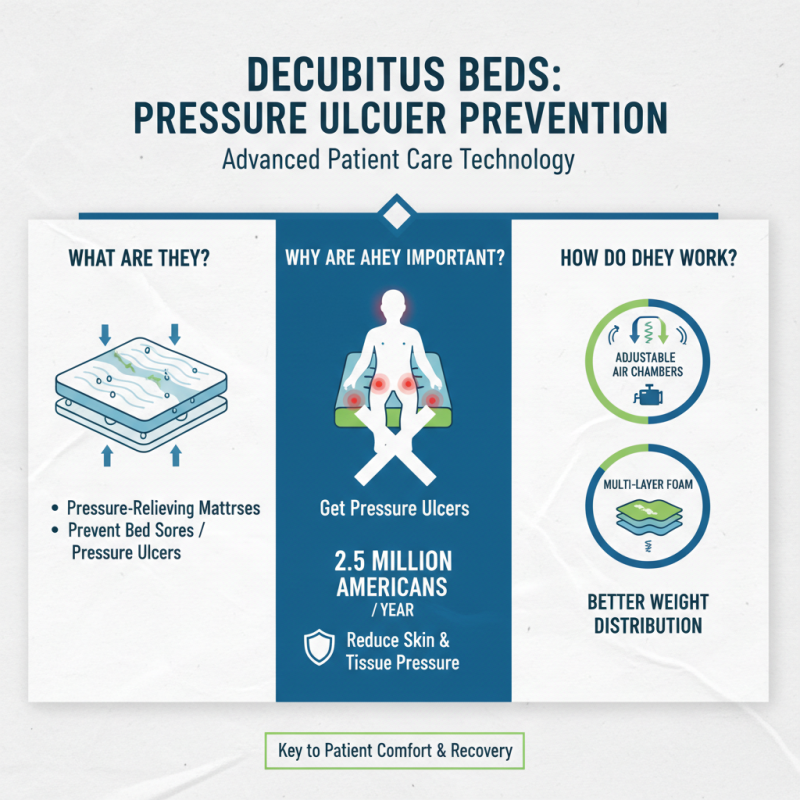
Decubitus beds, also known as pressure-relieving mattresses, play a vital role in patient care. They are designed to reduce pressure on the skin and underlying tissues, preventing bed sores or pressure ulcers. According to a report by the National Pressure Ulcer Advisory Panel, nearly 2.5 million Americans experience pressure ulcers annually. Decubitus beds work mechanically by utilizing adjustable air chambers or foam layers. These features promote better weight distribution and relive pressure on bony prominences.
The mechanical operation involves alternating pressure. As one section of the mattress inflates, another deflates. This cycle aids in blood circulation and keeps skin healthy. Some models offer customizable settings that allow caregivers to adjust firmness based on individual patient needs. Data suggests that using these specialized beds can decrease the incidence of ulcers by over 60%.
Tips: Regularly monitor the patient's skin and adjust the bed settings as needed. Ensure that the patient changes positions frequently to further reduce pressure points. Incorporate hygiene checks into daily routines to maintain skin integrity. While decubitus beds provide significant benefits, they are not a single solution. Regular assessments and a comprehensive care plan are essential for optimal patient outcomes.
Benefits of Using a Decubitus Bed
Decubitus beds, also known as pressure-relief mattresses, provide numerous benefits for patients with limited mobility. These specialized beds help reduce the risk of pressure ulcers, a serious concern in healthcare settings. Studies indicate that pressure ulcers affect about 2.5 million people annually in the U.S. alone. Decubitus beds distribute body weight evenly, minimizing pressure points.
Using these beds can enhance patient comfort significantly. Their design allows for optimal blood flow, which is critical for healing. Reports show that nearly 60% of patients using decubitus beds experience improved skin integrity within weeks. This leads to lower healthcare costs and better overall health outcomes.
Despite the advantages, there are challenges. Some patients may resist using these beds, preferring familiar, traditional surfaces. Additionally, caregivers must be trained properly to adjust these beds effectively. Regular monitoring is essential to ensure that the bed settings meet the patient's evolving needs. Balancing comfort and medical necessity is key for the best results.
Benefits of Using a Decubitus Bed