How to Use a Portable Suction Device Effectively?
In today's healthcare landscape, the Portable Suction Device has emerged as an essential tool. According to industry reports, suction devices play a critical role in emergency care and surgical procedures. They help clear airways, prevent complications, and enhance patient safety. Effective use of these devices can significantly improve patient outcomes.
However, not every medical professional uses Portable Suction Devices optimally. Training is crucial, yet varies widely among practitioners. A recent survey revealed that 40% of healthcare workers felt unprepared to use suction devices during emergencies. This gap in confidence can lead to delays in treatment and negative consequences.
Moreover, maintenance often gets overlooked. A report from a leading health organization highlighted that poorly maintained devices can malfunction when needed most. Users must regularly check for clogs and ensure proper functionality. By addressing these issues, healthcare professionals can harness the full potential of Portable Suction Devices, ultimately leading to better patient care.
Understanding Portable Suction Devices: Purpose and Applications
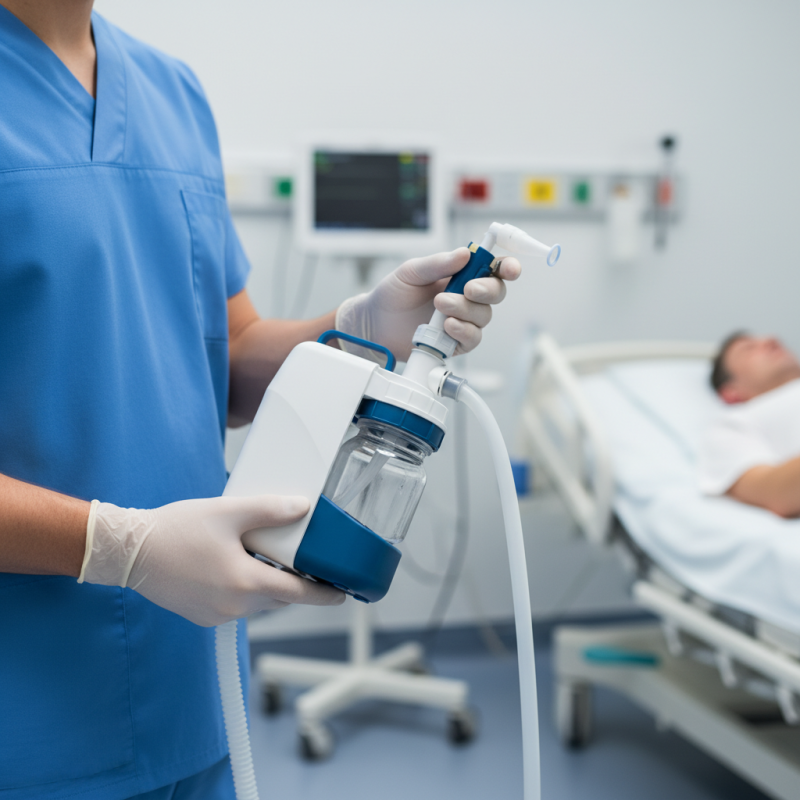
Portable suction devices serve a vital role in healthcare. They are designed to remove fluids, secretions, or foreign materials from a patient's airway or surgical site. According to a market analysis report, the global portable suction device market is expected to grow by 6.4% annually through 2025. This growth is driven by increasing demand for efficient suctioning during emergencies and in home care settings.
These devices find applications across various fields, including emergency medicine and nursing. They are essential for managing conditions like asthma, pneumonia, and during procedures such as intubation. For instance, emergency responders often rely on portable suction devices to clear airways quickly. However, not all devices are equally effective. The efficacy often depends on suction pressure, portability, and battery life. In some cases, users report difficulties with maintenance or achieving consistent suction pressure.
While the potential for portability is significant, operational challenges exist. Some healthcare professionals express concerns about the weight of certain models. Others find battery life insufficient for prolonged usage. Therefore, understanding the nuances of these devices is crucial. Effective training can enhance user confidence and device performance.
How to Use a Portable Suction Device Effectively? - Understanding Portable Suction Devices: Purpose and Applications
| Feature |
Description |
Application |
| Compact Design |
Designed for portability and ease of use in various settings |
Emergency medical services, home care |
| Battery Operated |
Operates on rechargeable batteries, ensuring mobility and use without power outlets |
Field operations, outdoor medical situations |
| Variable Suction Settings |
Allows adjustment of suction strength for different medical needs |
Pediatric to adult patients, varying levels of secretion |
| Easy-to-Clean Components |
Detachable parts for quick cleaning and maintenance |
Infection control in clinics and hospitals |
| Compact Storage |
Designed for efficient storage and transport |
Ambulances, first aid kits |
Key Features of Effective Portable Suction Devices
When selecting a portable suction device, it’s crucial to focus on key features that enhance effectiveness. A high suction power, typically measured in liters per minute (L/min), plays a significant role. Devices with at least 30 L/min are widely recommended for effective use in emergencies. Any lower may not remove obstructive materials efficiently. Compact design is another important aspect. This ensures the device is easy to handle and transport, especially in critical situations.
Battery life cannot be overlooked. Reports show that a durable battery, offering at least 60 minutes of use, is vital. This longevity ensures the device can support multiple uses without frequent recharging. Weight also matters. A device under 5 kilograms is manageable for quick interventions, but some models may exceed this without clear benefits. The overall construction should withstand harsh conditions.
Flexibility is often compromised. Some devices come with a limited range of suction tubes, which can hinder effectiveness in diverse scenarios. Attention to these details can make a significant difference. It’s important to reflect on the strengths and weaknesses of any model.
Key Features Comparison of Effective Portable Suction Devices
Maintenance and Troubleshooting Tips for Portable Suction Devices
Portable suction devices are vital in various medical settings. Proper maintenance is crucial to ensure their effectiveness. Regular cleaning is essential. According to a study by the American Journal of Infection Control, improper maintenance can lead to a 30% increase in infection rates. This statistic highlights the importance of diligent upkeep.
Regularly check the suction canister for cracks or leaks. A small crack can significantly reduce suction efficiency. Replace any worn or damaged parts immediately. Cleaning the tubing and filters weekly can help maintain optimal performance. However, many users overlook these tasks. This neglect can compromise the device's functionality and the patient's safety.
Troubleshooting is another aspect that requires attention. If the device is not producing adequate suction, inspect the power source and ensure it is functioning properly. Sometimes, a simple reset can solve the issue. Remember, even the most reliable devices can malfunction. A proactive approach to maintenance can prevent many problems before they arise. Stay vigilant and regularly assess the device for optimal performance.
Safety Protocols for Using Portable Suction Devices in Clinical Settings
When using portable suction devices in clinical settings, safety is paramount. First, ensure you are trained in the device's operation. Read the manual before use. A good understanding helps prevent accidents. If unsure, seek assistance from a colleague. This approach fosters a culture of safety.
Regularly check the device for damage or malfunction. Look for cracks or leaks in the tubing. If any issues arise, do not use the device. Report problems immediately. Maintenance is crucial. A clean suction device can minimize infection risks. Follow the guidelines for cleaning and disinfecting thoroughly.
Always wear appropriate personal protective equipment.
Gloves and masks are essential to reduce exposure to bodily fluids. Additionally, position the device and patient correctly. This reduces strain and improves efficacy.
Rushing through setups can lead to errors. Take the time needed to ensure everything is right.
Reflecting on practices can improve safety and outcomes. Keeping a checklist might help avoid oversights.