How to Use a Yankauer Suction Device Effectively for Patient Care?
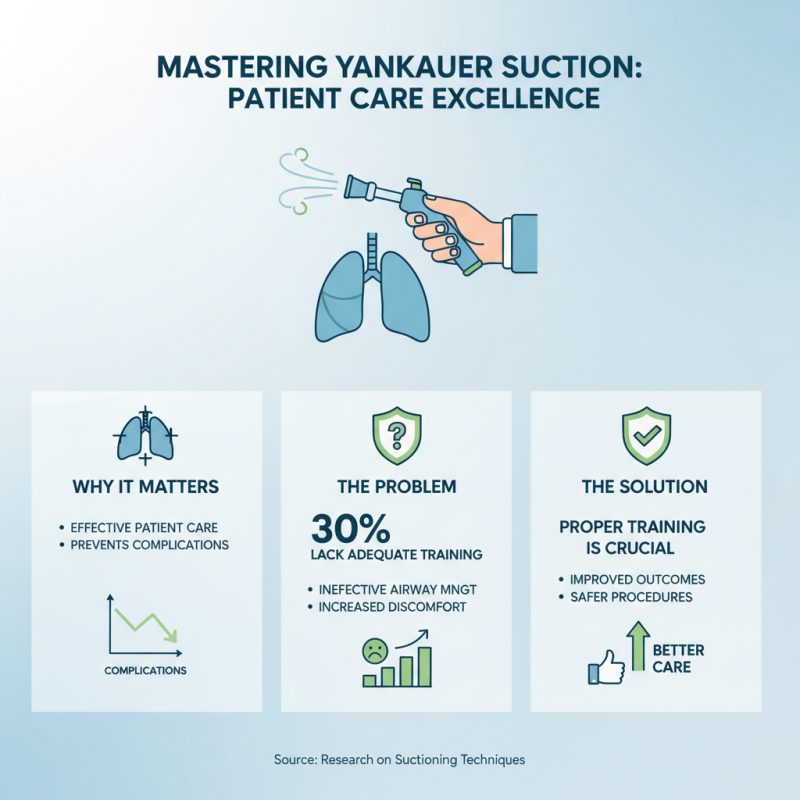
In modern healthcare, the use of the Yankauer Suction Device has become essential for maintaining patient safety and comfort. Dr. Emily Carter, a renowned expert in respiratory care, emphasizes, "Effective suctioning can prevent serious complications." This highlights the device's importance in various medical settings.
The Yankauer Suction Device is designed to clear airway obstructions and remove secretions. It assists healthcare providers in ensuring patients can breathe easily. Yet, despite its effectiveness, improper use remains a concern. Many clinicians might underestimate the importance of technique. Few fully appreciate the device's potential risks.
Ensuring proper suction techniques can mean the difference between patient safety and complications. A common mistake is excessive suction pressure, which can lead to tissue damage. Moreover, neglecting to clean the device properly can introduce infections. Training and awareness are crucial for optimizing the benefits of the Yankauer Suction Device. Healthcare professionals must continuously reflect on their practices to enhance patient outcomes.
Understanding the Yankauer Suction Device: Design and Purpose
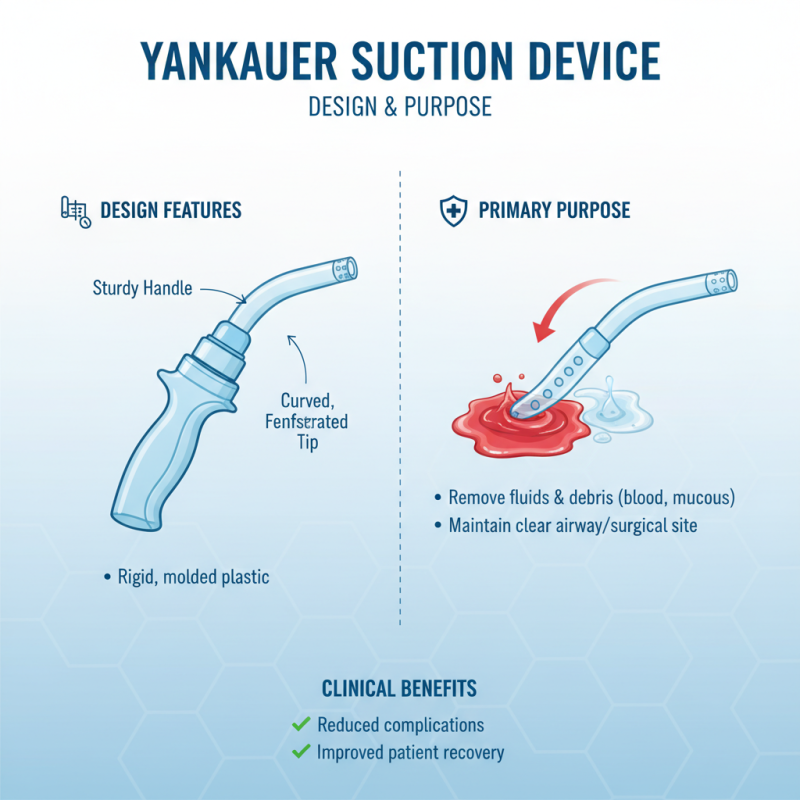
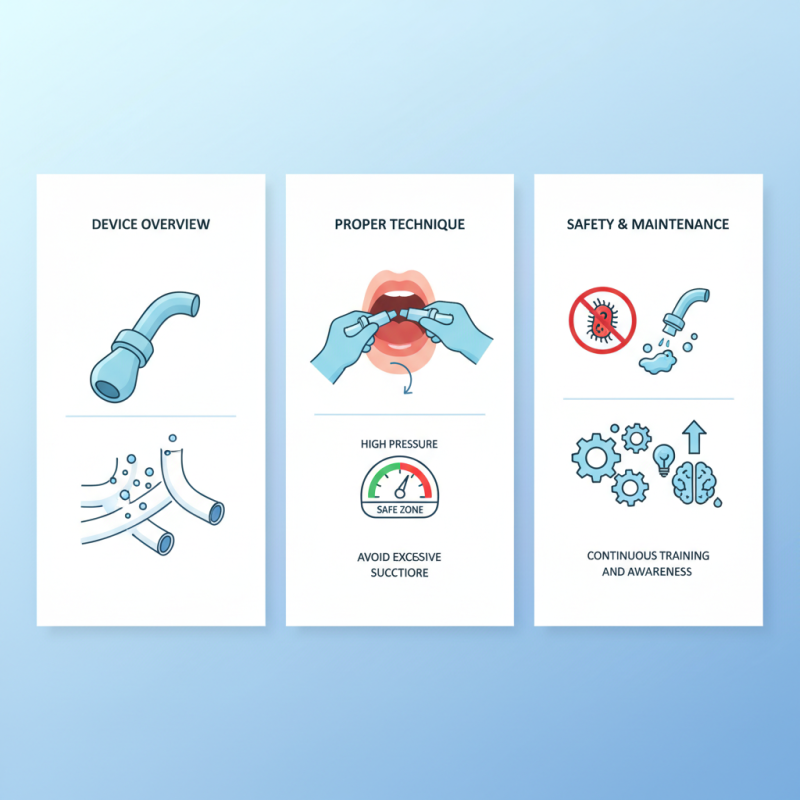
The Yankauer suction device is a crucial tool in medical care. Its design is specifically tailored for suctioning fluids and debris during procedures. This instrument, featuring a sturdy handle and a curved tip, allows for effective removal of blood, mucous, and other foreign materials from a patient’s airway or surgical site. Studies suggest efficient suctioning can decrease complications and improve patient recovery times.
Tips: Ensure that the Yankauer is properly clamped and oriented before use. This enhances suction efficiency and safety. Always verify the suction pressure settings. Adjusting to optimal levels can prevent tissue damage.
While easy to use, the Yankauer device requires training. Medical staff must practice proper techniques to avoid miscommunication and errors during procedures. It’s reported that a significant percentage of healthcare workers feel unprepared handling suction devices. Using simulation training can help build confidence and reduce reliance on emergency protocols that may arise from improper use. Regular evaluations can ensure that staff remain proficient in device handling.
Best Practices for Using Yankauer Suction in Various Clinical Settings
In clinical settings, effective use of the Yankauer suction device is crucial for patient care. This device helps clear airways quickly, especially during emergencies. Research shows that timely suctioning can reduce the risk of aspiration pneumonia by nearly 50%. Proper training ensures efficient use, but many staff still struggle with technique.
Tips for effective suctioning include:
- Always check the device for blockages before use.
- Familiarize yourself with its components, including the tip size that suits your patient.
- In ICU settings, frequent assessments are vital.
Many healthcare providers fail to suction adequately, which can compromise patient safety.
In operating rooms, maintaining sterility is essential. Suctioning under sterile conditions can prevent infections. Staff must be attentive and aware, as distractions can lead to improper suctioning. Regular workshops can enhance skills and boost confidence, yet many facilities overlook ongoing training. It's clear that detailed focus on technique can significantly improve patient outcomes.
Guidelines for Cleaning and Maintaining the Yankauer Suction Device
Cleaning and maintaining a Yankauer suction device is crucial for patient safety. According to industry guidelines, improper cleaning can lead to infections. Studies suggest contaminated suction tools may transfer pathogens, increasing patient risk by up to 30%. Regular cleaning protocols are essential to prevent this.
To clean the Yankauer device, rinse it immediately after use. This step removes visible debris and limits bacterial growth. Use a neutral detergent and warm water. Focus on every crevice. To ensure thorough cleaning, consider soaking it for 10 minutes. Rinse with distilled water to eliminate residues. It's a simple yet often overlooked task that can make a significant difference.
Storage is equally vital. Keep the device in a clean, dry location. Avoid areas where contamination is likely. Regular inspections are also critical. Look for any signs of damage or wear. A damaged device should be replaced. Neglecting these practices can lead to dire consequences. Data shows 15% of healthcare-associated infections relate to improper equipment maintenance. Reflecting on our cleaning habits is essential for improving patient outcomes.
Utilization of Yankauer Suction Device in Patient Care
This bar chart displays the effectiveness of Yankauer suction device usage across different patient care scenarios, measured by the frequency of use and cleaning practices.
Common Complications and Precautions While Using Yankauer Suction
When using a Yankauer suction device, awareness of common complications is essential for patient safety. One frequent issue is improper suction technique. Studies indicate that nearly 15% of healthcare professionals report inadequate training. This can result in trauma to the oropharynx or surrounding tissues. Gentle and accurate positioning of the device is crucial to minimize such injuries.
Another complication arises from excessive suction duration. Research shows that prolonged suctioning can lead to hypoxia and bradycardia in patients. Aiming for a suction duration of no more than 10 seconds is advisable, especially in pediatric cases. The risk of aspiration is also significant; a 2020 report noted that incorrect angle application can lead to aspiration of secretions. Nurses should always monitor the patient closely to address potential complications immediately.
Attention to device cleanliness cannot be overstated. Poor hygiene practices might introduce infections. The Center for Disease Control has flagged improper sterilization as a leading factor in hospital-acquired infections. Therefore, adhering to strict sanitation protocols is vital. Regular training and refresher courses can help staff recognize signs of complications early, ensuring better patient outcomes.