Essential Tips for Choosing the Right Decubitus Bed?
Choosing the right Decubitus Bed can impact comfort and health. These specialized beds are crucial for individuals at risk of pressure sores. Selecting the best option is not always straightforward.
Consider the bed's features carefully. Some beds offer advanced pressure relief systems. Others focus on adjustability and support. It's essential to evaluate your specific needs. Not every bed suits every condition.
Reflect on the size and weight limits. An ill-fitting bed can cause more harm than good. Ask for recommendations from healthcare professionals. They can provide valuable insights. Ultimately, the right Decubitus Bed can enhance the quality of life, but the choice requires thoughtful consideration.
Understanding Decubitus Beds and Their Importance for Patient Care
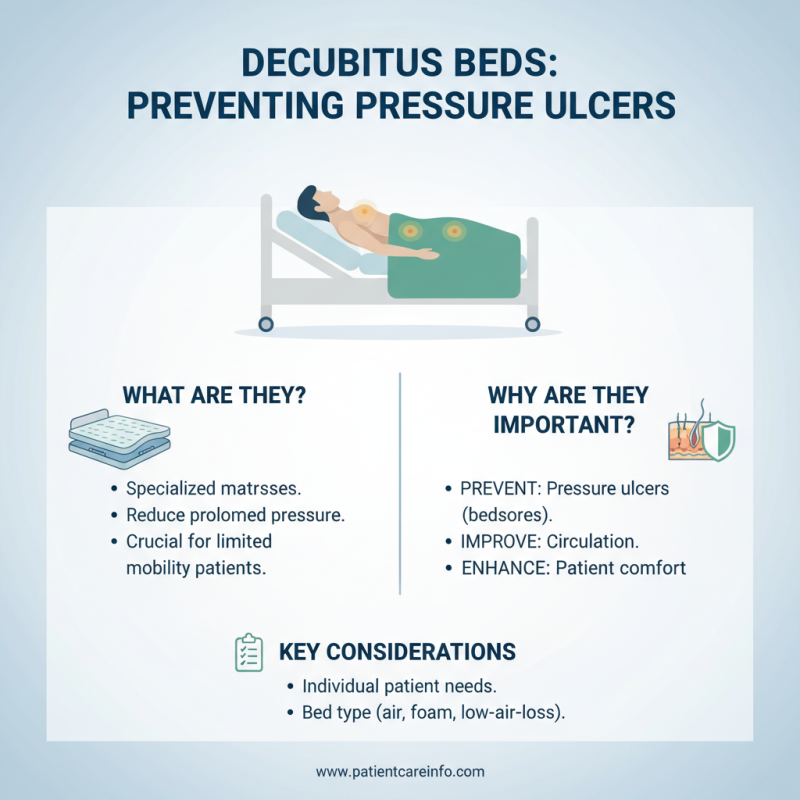
Decubitus beds play a crucial role in patient care, especially for those with limited mobility. These specialized beds help prevent pressure ulcers, which can develop when skin is subjected to prolonged pressure. Patients who lie in one position for too long are at a higher risk. It’s vital to choose a bed that meets the individual's specific needs.
When selecting a decubitus bed, consider the patient's weight and size. The bed must provide adequate support and comfort. Some beds have adjustable features, allowing caregivers to change positions easily. This flexibility can help reduce the risk of pressure sores. However, it's easy to overlook the importance of regular repositioning. Even with the best bed, patients still need movement.
Another aspect to assess is the material of the bed surface. High-quality, breathable materials can enhance comfort. At the same time, caregivers should monitor for wear and tear over time. Regular inspection is essential to ensure the bed maintains its effectiveness. Some beds may also come with additional accessories, like overlays or cushions. Balancing these options with the patient's unique needs is key. Thoughtful consideration today can lead to better patient outcomes tomorrow.
Key Features to Look for in Decubitus Beds
When selecting a decubitus bed, understanding key features is vital. Proper pressure relief is often a primary concern. Reports indicate that nearly 30% of patients develop pressure ulcers due to prolonged bed rest. Therefore, a bed with advanced pressure redistribution technology is crucial. This can prevent skin breakdown and enhance patient comfort.
Another important factor is adjustability. A bed that can be easily adjusted caters to different needs. It enables caregivers to change the bed's position, improving circulation and facilitating care. Statistics show that adjustable beds can reduce the risk of complications by up to 25%. However, not all models provide adequate support, leading to user dissatisfaction.
Consider the overall materials as well. High-quality, breathable fabrics enhance airflow, which can reduce moisture build-up. In a study, 40% of caregivers noted that poor mattress material worsened skin integrity. Thus, investing in appropriate materials is essential for comfort and safety. It's a real concern that many overlook when purchasing a decubitus bed, often out of budget considerations.
Evaluating Different Types of Decubitus Beds for Your Needs
When evaluating different types of decubitus beds, comfort should be a priority. Look for features that support pressure relief. The mattress type plays a key role. Foam, air, and gel mattresses each have unique benefits. Foam mattresses are often affordable and provide basic support. However, they may not be ideal for long-term use. Air mattresses distribute weight better, but they can be tricky to maintain. Gel mattresses offer great pressure relief but can be expensive.
Think about the layout of the bed. Some beds come with adjustable height features. This allows caregivers to provide easier access for patients. It might seem like a luxury, but it can reduce strain on caregivers' backs and improve patient experience. Also, consider the size. A bed that's too small can lead to discomfort. You might overlook this, but the extra space can make a significant difference.
Don’t forget about the ease of cleaning. Decubitus beds can get messy. Selecting materials that are easy to wipe down is essential. Waterproof covers can help protect the mattress. However, these can trap heat, making users uncomfortable. It's crucial to balance cleanliness and comfort. Reflecting on these details can help you choose a bed that truly meets your needs.
Essential Tips for Choosing the Right Decubitus Bed
This chart illustrates the different types of decubitus beds evaluated based on key features that are important for selecting the right bed.
Assessing Budget and Cost Considerations for Decubitus Beds
When selecting a decubitus bed, budget plays a critical role. According to industry research, prices for these specialized beds range from $500 to over $5,000. This wide spectrum can be daunting for families and caregivers. It’s vital to evaluate the cost versus the features offered. Basic models might suffice for temporary needs, while advanced models provide better support and pressure relief for longer-term use.
Additionally, consider the long-term investment. Higher-priced beds often come with better warranties and more durable materials. A report by the American Association of Critical-Care Nurses suggests that investing in quality can reduce the incidence of pressure ulcers, saving costs on treatment. If the bed fails too soon, additional expenses could arise. It’s essential to weigh these factors carefully while budgeting.
Also, don’t overlook the potential need for accessories. Mattresses, covers, and other items can add significant costs. Some users find themselves blindsided by these extra expenses. Therefore, creating a comprehensive budget that includes all potential costs is crucial. Staying informed about product specifications and understanding price differences can prevent regrets later.
Consulting Healthcare Professionals for Recommendations on Bed Selection
When selecting a decubitus bed, consulting healthcare professionals can be invaluable. They have the expertise to guide you in making the right choice. A doctor or nurse can assess specific needs. They can look at medical history and current conditions. This consultation can identify which features of a bed are necessary.
Different beds offer various support levels. Some have adjustable features, while others focus on pressure relief. Healthcare professionals can explain the benefits of each style. They can also recommend accessories that complement the bed. A thorough discussion can uncover your unique requirements.
Sometimes, individuals may overlook the importance of expert advice. They may rush into a decision based on personal research. This approach can lead to regret later. Feedback from healthcare providers helps avoid common pitfalls. Choosing a decubitus bed isn’t just a matter of preference; it's a path toward better care and comfort.
Essential Tips for Choosing the Right Decubitus Bed
| Feature |
Description |
Importance |
| Adjustability |
Bed should be adjustable in height and position to accommodate patient comfort. |
High |
| Material |
Quality materials that promote breathability and reduce moisture build-up. |
High |
| Weight Capacity |
Ensure the bed can support the weight of the patient comfortably. |
Critical |
| Ease of Use |
Features such as easy-to-reach controls for adjustment are essential. |
High |
| Pressure Relief |
Beds should have pressure-relief systems to prevent bedsores. |
Critical |
| Portability |
Consider if the bed can be easily moved if necessary. |
Medium |