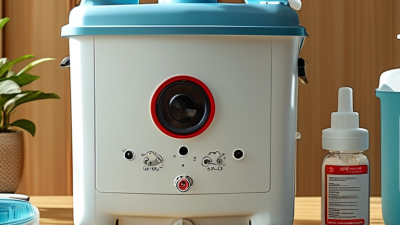
10 Essential Tips for Choosing a Medical Portable Suction Machine?
When selecting a Medical Portable Suction Machine, expert insights are invaluable. Dr. Sarah Jennings, a leading respiratory therapist, emphasizes, "The right suction machine is crucial for effective patient care." This statement underlines the importance of making an informed choice in such a vital field.
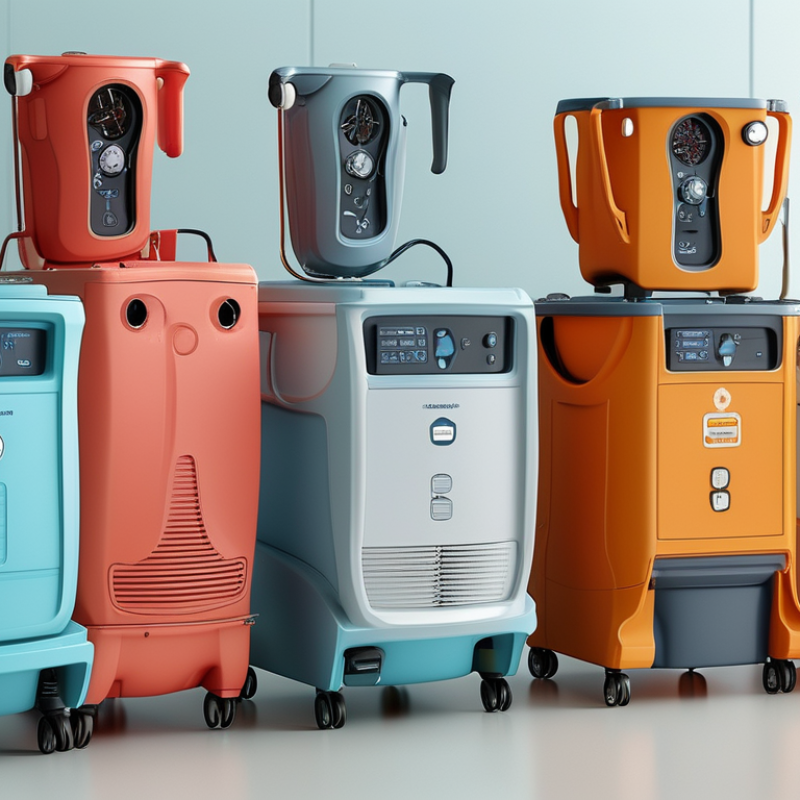
The Medical Portable Suction Machine plays a key role in emergency and critical care settings. It provides an efficient solution for clearing airways clogged with secretions. Each model offers unique features, strengths, and weaknesses, which can greatly affect its performance. Evaluating these aspects is essential for ensuring patient safety and comfort.
Considerations include suction pressure, weight, and battery life. Users should prioritize machines that are lightweight and easy to transport. However, many machines in the market may not meet high standards. This reality prompts a careful examination of manufacturer specifications and user reviews, making the selection process more complex. A well-chosen Medical Portable Suction Machine can greatly enhance patient outcomes and streamline emergency procedures.
Understanding the Importance of Portable Suction Machines
Portable suction machines are vital in various medical settings, providing critical support during emergencies. According to a report by the World Health Organization, these devices can save lives by ensuring airways remain clear in patients with respiratory distress. Understanding their importance aids in making informed choices when selecting one for your needs.
One essential tip is to assess the machine's suction power. High suction capabilities are crucial for effectively managing secretions. A device with adjustable pressure settings offers versatility for different medical situations. Additionally, battery life is significant. Machines with longer battery durations are more reliable in emergency scenarios.
Moreover, consider the weight and portability of the device. A heavy machine may limit mobility, especially in urgent cases. Opt for lightweight models that are easy to transport. Ensure ease of use; intuitive controls can be lifesaving during critical moments. Research suggests that up to 25% of caregivers may struggle with complex interfaces, leading to delays in treatment. Making pragmatic choices can enhance both efficiency and safety in patient care.
Key Features to Look for in a Medical Portable Suction Machine
When selecting a medical portable suction machine, several key features should be carefully considered. The suction power is crucial. Look for machines that offer adjustable suction levels. This ensures versatility across different medical situations. A high-efficiency filter is essential for maintaining hygiene. It prevents the inhalation of contaminants, which can lead to infections. It's worth noting that not all machines come with this feature, and it often goes overlooked.
Portability is another vital aspect. Lightweight designs are easier to transport and use in emergencies. Consider battery life as well. A machine that runs longer allows for uninterrupted operation, especially in critical scenarios. Size is also important. A compact model can fit into medical kits, yet it should not compromise performance.
Additionally, ease of use contributes to reliability. Intuitive controls save time and reduce errors during urgent situations. However, some users may find complex controls daunting. Feedback from real users can provide insights into usability. While many models claim to excel, reviews often reveal performance gaps. Taking the time to research and gather opinions can lead to a more informed decision, enhancing both safety and efficiency in medical environments.
Assessing Power Requirements and Battery Life
When selecting a medical portable suction machine, understanding power requirements and battery life is crucial. A reliable power source ensures that the device functions effectively during critical moments. Consider your typical use scenarios. Will you use it in a hospital or an ambulance? The power needs will differ based on these environments.
Battery life is equally important. Many portable machines offer varying life spans. Some models may only last an hour, while others can last for several hours. Think about how long you might need the device for a procedure. It's essential to select a model that meets this demand. Moreover, pay attention to the charging options available. Quick-charging capabilities can be a deciding factor.
Evaluate the suction strength as well. Portable machines should be powerful enough for medical tasks but may vary in performance. Take the time to read user reviews or ask professionals for their recommendations. There’s no one-size-fits-all solution. Individual needs can lead to different conclusions about the best choice. Always question how each feature aligns with your specific requirements.
Evaluating Portability and Weight Specifications
When evaluating portable suction machines, portability and weight are critical factors. A machine that is too heavy can be cumbersome during emergencies. Comfort should be considered, especially in a healthcare setting. Lightweight options often provide better maneuverability.
Tip: Look for machines that weigh no more than 10 pounds. This makes transportation easier, especially when rapid response is necessary. Features like a collapsible design can enhance portability.
Remember, not all lightweight machines deliver power. Check the suction capacity to ensure it meets your needs. Durability also matters; some lightweight materials may compromise sturdiness.
Tip: Assess how easy it is to carry the machine. Strap options or built-in handles can make a significant difference in usability. Consider how often you’ll be relocating the device. If frequent, invest time in research to find the best fit. Evaluating these details attentively can enhance your decision-making process.
Considering Maintenance and Support Services Available
When selecting a medical portable suction machine, it's vital to consider maintenance and support services. Reliable support is crucial for ensuring the longevity and efficiency of the device. According to the FDA, proper maintenance can extend the lifespan of medical equipment by 20-30%. Regular check-ups and timely repairs prevent potential failures during critical moments.
Many providers offer extensive support, including training for healthcare professionals. According to recent industry studies, nearly 60% of healthcare staff feel unprepared to handle equipment malfunctions. This gap can be bridged with effective training and access to knowledgeable technicians. Additionally, inquire about the availability of replacement parts and service contracts. A robust service plan can be as important as the machine itself.
Unexpected failures can impact patient care significantly. A report highlighted that 15% of medical device failures can lead to adverse events. Therefore, your portable suction machine should have easily accessible technical support. Understanding these dimensions ensures that healthcare providers are equipped to manage equipment challenges effectively.