10 Essential Tips for Choosing the Right Portable Suction Unit
Selecting the right Portable Suction Unit is a critical decision for healthcare professionals, emergency responders, and home care providers alike. These devices play an indispensable role in medical settings by helping to clear airways, manage secretions, and assist in various procedures. With numerous models and features available on the market, it can be overwhelming to determine which unit best meets the demands of specific situations or patient needs.
In this article, we will explore ten essential tips that can guide you through the process of choosing the most suitable Portable Suction Unit. By understanding key factors such as suction power, portability, battery life, and ease of cleaning, users can make informed decisions that enhance patient care and improve operational efficiency. Whether you are equipping an ambulance, a residential care facility, or preparing for a home visit, these insights will ensure that you select a unit that meets both your professional needs and patient safety standards.

Types of Portable Suction Units and Their Applications
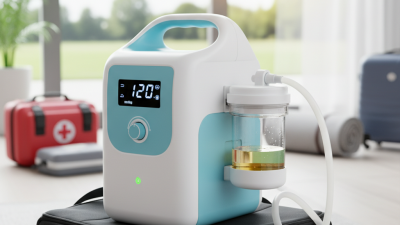
When selecting a portable suction unit, understanding the various types and their specific applications is crucial. There are primarily two main categories of portable suction units: electric and manual. Electric suction units are ideal for situations that require consistent, powerful suction, such as during medical emergencies or in a clinical setting. They are typically equipped with rechargeable batteries, allowing for mobility without being tethered to a power source. On the other hand, manual suction units are often simpler, utilizing a hand-operated mechanism. These are useful in less intensive scenarios or in locations where electricity is not available, and they can be more cost-effective.
In addition to the type of suction unit, the application also dictates which features are necessary. For example, units designed specifically for airway clearance may include features like adjustable flow rates, which allow for customization based on the patient’s needs. Conversely, suction units intended for wound care may focus on how gently they can operate to avoid further trauma. Understanding these distinctions not only aids in selecting the right device but also ensures its effective use in a variety of settings, from emergency response to everyday medical care.
Key Features to Consider When Selecting a Portable Suction Unit
When selecting a portable suction unit, several key features should be prioritized to ensure optimal performance and reliability. First and foremost, consider the suction power. Units should provide sufficient suction force to effectively remove secretions and obstructions, with adjustable settings to cater to different medical needs. Additionally, the capacity of the collection canister is crucial; a larger volume allows for extended use without the need for frequent changes, which can be particularly important in emergency situations.
Another important aspect to evaluate is the weight and portability of the unit. Ideally, it should be lightweight and compact, making it easy to transport and maneuver in various settings, from hospitals to home care. Battery life is also critical; a unit with a long-lasting battery ensures functionality in locations where power supply may be inconsistent. Furthermore, features such as ease of cleaning and maintenance can significantly affect the overall usability and longevity of the device, making it essential to choose a model designed for user-friendly upkeep. These considerations will help ensure the selected portable suction unit meets your specific requirements and enhances patient care.
10 Essential Tips for Choosing the Right Portable Suction Unit - Key Features to Consider When Selecting a Portable Suction Unit
| Feature |
Description |
Importance Level |
| Suction Power |
Measure the strength of suction in mmHg or kPa, ensuring it's adequate for your needs. |
High |
| Portability |
Weight and size matter; choose a unit that is easy to transport. |
High |
| Battery Life |
Consider the duration the unit can operate on battery power. |
Medium |
| Ease of Use |
Look for intuitive controls and user-friendly designs. |
High |
| Maintenance Requirements |
Check how easy it is to clean and maintain the unit. |
Medium |
| Noise Level |
Consider the decibel level during operation for quieter environments. |
Low |
| Collection Canister Size |
Evaluate the canister capacity based on expected usage. |
Medium |
| Filters |
Check the type and efficiency of filters provided. |
High |
| Price |
Assess cost against features and budget.
|
Medium |
| Warranty and Support |
Look for warranty length and availability of customer support. |
High |
Assessing Power Source Options for Portable Suction Devices
When selecting a portable suction unit, one of the most critical factors to consider is the power source. This choice greatly influences the unit’s functionality and your ability to use it effectively in different environments. Portable suction devices typically operate on various power sources, including battery, AC power, or a combination of both. Assessing the intended use—whether in a clinical setting, at home, or during emergencies—will guide your decision.
Battery-powered units offer mobility and ease of use, particularly in locations where electrical outlets are not readily available. However, consider battery life and charging times to ensure consistent performance.
On the other hand, AC-powered suction units may provide more power and suction strength, making them ideal for prolonged use or heavy-duty applications. Some advanced models feature dual power capabilities, allowing users to switch between battery and AC power seamlessly, which can be particularly useful in unpredictable situations.
Additionally, it’s important to evaluate the durability and portability of the unit. A lightweight design with a robust casing can enhance usability, especially in emergency scenarios where quick response times are necessary. By carefully weighing these power source options, you can ensure that the chosen portable suction unit meets your specific needs and demands.
Maintenance and Care Tips for Long-Lasting Suction Units
Proper maintenance and care of portable suction units are crucial for ensuring their longevity and optimal performance. Regular cleaning is necessary to prevent the buildup of contaminants that can compromise functionality. After each use, disassemble the unit according to the manufacturer's instructions, and thoroughly clean all components using appropriate disinfectants. This not only ensures hygiene but also maintains the equipment's efficiency over time.
Additionally, routine inspections play a vital role in keeping suction units in top condition. Check the hoses, canisters, and filters for any signs of wear or damage. Replace any worn or damaged parts immediately to avoid performance issues during critical moments. Finally, keep the unit stored in a dry, cool place when not in use, as environmental factors like humidity can adversely affect its parts. By following these maintenance and care tips, users can extend the life of their portable suction units and ensure they remain reliable when needed most.
Understanding Regulatory Standards for Medical Suction Equipment
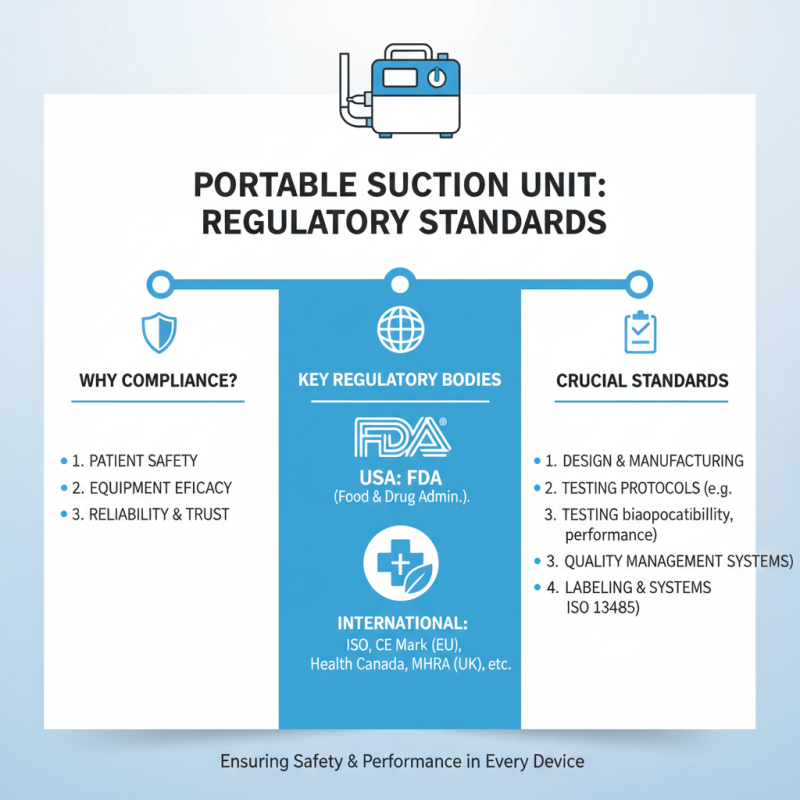
When selecting a portable suction unit, understanding the regulatory standards for medical suction equipment is crucial. Regulatory bodies like the FDA in the United States and similar organizations in other countries set rigorous guidelines to ensure that medical devices, including suction units, meet safety and efficacy standards. Compliance with these regulations not only guarantees that the equipment is safe to use but also provides assurance that it performs its intended functions effectively. Familiarizing oneself with the specific standards, such as design, manufacturing, and testing protocols, can significantly impact the selection process.
Moreover, it is essential to assess how these regulatory standards affect the maintenance and operational capabilities of portable suction units. Devices that adhere to strict quality controls often come with detailed user manuals and guidelines for maintenance, ensuring longevity and reliability in clinical settings. Additionally, knowing the certification of a suction unit can provide peace of mind for healthcare providers, as it indicates that the equipment has undergone rigorous testing to meet international safety standards. By prioritizing regulatory compliance, users can choose portable suction units that not only meet their immediate performance needs but also align with long-term operational safety in various medical environments.