What is a Handheld Sputum Extractor and How Is It Used?
A Handheld Sputum Extractor is an essential device in medical settings. It aids in collecting sputum samples for diagnostic purposes. This tool is particularly useful for patients with respiratory illnesses. It simplifies the process of sample collection, making it efficient for healthcare providers.
Using a Handheld Sputum Extractor involves a few straightforward steps. The patient must be properly positioned to ensure comfort during collection. The extractor gently suctions sputum with minimal discomfort. However, the effectiveness can vary based on patient cooperation. Some patients may not produce enough sputum. This can lead to frustration for both patients and clinicians.
Despite its advantages, there are challenges. The Handheld Sputum Extractor requires proper training. Incorrect use can result in suboptimal sample quality. Healthcare staff must be attentive. They need to monitor patients closely throughout the process. A clear understanding of the device is crucial for accurate results.
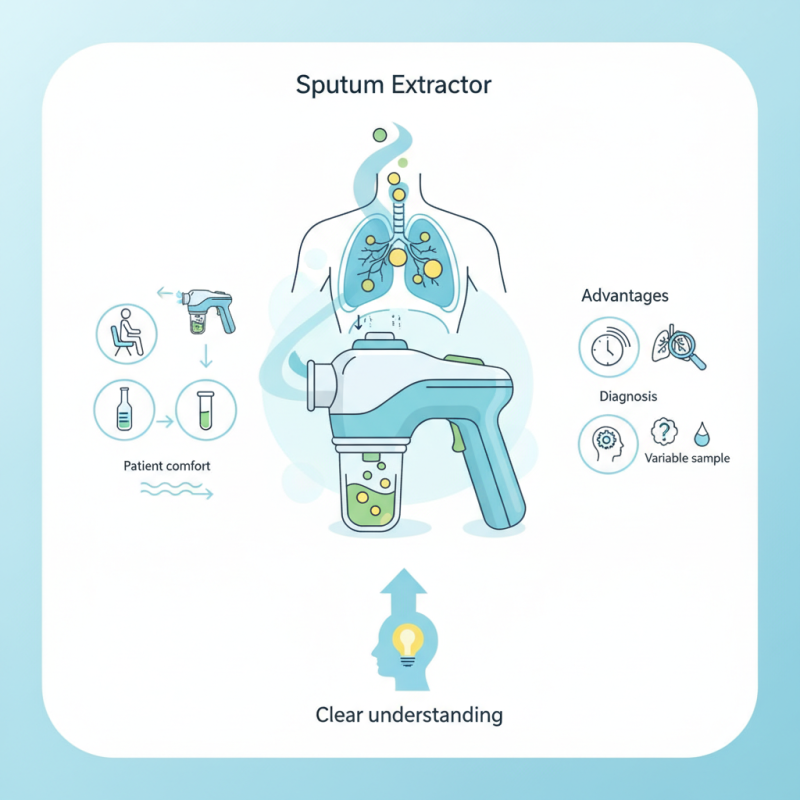
What is a Handheld Sputum Extractor?
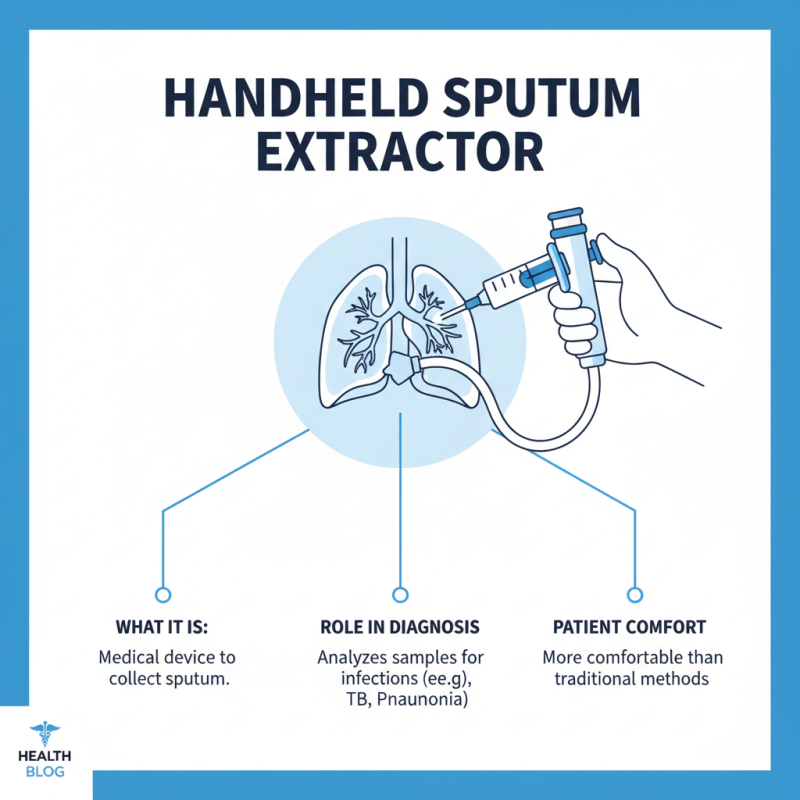
A handheld sputum extractor is a medical device designed to collect sputum samples from patients. This tool plays a vital role in diagnosing respiratory conditions. It helps healthcare professionals analyze the samples for infections, such as tuberculosis or pneumonia. Patients often find it more comfortable than traditional methods.
Using a sputum extractor is straightforward. The healthcare provider instructs the patient on how to use it. Patients exhale into the device, which captures the sputum through a specified filter. This process may take some time, and not all patients can produce a sample easily. It's essential to ensure that the patient remains calm and relaxed during the procedure to enhance sample quality.
There are areas for improvement with this device. For instance, the design could be more ergonomic for better grip. Some users report discomfort after prolonged use. Training for healthcare staff on effective usage is also necessary. As important as this device is, it is not without challenges. Addressing these issues could lead to better outcomes for patients and healthcare professionals alike.
Key Components of a Handheld Sputum Extractor
A handheld sputum extractor is a vital device in respiratory care. It simplifies the collection of sputum samples. Understanding its key components helps in utilizing it effectively.
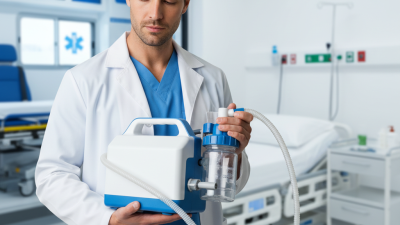
The main part is the suction mechanism. This component effectively creates a negative pressure. It draws sputum from the airways into a collection chamber. Additionally, the chamber is transparent. This allows for easy observation of the sample's quality. A filter is often present, ensuring that larger particles do not impede functionality.
Another essential element is the flexible tubing. This enables the device to reach difficult areas in the respiratory tract. The design must allow easy maneuverability. Lastly, a user-friendly interface enhances usability. An intuitive layout aids in quick adjustments during operation. Reflecting on the design can aid in identifying potential improvements. Proper maintenance is crucial, as neglect can lead to performance issues. Regular cleaning and inspections keep the device working optimally.
What is a Handheld Sputum Extractor and How Is It Used? - Key Components of a Handheld Sputum Extractor
| Component |
Description |
Function |
| Suction Pump |
Device that creates negative pressure for sputum extraction. |
Facilitates the removal of mucus from the respiratory tract. |
| Collection Chamber |
Container where extracted sputum is collected. |
Holds sputum for analysis or disposal. |
| Tube Connection |
Flexible tubing connecting the suction pump to the collection chamber. |
Ensures efficient transfer of mucus. |
| Filter System |
Barrier to prevent contamination during the suction process. |
Maintains hygiene by filtering contaminants. |
| Control Mechanism |
Switch or dial to control suction power. |
Allows for adjustable suction depending on need. |
| Safety Valve |
Prevents backflow of collected sputum into the pump. |
Protects the device and user from contamination. |
How Does a Handheld Sputum Extractor Work?
A handheld sputum extractor is a compact device designed to collect samples of sputum from patients. It can be crucial for diagnosing respiratory conditions. This tool operates through a simple mechanism, allowing easier access to sputum samples without discomfort to the patient.
When in use, the device creates a slight suction. This suction gently draws sputum into a collection chamber. The healthcare provider positions the extractor near the patient’s mouth. The patient is asked to cough or breathe deeply to generate sputum. Precision is vital here; improper positioning can lead to inadequate samples.
The sputum collector must be cleaned and sterilized after each use. This is often overlooked, leading to cross-contamination. Users must be diligent about hygiene. Proper technique and equipment maintenance enhance the accuracy of diagnostic results. Yet, not all operators are equally skilled. Training is essential but can be inconsistent. A lack of practice may lead to ineffective sample collection.
Steps for Using a Handheld Sputum Extractor Safely
Using a handheld sputum extractor requires attention and care to ensure safety. Start by preparing the workspace. Clean the area thoroughly to prevent contamination. Gather all necessary materials. Check that the extractor is functioning properly. Any malfunction may lead to improper use.
When using the extractor, hold it firmly. Make sure your grip is secure to avoid slipping. Position it close to your mouth. This helps in collecting the sample effectively. Inhale deeply before using, then exhale into the device.
Tips: Always wear gloves. This protects your hands from any potential contaminants. Dispose of used gloves immediately. Practice using the extractor without any pressure. Get comfortable with the device before actual use.
After collecting the sample, seal it carefully. Avoid touching the inside of the container. This step is crucial to maintain sample integrity. Remember, practice makes perfect. Don't rush this process; take your time to learn how to use the extractor well.
Applications and Benefits of Handheld Sputum Extractors in Healthcare
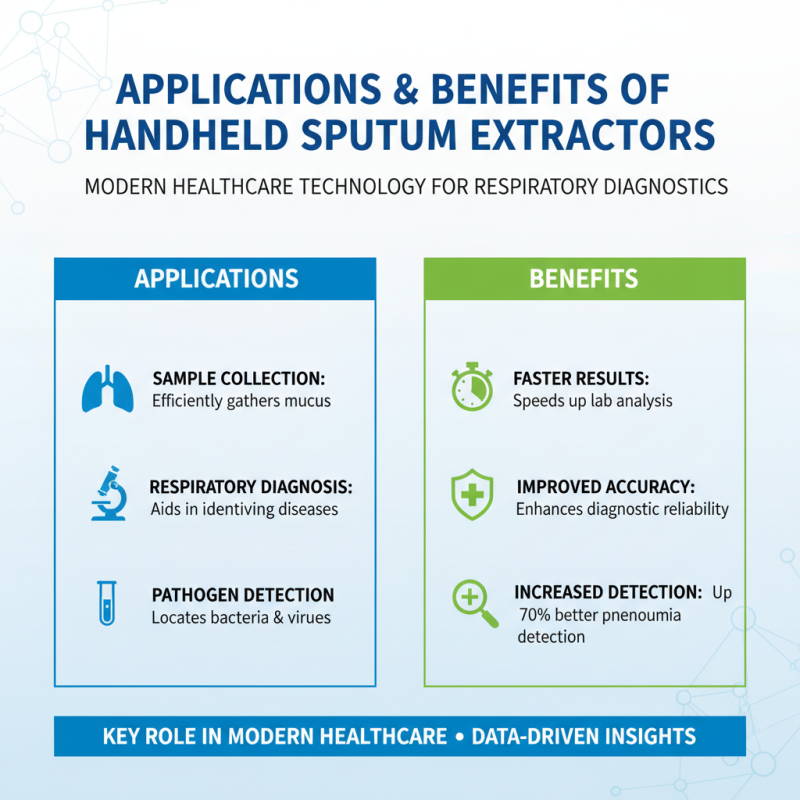
Handheld sputum extractors play a vital role in modern healthcare. These devices help collect and process mucus samples. Clinicians use them to diagnose respiratory diseases efficiently. According to a recent health data report, accurate sputum analysis can increase the detection rate of conditions like pneumonia by up to 70%.
In critical care settings, the use of handheld sputum extractors allows for rapid assessment. This speed can be crucial. Quick diagnosis leads to timely treatment, potentially saving lives. However, there are challenges. Proper training is essential to ensure effective use. Without it, samples may be compromised. This could lead to misdiagnoses, affecting patient outcomes.
The convenience of handheld devices also encourages more frequent testing. Research indicates that increased testing can improve disease management. Despite their benefits, the adoption of these tools can be inconsistent. Some healthcare facilities may lack proper guidelines for their use. This gap highlights the need for ongoing education and refinement in practice. Efficient use can elevate patient care standards significantly.