What is a Medical Portable Suction Machine and How Does It Work?
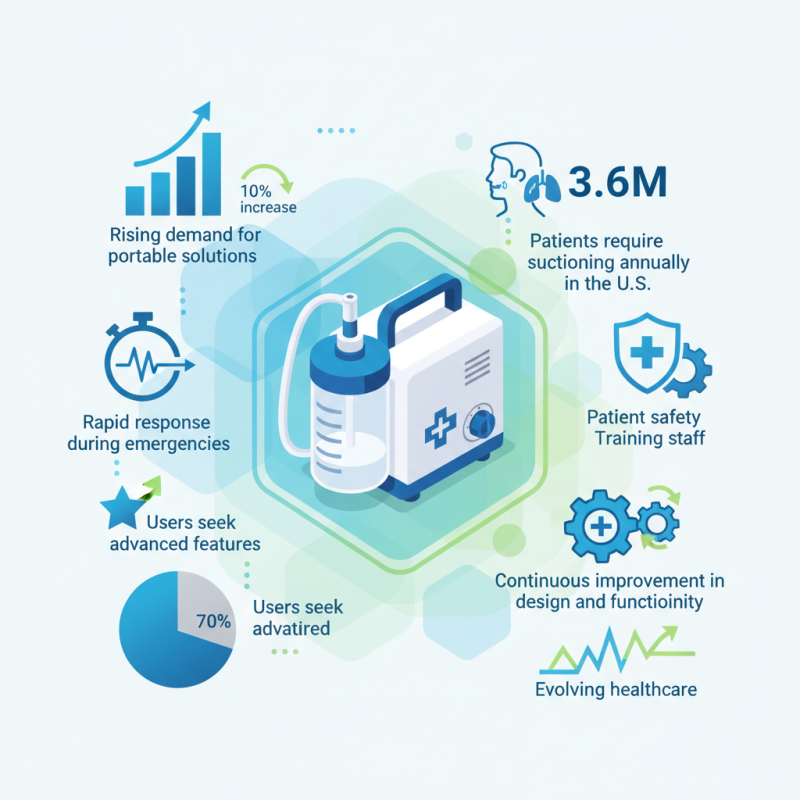
The Medical Portable Suction Machine is a vital tool in modern healthcare. It enables rapid response during emergencies. In hospitals and clinics, its efficiency is indispensable. An estimated 3.6 million patients require suctioning annually in the U.S. alone. This device ensures that airway obstructions are swiftly managed, reducing complications and improving outcomes.
As healthcare evolves, the demand for portable solutions is rising. A recent report highlighted a 10% increase in portable medical equipment usage. The convenience of the Medical Portable Suction Machine allows healthcare providers to perform better in critical situations. However, its accessibility also poses challenges. Training staff to use this machine properly is essential for patient safety.
In light of these developments, manufacturers must prioritize quality and innovation. Data indicate that 70% of users seek products with advanced features. Yet, many portable suction machines still lag in technology. This gap can lead to inefficiencies in urgent care. Continuous improvement in design and functionality is necessary to meet the growing healthcare demands.
What is a Medical Portable Suction Machine?
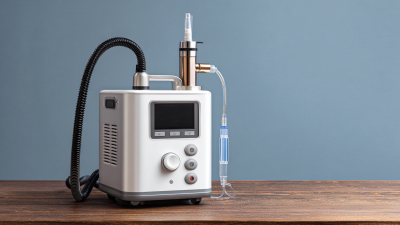
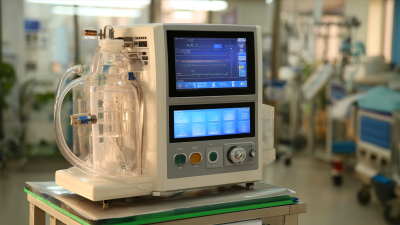
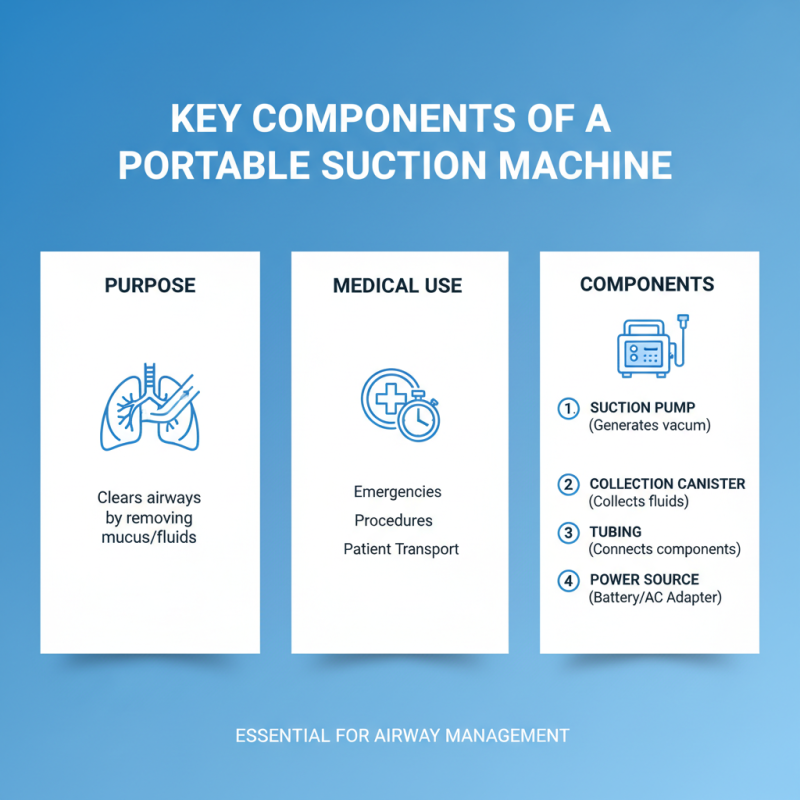
A medical portable suction machine is an essential device used in various healthcare settings. It removes fluids and obstructions from a patient’s airway or wounds. This is crucial during surgeries, emergencies, or even for home care. These machines are designed to be compact and lightweight, making them easy to transport. They often operate quietly and efficiently, ensuring patient comfort.
The mechanics behind this device are relatively straightforward. A motor creates a vacuum, which draws fluids into a collection container. A filter often separates contaminants, ensuring that the suctioned material does not clog the system. However, it's important to maintain and clean these machines regularly. If neglected, they can become less effective or even pose a risk of infection.
Using a portable suction machine requires training. Users must understand how to set it up and adjust settings. Incorrect usage can lead to complications or harm. Despite their widespread use, many healthcare providers need more hands-on training. Ensuring proper techniques is vital for patient safety.
What is a Medical Portable Suction Machine and How Does It Work?
| Feature |
Description |
| Type |
Portable Suction Machine |
| Power Source |
Battery-operated or AC powered |
| Suction Capacity |
Varies from 20 L/min to 30 L/min |
| Application |
Clearing airways, wound care, and emergency situations |
| Weight |
Typically weighs between 5 to 15 lbs |
| Size |
Compact design for easy transport |
| Maintenance |
Regular cleaning of canister and filters required |
| Indicator |
Built-in suction level indicator |
How Does a Portable Suction Machine Operate?
A portable suction machine is essential in medical environments. It helps clear airways and remove bodily fluids. This device operates with a motor generating suction. It pulls fluids through a tube into a collection container. Designed for ease, it’s lightweight and battery-operated.
How does it operate? Users turn on the machine and adjust the pressure according to needs. A vacuum is created inside, effectively drawing in fluids. Most models incorporate filters to prevent backflow and ensure cleanliness. According to industry reports, effective suctioning can significantly decrease procedural complications. Yet, one must regularly check the settings to avoid accidents.
Tips: Always ensure the suction tubing is well-connected. Regularly service the machine for optimal performance. Monitoring fluid levels is crucial to prevent overflow. Mistakes in operation can lead to non-compliance with safety standards. Remember, training on the device is vital. If in doubt, consult experts to avoid potential mishaps.
Common Uses and Applications in Healthcare
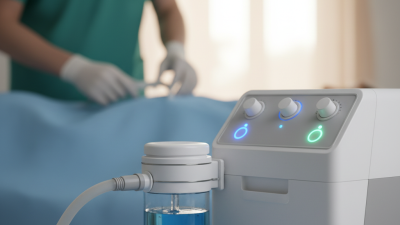
A medical portable suction machine is essential in various healthcare settings. It assists healthcare providers in clearing airways. Some common applications include emergency rooms, ambulances, and during surgeries. In each case, it plays a critical role in saving lives.
Many medical professionals use this device during respiratory emergencies. For instance, if a patient cannot breathe properly, a suction machine can remove blockages. This action prevents severe complications, such as hypoxia. Additionally, in surgical procedures, it helps maintain a clear surgical field. Surgeons rely on it to enhance visibility and efficiency.
However, not all units are user-friendly. Some devices may lack adequate suction power, leading to ineffective results. Training on proper usage is crucial, but it is often overlooked. In high-pressure situations, this can result in delay and unnecessary stress. So, while these machines are invaluable, ensuring that every team member can operate them effortlessly is vital.
Common Uses of Medical Portable Suction Machines
This bar chart represents the common applications of medical portable suction machines in various healthcare settings. Each category shows the percentage of usage based on typical medical practices.
Safety Considerations When Using Portable Suction Machines
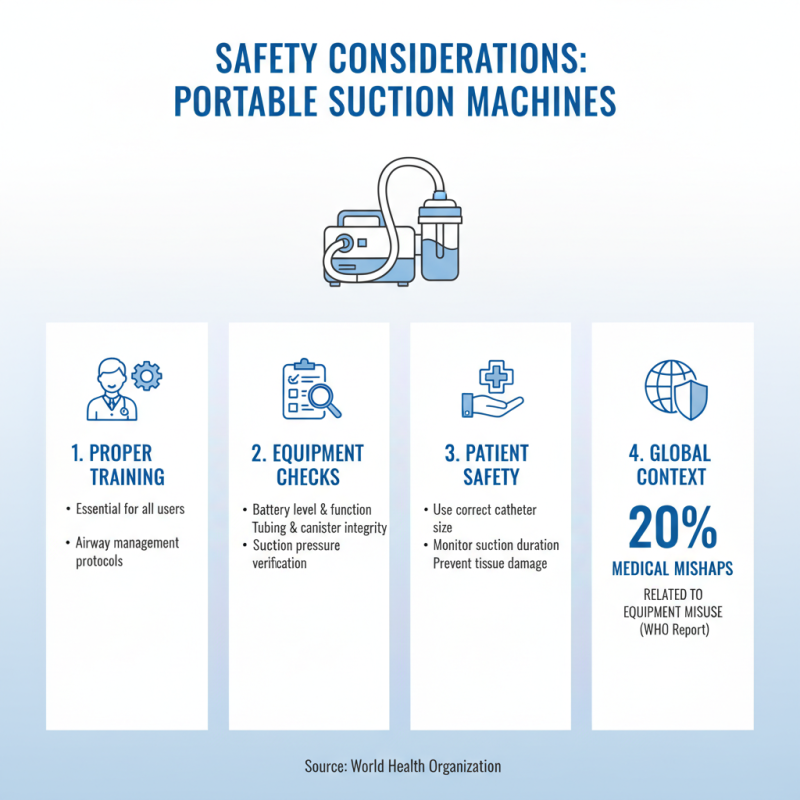
When using portable suction machines, safety is paramount. These devices are essential in emergencies, especially for clearing airways. Yet, improper usage can lead to complications. According to a report from the World Health Organization, nearly 20% of medical mishaps are related to equipment misuse. This percentage highlights the need for proper training and awareness among medical professionals.
Proper maintenance is critical. Regularly check for blockages or malfunctions to ensure optimal performance. A study published in the Journal of Clinical Engineering mentions that 15% of portable suction machines fail during critical situations due to inadequate maintenance. This underlines the importance of standard operating procedures to uphold safety standards.
User environment also matters. Portable machines should be used in controlled, clean spaces to avoid contamination. Studies show that 25% of infections in the operating room can be linked to unclean equipment. Professionals should be trained not just in usage but also in identifying unsafe environments. Identifying potential hazards enhances patient safety and reflects a responsible approach to medical care.