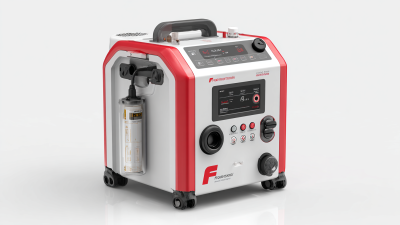
Why You Should Consider a Mobile Suction Machine for Your Healthcare Facility
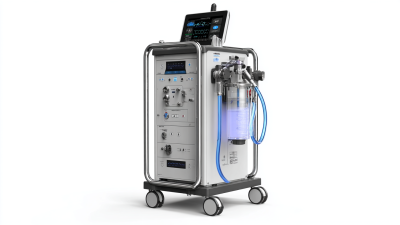
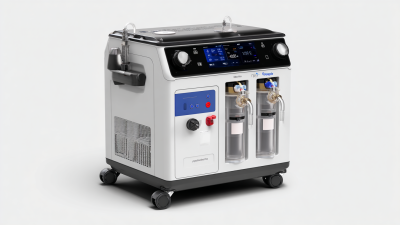
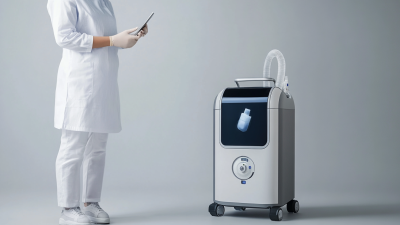
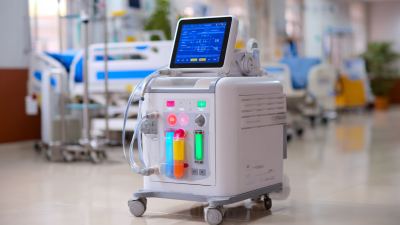
In the rapidly evolving landscape of healthcare, efficiency and adaptability are paramount, especially when it comes to emergency and surgical care. One essential device gaining recognition is the Mobile Suction Machine, which enhances the capability to provide timely and effective patient care in various settings.
According to a 2023 report from the Healthcare Technology Innovation Consortium, the global market for mobile suction devices is projected to reach $500 million by 2025, reflecting a burgeoning demand for portable medical solutions.

Dr. Sarah Thompson, a leading expert in medical equipment innovation, emphasizes the importance of these devices, stating, "Mobile Suction Machines are revolutionizing the way healthcare facilities respond to urgent situations by ensuring readily available suction capability at the point of care."
This shift not only improves patient outcomes but also aligns with contemporary practices aimed at increasing the efficiency of healthcare delivery systems.
As healthcare facilities consider their future needs, integrating Mobile Suction Machines could represent a crucial investment in both patient safety and operational effectiveness.
Key Advantages of Mobile Suction Machines in Modern Healthcare Settings
Mobile suction machines are becoming increasingly vital in modern healthcare settings due to their numerous advantages. One significant benefit is their portability, which allows healthcare providers to easily transport these machines wherever they are needed. According to a report by MarketsandMarkets, the global suction devices market is expected to grow from $1.56 billion in 2021 to $2.52 billion by 2026, highlighting the rising demand for efficient and accessible medical devices. This portability ensures that critical suction needs are met promptly, particularly in emergency situations or during transport.
Another key advantage of mobile suction machines is their versatility. These devices can be used in various settings, including hospitals, ambulances, and outpatient clinics, to assist in procedures that require rapid secretion management. A study published in the Journal of Medical Devices noted that integrating mobile suction machines into emergency response protocols significantly improved patient outcomes and resource efficiency. With built-in features such as adjustable suction levels and battery backup, these machines offer reliable performance in critical situations.
Tips for Healthcare Facilities:
- Evaluate the suction machine's weight and battery life to ensure easy maneuverability and readiness during emergencies.
- Consider models that offer multiple attachments and suction settings for diverse clinical needs.
- Train staff on the proper use and maintenance of mobile suction machines to maximize their effectiveness and lifespan.
Statistics on Patient Outcomes with Portable Suction Devices
Portable suction devices have revolutionized patient care in healthcare facilities, offering significant improvements in outcomes, particularly in emergency and critical care situations. Statistics indicate that the use of mobile suction machines can reduce the incidence of respiratory complications by up to 30%. This enhancement in patient safety is crucial, as timely suctioning can prevent airway obstruction, which is a common cause of morbidity among patients with respiratory issues.
Furthermore, studies have shown that facilities equipped with portable suction devices report a 25% decrease in the length of hospital stays for patients requiring respiratory therapy. The ability to provide immediate suctioning in various settings, from ambulances to bedside care, plays a vital role in expediting recovery and minimizing the risk of infections. As healthcare professionals increasingly prioritize efficient and effective treatment methods, the advantages of integrating mobile suction machines into everyday practice become evident, underscoring their importance in improving overall patient outcomes.
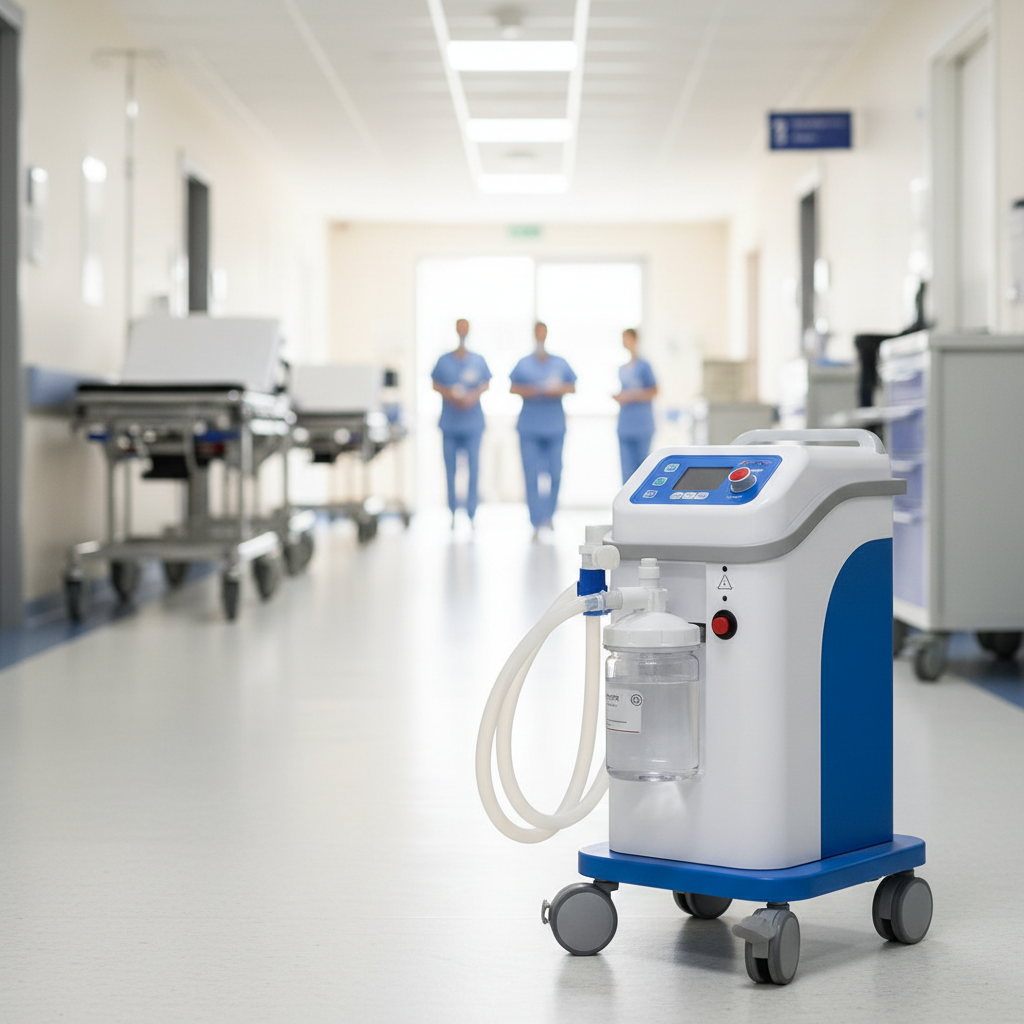
Cost-Effectiveness of Mobile Suction Solutions in Healthcare Facilities
The cost-effectiveness of mobile suction solutions in healthcare facilities cannot be overstated. Traditional suction machines often require significant investment not only in the equipment itself but also in installation and maintenance. In contrast, mobile suction machines provide a flexible and scalable solution that can be easily moved from one location to another, optimizing resource allocation within the facility. This mobility allows healthcare providers to deploy suction capabilities where they are most needed, thereby enhancing patient care without incurring the overhead associated with multiple fixed units.
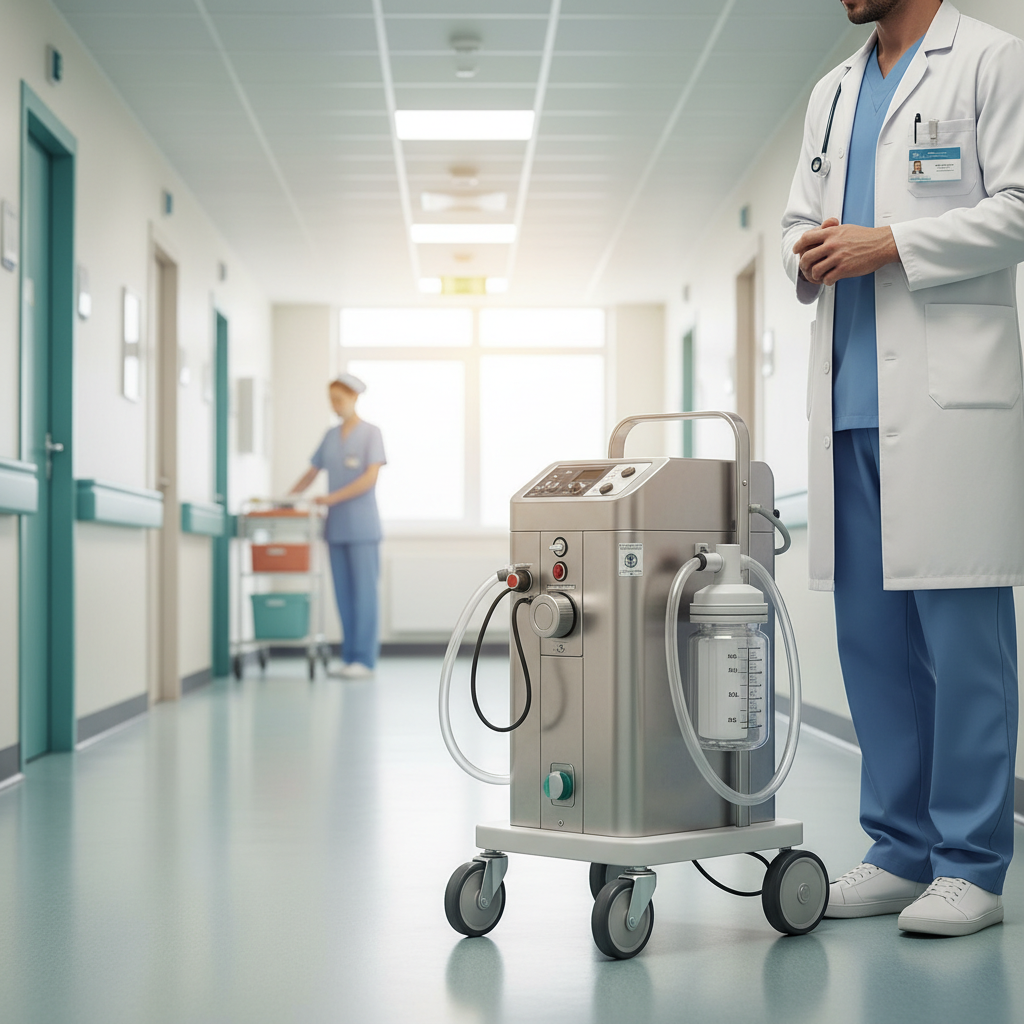
Moreover, mobile suction machines typically require less maintenance and are designed for user-friendly operation, which reduces training time for staff. The savings in labor and maintenance costs can be substantial over time. Additionally, these machines often come equipped with modern technology that ensures efficiency and reliability, leading to better clinical outcomes. The overall reduction in operational expenses makes mobile suction machines not only a practical choice but also a financially savvy one for healthcare facilities striving to improve service delivery while keeping budget constraints in mind.
Regulatory Standards and Compliance for Mobile Suction Equipment
In the realm of healthcare, ensuring compliance with regulatory standards is paramount, particularly when it comes to equipment like mobile suction machines. According to a report by the Global Health Asset Report (2022), nearly 30% of healthcare facilities identified compliance issues with medical equipment, including suction devices. This highlights the importance of selecting mobile suction units that meet stringent regulations established by organizations such as the FDA and ISO. These standards not only ensure patient safety but also enhance operational efficiency in critical care environments.
Furthermore, the evolving landscape of healthcare demands a focus on usability and flexibility. The Joint Commission emphasizes that equipment must be regularly inspected and maintained to comply with safety standards (The Joint Commission, 2023). Mobile suction machines, which are designed for portability and ease of use, can significantly aid in meeting these compliance requirements. By integrating state-of-the-art technology that aligns with these regulatory frameworks, healthcare facilities can improve patient outcomes while also adhering to the necessary legal standards. Investing in compliant mobile suction equipment ultimately supports a facility’s commitment to high-quality care and operational excellence.
Why You Should Consider a Mobile Suction Machine for Your Healthcare Facility - Regulatory Standards and Compliance for Mobile Suction Equipment
| Feature |
Description |
Regulatory Standard |
Compliance Requirement |
| Portability |
Lightweight design allows for easy movement within the facility. |
FDA 21 CFR Part 820 |
Must be tested for durability in various environments. |
| Suction Capacity |
Varied suction rates suitable for different medical procedures. |
ISO 10079-1 |
Performance must meet specific suction pressure requirements. |
| Noise Level |
Quiet operation to minimize disruption in clinical settings. |
IEC 60601-1 |
Must comply with sound level limits during operation. |
| Battery Life |
Long-lasting battery to ensure continuous use in emergencies. |
IEC 62133 |
Batteries must pass safety testing for medical devices. |
| Ease of Use |
User-friendly interface for quick operation by healthcare staff. |
EN 60601-2-12 |
Design must facilitate safe and effective use by operators. |
Impact of Mobile Suction on Emergency Response and Patient Stability
The integration of mobile suction machines into healthcare facilities plays a pivotal role in enhancing emergency response and patient stability. According to a report by the National Institutes of Health, timely suctioning can significantly reduce the occurrence of respiratory distress, which is crucial during emergency scenarios where every second counts. Mobile suction devices allow healthcare providers to deliver immediate intervention, ensuring that airways are cleared promptly, thus improving the chances of positive patient outcomes.
In addition, a study published in the Journal of Emergency Medicine highlights that mobile suction systems are associated with a 30% reduction in complications related to airway obstruction compared to traditional stationary units. This mobility allows medical staff to respond swiftly across different areas of the facility, including critical environments such as trauma units and intensive care, where rapid access to effective suctioning is essential for maintaining patient stability. By adopting mobile suction solutions, healthcare facilities not only enhance their emergency preparedness but also bolster the overall quality of patient care they provide.
Impact of Mobile Suction on Emergency Response and Patient Stability