What is a Portable Sputum Aspirator and How Does It Work?
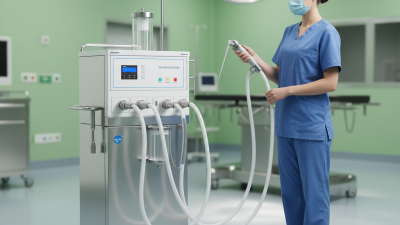
In the realm of respiratory care, the Portable Sputum Aspirator has emerged as a vital tool. Dr. Jane Smith, a renowned respiratory therapist, notes, “This device transforms how we manage airway secretion.” With its compact design, it provides effective suction for patients unable to clear mucus on their own.
The Portable Sputum Aspirator works by creating a vacuum. This mechanism allows healthcare professionals to swiftly remove sputum from a patient’s lungs. As patient mobility increases, this device proves its worth in both clinical and home settings. However, not all models offer the same efficacy, and the choice of device can significantly impact treatment.
While the benefits are apparent, challenges exist. Some may find the device bulky despite its portability. Ensuring proper maintenance is crucial, as neglect can lead to infection risk. Understanding both the advantages and limitations of the Portable Sputum Aspirator is essential for effective respiratory care.
What is a Portable Sputum Aspirator?
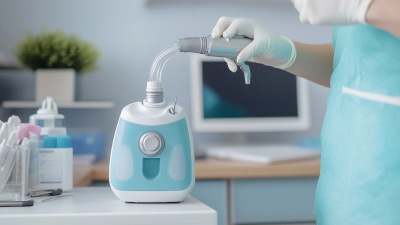
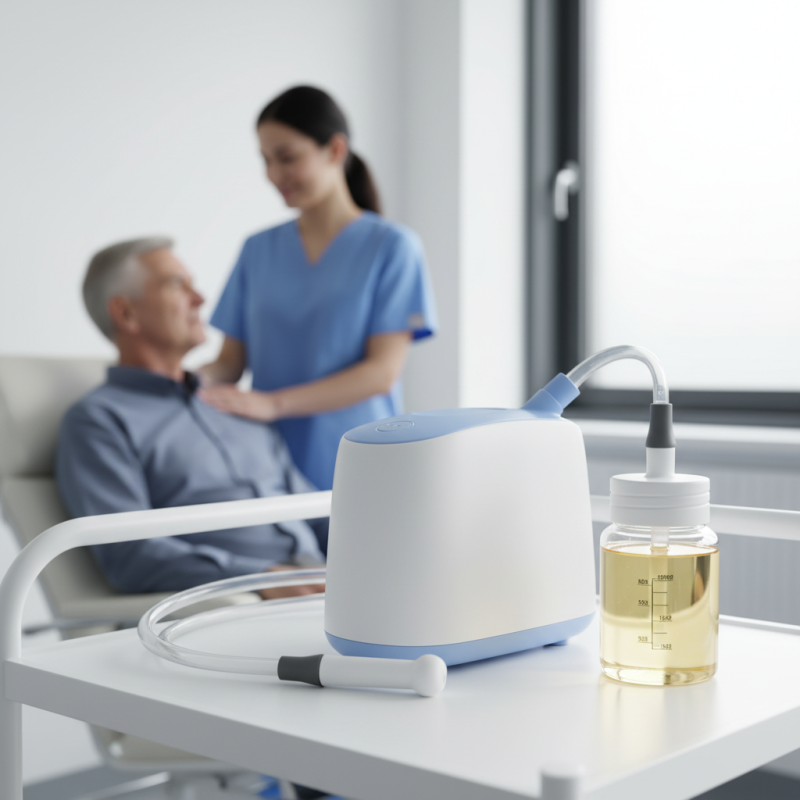
A portable sputum aspirator is a medical device used to remove mucus from a patient’s airways. It is especially important for individuals with respiratory conditions. The device functions by creating a vacuum that helps suction out sputum, promoting easier breathing. Its compact size makes it ideal for home use or on-the-go care.
When using a portable sputum aspirator, ensuring proper hygiene is crucial. Always clean the device after each use to prevent infections. Inspect the tubing and collection jars regularly for any signs of wear or damage. This attention to detail helps maintain both the device's performance and the patient's health.
It’s worth noting that these devices can sometimes be tricky to operate. Patients may need assistance during their first few uses. Practicing with a healthcare professional can enhance confidence. Be patient and allow time to fully understand the mechanism. Understanding your device better can lead to more effective use in managing respiratory health.
Key Components of a Portable Sputum Aspirator
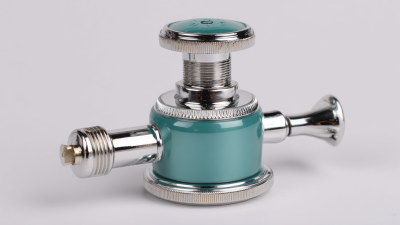
A portable sputum aspirator is an essential medical device used to collect respiratory secretions. Understanding its key components can clarify how it operates effectively. The device mainly consists of a motor, suction pump, collection bottle, and tubing. Each component plays a critical role in ensuring efficient sputum collection.
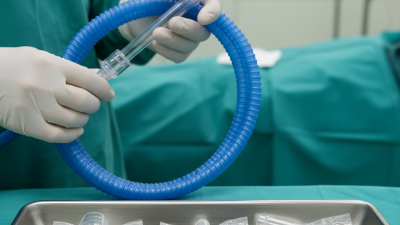
The motor powers the suction pump, creating the necessary negative pressure. This pressure pulls mucus and other fluids into the collection bottle. The collection bottle is usually made of transparent material, allowing easy monitoring of the sample volume. Tubing connects the components and facilitates smooth fluid flow. The design should be ergonomic, allowing convenient handling by healthcare providers.
While this device offers significant advantages, it has limitations. For instance, the suction force may vary between devices, affecting collection efficiency. Improper cleaning can lead to contamination. Understanding these nuances helps ensure better usage and efficacy in clinical settings. Regular training and awareness among healthcare professionals are vital for maximizing the benefits of portable sputum aspirators.
How Does a Portable Sputum Aspirator Work?
A portable sputum aspirator is a valuable medical device. It helps in collecting mucus from the lungs. This is essential for diagnosing respiratory conditions. Patients often need it during home healthcare or in emergencies.
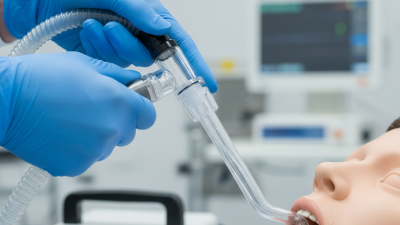
So, how does it work? The device uses a suction mechanism. A small tube connects to the patient's mouth or nose. When turned on, the aspirator creates a negative pressure. This pressure pulls the sputum into the collection chamber. Regular maintenance is vital. Clean the device thoroughly after each use to prevent contamination.
Tips: Always check the battery charge before use. A fully charged device ensures reliable function. Make sure the tubing is securely attached. Loose connections may reduce suction effectiveness. Proper handling is crucial for accurate results. It's important to consult a healthcare professional for guidance on usage.
Benefits of Using a Portable Sputum Aspirator
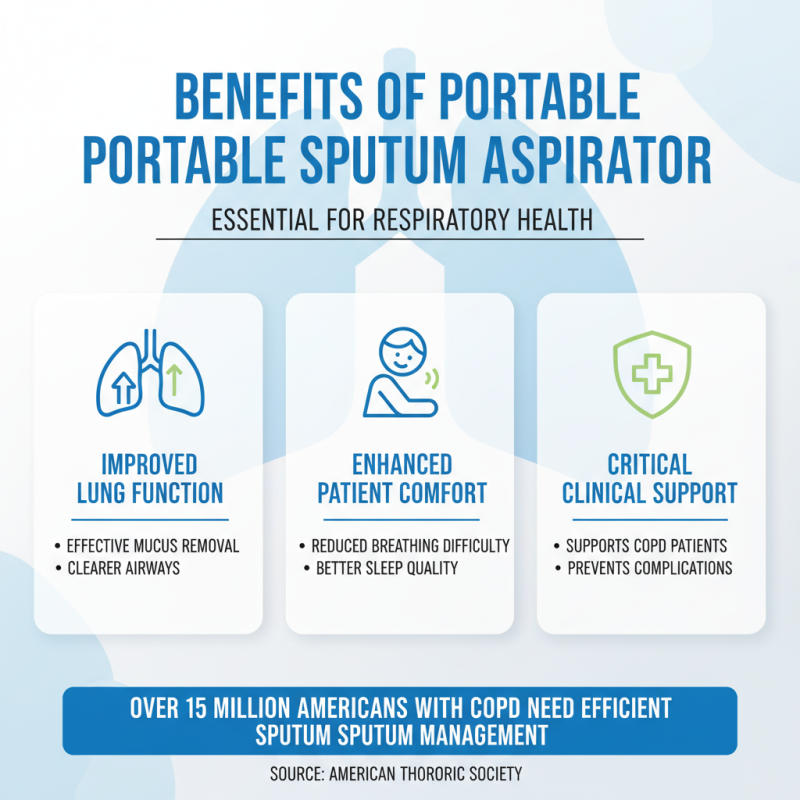
Portable sputum aspirators are essential in clinical settings, especially for patients with respiratory diseases. These devices effectively remove mucus from the airway, aiding in better lung function and comfort. A study from the American Thoracic Society highlights that over 15 million Americans suffer from chronic obstructive pulmonary disease (COPD), emphasizing the need for efficient sputum management.
One significant benefit of portable sputum aspirators is their ability to enhance patient mobility. Patients can use them at home, reducing hospital visits. It is estimated that 65% of patients prefer having their treatments at home. This convenience encourages adherence to treatment plans. However, adequate training for patients is crucial to ensure they use the device correctly.
Moreover, these aspirators can minimize infectious disease risks. A recent report indicates that effective sputum removal can reduce the risk of secondary infections by up to 30%. While these devices offer numerous advantages, improper usage can lead to complications. Regular assessments and demonstrations by healthcare professionals can bridge this gap, enhancing the overall efficacy of sputum management.
Common Applications and Uses in Medical Settings
A portable sputum aspirator is a crucial tool in various medical settings. Its primary purpose is to collect sputum samples from patients. This device is particularly beneficial for individuals with respiratory conditions. Clinicians rely on sputum samples to diagnose infections or other diseases. The aspirator helps ensure that the samples are obtained quickly and with minimal discomfort.
Common applications include use in hospitals, clinics, and at home. Medical professionals often use it for patients suffering from conditions like pneumonia or chronic obstructive pulmonary disease (COPD). In these situations, timely diagnosis is essential. Sputum aspirators can make the process smoother, especially in emergencies. They are portable, making them ideal for bedside use.
Tips: Always ensure the device is sterilized before use. Regular maintenance is key for reliable performance. Nurses and caregivers should be trained to operate the aspirator effectively. Keep patient comfort in mind; some might feel anxious during the procedure. Adjust the environment to make it as calming as possible. Offering reassurance may ease their fears.