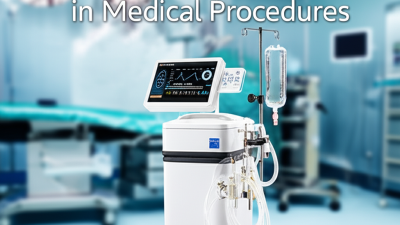
What is a Suction Machine and How Does it Work?
In the medical field, a Suction Machine plays a vital role in patient care. It is essential for clearing airways and extracting fluids. According to a report by the Global Medical Devices Market, the Suction Machine market is expected to grow significantly, reaching $1.2 billion by 2025. This growth highlights the increasing importance of these devices in hospitals and clinics.
Dr. Sarah Thompson, a renowned expert in respiratory care, states, "The Suction Machine is an indispensable tool in modern medicine." Her insight underscores the machine's role in saving lives, particularly in emergency situations. Proper use of a Suction Machine can prevent complications in patients recovering from surgeries or managing chronic conditions.
However, challenges exist. Not all healthcare professionals receive adequate training in using suction machines. This gap may lead to ineffective suctioning, risking patient safety. It is crucial for training programs to adapt and improve, ensuring everyone understands how to operate this lifesaving device effectively.
What is a Suction Machine? Definition and Overview
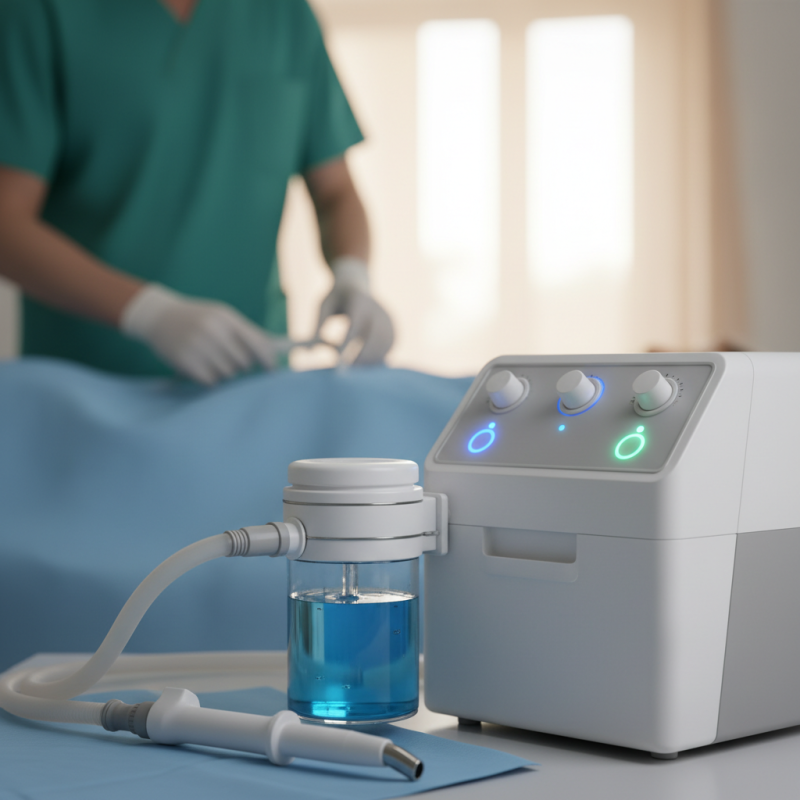
A suction machine is a vital medical device. It removes fluids, secretions, or obstructions from a patient's airway or other body cavities. This procedure is essential in various healthcare settings. The primary function is to maintain clear airways, especially in emergencies.
According to a report by the World Health Organization, proper suctioning can reduce the risk of aspiration pneumonia by up to 60%. This statistic emphasizes the importance of suction machines in patient care. Moreover, the design of these machines allows for controlled suction pressure. This is crucial to avoid tissue damage during the suctioning process.
**Tip:** Always check the suction pressure before use. Too high of a pressure can cause harm, while too low may be ineffective.
Suction machines can come with additional features such as alarms or built-in filters. However, these features may not always be present. It is essential to reflect on their functionality and ensure that all parts are in working order. Regular maintenance should not be overlooked, as malfunctioning equipment can compromise patient safety.
**Tip:** Create a routine for regular checks. This includes testing the machine and replacing worn-out parts as needed.
Suction Machine Utilization in Healthcare Facilities
This bar chart illustrates the number of suction machines utilized across different healthcare facility types. The data emphasizes the significance of suction machines in various medical environments, highlighting their importance in patient care and treatment procedures.
Types of Suction Machines: Portable vs. Stationary Models
Suction machines play a vital role in healthcare. They help remove fluids from a patient's airway. This promotes safer breathing and aids in recovery. Two primary types exist: portable and stationary models. Understanding the differences can help in selecting the right machine.
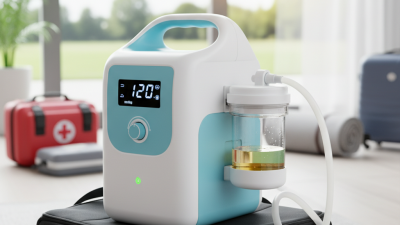
Portable suction machines are compact. They are ideal for home care and emergencies. Their lightweight design allows easy transport. However, battery life can be a concern. It's often limited. In contrast, stationary models are larger and powerful. They work well in clinics and hospitals. These machines offer continuous suction. But their size can be restrictive for mobility.
Tips: Always check the suction power before purchase. It is essential for effective performance. Consider your specific needs carefully. A portable model may suit some users better. Others might need the reliability of a stationary unit. Balancing convenience with function is key. Not every model fits all situations. Think about where you will use the device most often.
What is a Suction Machine and How Does it Work? - Types of Suction Machines: Portable vs. Stationary Models
| Type of Suction Machine |
Description |
Power Source |
Weight |
Typical Use Case |
| Portable |
Small, lightweight machines that can be easily moved and transported. |
Battery or AC power |
5-20 lbs (2-9 kg) |
Emergency medical situations, home care |
| Stationary |
Larger machines typically designed for fixed locations like hospitals. |
AC power |
50-100 lbs (23-45 kg) |
Surgical procedures, hospital wards |
| Battery-Operated |
Portable units that run on rechargeable batteries for mobility in various settings. |
Rechargeable battery |
10-25 lbs (4-11 kg) |
Field emergencies, outpatient settings |
| Handheld |
Small, handheld devices for quick suctioning in non-hospital settings. |
Manual or battery-powered |
1-5 lbs (0.5-2 kg) |
First aid kits, basic life support |
Key Components of a Suction Machine and Their Functions
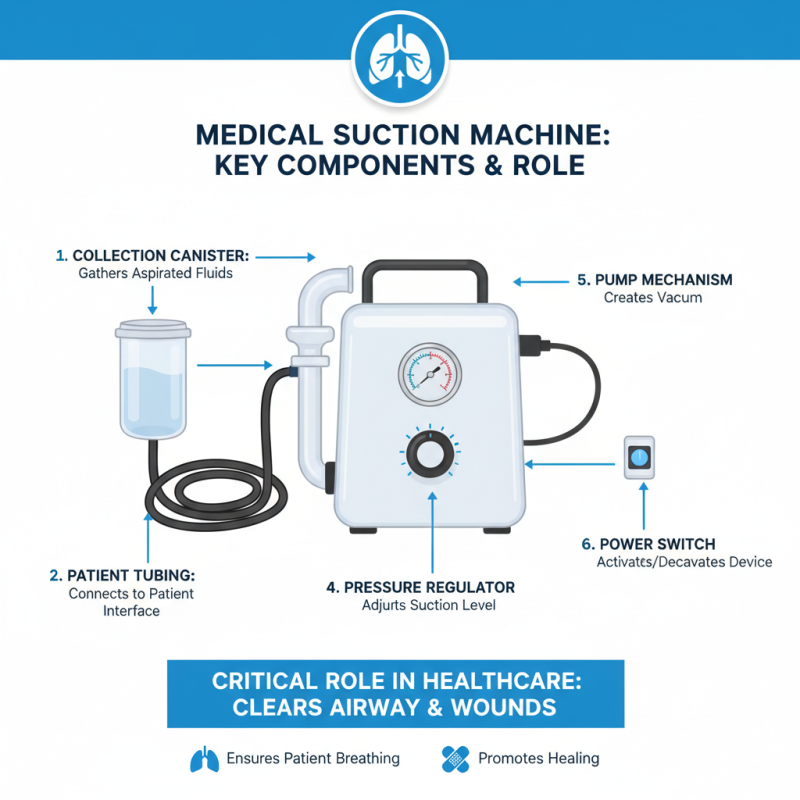
A suction machine is a vital medical device used to remove fluids or secretions from a patient's airway or wounds. Understanding its key components helps us appreciate its critical role in healthcare.
The machine consists of several essential parts. The motor provides power to create suction. It is usually loud, and some users find it unsettling. The suction canister collects the fluids. Care must be taken to monitor the canister's fill level to prevent overflow, which can lead to messy situations. The tubing connects the canister to a suction tip, where clinicians apply it to the patient. Sometimes, the tubing can become kinked, hindering suction and requiring adjustment.
In addition, the flow regulator controls the suction strength. It allows healthcare providers to adjust the pressure as needed. However, finding the right balance can be tricky. Too much pressure can damage tissues, while too little may not effectively clear blockages. Thus, familiarizing oneself with these components is essential for proper handling and patient safety. Using a suction machine is both a science and an art, requiring care and constant vigilance.
How Suction Machines are Used in Medical Settings and Procedures
In medical settings, suction machines play a crucial role. They remove fluids and debris from patients' airways during procedures. This is vital in emergencies, clearing obstructions to aid breathing. For instance, patients undergoing surgery may need suction to prevent fluid buildup.
Suction machines are often used in various procedures, such as intubation or wound care. They help keep the surgical area clear. However, improper use can lead to complications. Operators must be trained to ensure safety. This includes knowing the right pressure levels and suction duration.
Despite their benefits, not all medical staff may handle these machines well. Some may rush the process or fail to monitor patients properly. This can result in discomfort or injury. Continuous training and awareness are necessary to enhance their effectiveness in patient care.
Safety Standards and Maintenance for Suction Machines in Healthcare
Suction machines play a crucial role in healthcare settings. They are essential for clearing airways in patients. However, their safe use requires strict adherence to safety standards. Regular maintenance ensures they function effectively. Neglecting this can lead to malfunction at critical moments.
Cleaning the machine is vital. Infections can arise from contaminated equipment. Staff must be trained on proper cleaning protocols. Filters need to be checked often, as they can clog quickly. This oversight may compromise patient safety. Regular inspections are essential to identify any issues before they escalate.
Staff must also be mindful of power sources. A backup system is necessary during outages. Equipment should be tested regularly to ensure readiness. Errors in operation can happen and lead to dangerous situations. Reflections on past incidents may help improve future practices. Attention to detail is always required in this environment.