What is a Suction Unit and How Does it Work?
A Suction Unit is an essential device used in various medical and industrial settings. It removes unwanted substances, such as fluids and debris, ensuring a clean workspace or treatment area. Dr. John Matthews, a leading expert in medical device technology, emphasizes, “A Suction Unit is crucial for effective patient care.” His insights highlight the device's importance in healthcare.
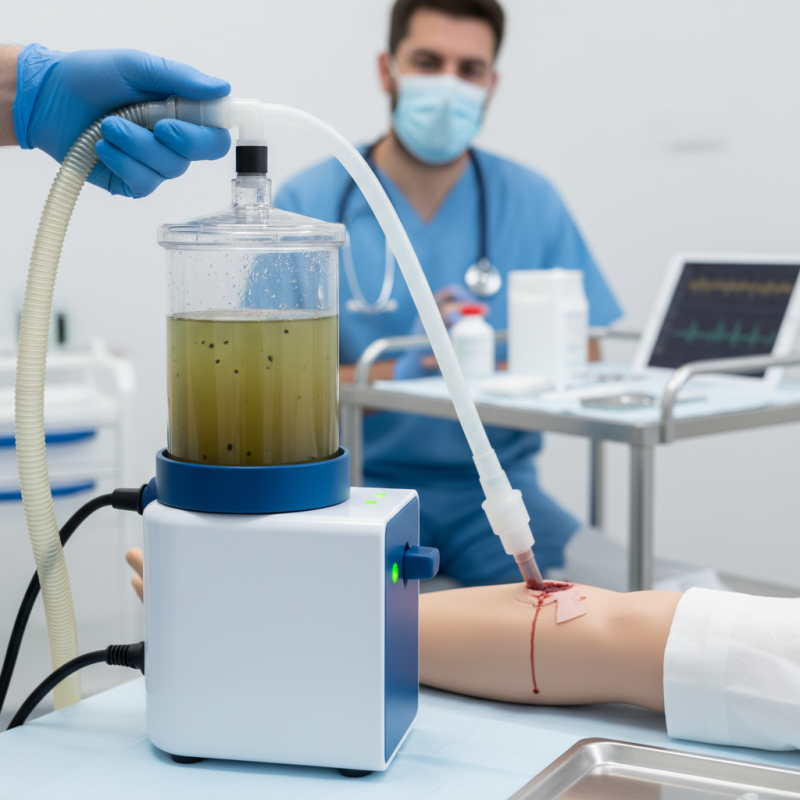
The mechanics behind a Suction Unit may seem straightforward; however, they involve complex engineering. These units typically consist of a motor, collection canister, and tubing. The motor creates a vacuum that draws fluids into the canister. This process is vital, but it requires regular maintenance to ensure efficiency. Frequent checks on the canister are necessary to prevent overflow and contamination.
While Suction Units are reliable, users must remain vigilant. A malfunctioning unit can compromise patient safety. Regular training for staff operating these devices is critical to minimize risks. Even simple mistakes can lead to serious consequences, underscoring the need for ongoing education and adherence to safety protocols.
Definition and Overview of Suction Units in Medical Settings
A suction unit is an essential device used in medical settings. Its primary function is to remove bodily fluids, secretions, and debris from patients. Medical professionals rely on these units for various procedures, such as during surgeries or emergencies. By keeping the airways clear, suction units support patient safety and comfort.
These devices operate through a vacuum mechanism. When activated, they create negative pressure, drawing in fluids through a tubing system connected to a collection canister. The design of suction units emphasizes ease of use and cleanliness, ensuring that medical staff can operate them effectively during critical moments. However, improper use can lead to complications, such as accidental damage to tissues or inadequate suction.
Suction units come in various sizes and configurations. A portable unit may be used in ambulances, while larger stationary units are found in operating rooms. Despite their importance, maintenance is often overlooked. Regular checks are necessary to ensure functionality and safety. Understanding the mechanics and care of suction units is crucial for healthcare providers. Proper training can minimize risks and enhance patient care.
What is a Suction Unit and How Does it Work? - Definition and Overview of Suction Units in Medical Settings
| Feature |
Description |
Applications |
Safety Features |
| Type |
Portable Electric Suction Units |
Emergency medical services, surgeries |
Overflow protection, automatic shut-off |
| Power Source |
Rechargeable battery or AC power |
Home care, hospitals |
Audible alarms, indicator lights |
| Suction Pressure |
Varies from -80 to -600 mmHg |
Clearing airways, fluid removal |
Adjustable pressure settings |
| Components |
Pump, collection canister, tubing |
During CPR, intubation |
User-friendly interfaces, filters |
| Maintenance |
Regular cleaning and inspection |
Routine hospital procedures |
Maintenance logs, service reminders |
Key Components and Functionality of Suction Units Explained
Suction units are crucial in many medical and industrial settings. They effectively remove fluids or debris, ensuring a clean and safe environment. Understanding their key components can enhance their functionality.
A primary component is the suction pump. This device creates a vacuum, drawing in unwanted fluids. Most pumps are designed for specific applications, from surgical use to laboratory settings. Another vital element is the collection canister. This canister not only collects debris but also features safety mechanisms to prevent spills. Avoiding overfilling is essential; it can lead to mess and inefficiency.
Tips: Always inspect the suction unit before use. Regular maintenance is vital for optimal performance. Clean the canister regularly to prevent contamination. Consider the unit’s portability. A lightweight design can make a significant difference in emergency situations.
The tubing connected to the suction unit plays an important role as well. It should be the right size to ensure efficient suction. Badly fitted tubing can reduce effectiveness significantly. Users should be aware of the limitations of their equipment. Overusing a suction unit can lead to mechanical failure. Being cautious and informed enhances safety in any operation.
Applications of Suction Units in Patient Care and Emergency Services
Suction units are vital in patient care and emergency services. They are used to clear airways by removing secretions, blood, and other obstructions. Studies have shown that effective airway management reduces morbidity rates in critically ill patients by over 30%. Emergency responders rely on suction units to maintain clear airways in trauma situations.
In hospitals, suction units are essential for surgical procedures. Proper suctioning minimizes contamination and improves patient outcomes. A report from the Journal of Surgical Research indicated that complications decreased by 25% when suction was used efficiently during operations. Suction units are also a critical part of neonatal care. They help ensure that newborns breathe properly by clearing mucus immediately after birth.
Despite their importance, many healthcare providers face challenges with suction unit use. Issues like equipment failure and inadequate training are common. According to a survey conducted by the National Association of Emergency Medical Technicians, about 15% of responders reported unavailability of suction devices during critical situations. This raises concerns about the consistency and reliability of suctioning in emergencies. Addressing these issues is crucial for improving patient care outcomes.
Future Innovations and Trends in Suction Unit Technology
The landscape of suction unit technology is evolving rapidly. Innovations in this field focus on efficiency, portability, and enhanced performance. Recent industry reports indicate a projected growth of 7.5% annually in suction device demand through 2028. This shift is largely driven by advancements in battery technology and materials science.
One notable trend is the miniaturization of suction units. Compact designs enable usage in more diverse settings, from ambulances to home care. Technologies like smart sensors are also gaining traction. They improve suction effectiveness by adjusting to varying fluid densities automatically.
Despite these advancements, challenges remain. Many suction devices still suffer from issues related to noise and maintenance. Users often report that while performance is adequate, device weight can hinder usability. The industry needs to address these limitations while embracing sustainability. As the demand for eco-friendly designs grows, manufacturers must incorporate recyclable materials into their products.
Suction Unit Technology Trends
This chart represents the adoption rates of different suction unit types in the industry. The data indicates that portable suction units are the most widely used, while manual suction units have the least adoption. As technological advancements continue, we can expect changes in these trends.