Top Tips for Choosing an Anti Decubitus Mattress for Comfort
Choosing the right Anti-Decubitus Mattress is crucial for anyone at risk of pressure ulcers. According to the National Pressure Injury Advisory Panel, nearly 2.5 million patients develop pressure injuries annually in the United States. These injuries can lead to severe complications and increased healthcare costs. An effective Anti-Decubitus Mattress can help prevent these conditions by redistributing pressure.
When selecting an Anti-Decubitus Mattress, comfort and support are key factors. Different materials, such as memory foam and air-filled systems, offer varying levels of pressure relief. Studies have shown that patients using specialized mattresses experience improved comfort and reduced skin damage. However, one must also consider personal needs and preferences, as not all mattresses suit every individual.
It’s easy to overlook the importance of trying out mattresses before purchasing. Many people may choose a product based solely on recommendations rather than personal experience. This can lead to dissatisfaction or even a worsening of their condition. Taking the time to test different options can lead to better outcomes and greater overall satisfaction.
Understanding Decubitus Ulcers and Their Impact on Comfort
Decubitus ulcers, also known as pressure sores, can significantly impact a person’s comfort. These painful sores form when pressure cuts off blood flow to the skin. Those with limited mobility are particularly at risk. Understanding how these ulcers develop can help in choosing the right mattress.
A high-quality anti-decubitus mattress can relieve pressure points, promoting better blood circulation. Look for mattresses that distribute weight evenly. Features like adjustable firmness and breathable materials are essential. This ensures comfort throughout the night. However, not every mattress meets every individual's needs. Each person's body shape and sleeping position matter.
Regularly assessing the mattress is necessary. Changes in comfort levels might indicate the need for a replacement. Consider consulting healthcare professionals for personalized recommendations. Investing in comfort ultimately enhances overall well-being. It's crucial to prioritize your comfort and skin health, as the consequences of neglecting these factors can be severe.
Key Features to Look for in an Anti-Decubitus Mattress
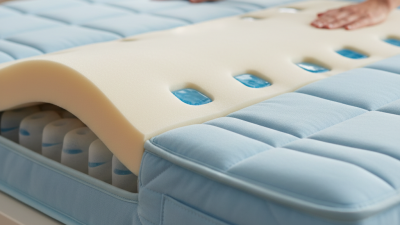
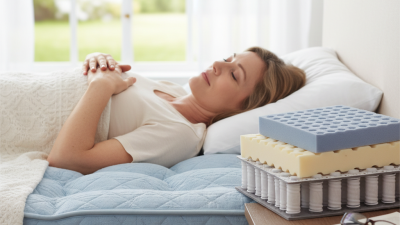
When selecting an anti-decubitus mattress, certain key features are crucial for comfort and effectiveness. Pressure relief is paramount; studies show that 90% of pressure injuries occur due to prolonged sitting or lying down. A high-quality mattress should have materials designed to distribute body weight evenly, reducing pressure points. Memory foam and gel-infused layers are popular choices, as they adapt to body contours while providing necessary support.
Another vital aspect is breathability. Proper airflow prevents moisture build-up, a common issue linked to skin breakdown. Some reports suggest that breathable mattresses can reduce the risk of ulcers by 30%. Look for models with ventilation systems or open-cell structures, which enhance airflow and regulate temperature.
Durability also matters significantly. Evidence indicates that mattresses with a lifespan of over five years maintain their effectiveness better. Regular assessments of wear and tear are essential. A well-chosen mattress should retain its integrity under daily use. Reflect on your personal comfort needs and ensure that your mattress suits your specific requirements. Prioritizing these features can lead to a more comfortable sleep and better health outcomes.
Top Tips for Choosing an Anti Decubitus Mattress for Comfort
Different Types of Anti-Decubitus Mattresses and Their Benefits
When selecting an anti-decubitus mattress, understanding the different types can significantly enhance comfort. Foam mattresses are popular for their pressure-relieving properties. These mattresses can reduce the risk of bedsores by distributing body weight evenly. According to a study from the National Pressure Injury Advisory Panel (NPIAP), pressure ulcers affect 2.5 million patients annually in the U.S. alone. This highlights the necessity of choosing the right mattress for effective prevention.
Alternating pressure mattresses are another option. These utilize air cells that inflate and deflate in a cyclical pattern. This movement helps maintain circulation and reduces skin pressure. Research indicates that alternating pressure systems can lead to a 65% reduction in the incidence of pressure ulcers over traditional foam mattresses. Despite their effectiveness, the complexity of these systems can be daunting. Users often express concerns about the noise and potential maintenance involved.
Gel mattresses also deserve attention. They offer cooling properties and enhanced comfort through temperature regulation. The gel layer absorbs body heat, which can enhance sleep quality. However, some users report that gel mattresses may not provide sufficient support for heavier individuals. Finding the perfect balance of support and comfort remains a challenge. It is crucial to assess personal needs and potential drawbacks before making a decision.
Factors to Consider for Optimal Support and Pressure Relief
Choosing the right anti-decubitus mattress is crucial for comfort and health. When looking for optimal support, consider the mattress's materials. High-density foam or gel layers can offer excellent pressure relief. The more breathable the materials, the better the air circulation. This helps reduce moisture buildup, which can lead to skin irritations.
Weight support is another vital factor. The mattress should adjust to the user's weight without sinking too much. This balance can prevent pressure points. Additionally, look for adjustable features. Some mattresses allow users to change firmness settings. This adaptability can make a significant difference in comfort levels. However, it’s essential to test different settings to find what works best.
Pay attention to the size of the mattress too. Ensure that it fits the bed frame properly. A mismatched fit can lead to discomfort. Check if the mattress provides edge support as well. Weak edges can make entering and exiting the bed challenging, particularly for those with mobility issues. While exploring options, remember that personal preferences matter greatly. What feels right to one person may not suit another. Never skip the chance to try before you buy.
How to Properly Maintain and Care for an Anti-Decubitus Mattress
Proper maintenance and care of an anti-decubitus mattress are crucial for ensuring its effectiveness. Regular cleaning is a must. Use a damp cloth with mild soap to wipe down surfaces. This prevents dust and bacteria buildup. Avoid harsh chemicals that might damage the material. Given that the mattress is often in contact with skin, it needs to stay hygienic.
Periodic inspection is also important. Check for any wear and tear. Look for leaks or punctures in air-filled models. A small hole can decrease its effectiveness. If you notice any issues, repair them immediately. This proactive approach can extend the mattress's lifespan.
Additionally, rotate the mattress as recommended by the manufacturer. This helps distribute wear evenly. Some users neglect to do this, which can lead to uneven support. Always follow the specific guidelines for your mattress type. Keeping a record of maintenance can help identify patterns. Ultimately, caring for your mattress contributes significantly to comfort and health.