Top 10 Tips for Choosing the Best Mobile Suction Machine for Your Needs
When it comes to medical equipment, choosing the right tools can significantly impact patient care. One essential device in healthcare settings is the Mobile Suction Machine, which plays a critical role in clearing airways and ensuring patients can breathe safely and effectively. With various options available on the market, making an informed decision can be overwhelming. The right mobile suction machine not only enhances the efficiency of healthcare providers but also ensures patient comfort and safety, which is why understanding the key features and specifications is vital.
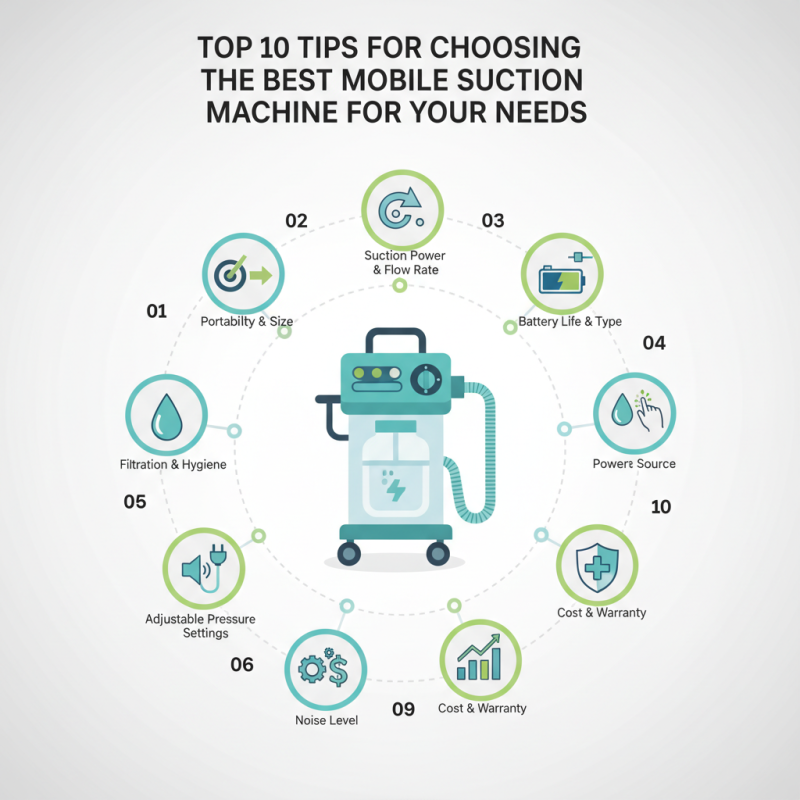
In this guide, we will explore the top ten tips for selecting the best mobile suction machine suited to your specific needs. From considering the machine's portability to assessing its suction power and durability, each tip will help you identify the most suitable device for your healthcare setting. Whether you're a healthcare professional, a caregiver, or a facility manager, knowing what to look for in a mobile suction machine will empower you to make the best choice, ultimately improving patient outcomes and operational efficiency.
Understanding Mobile Suction Machines: Definitions and Uses
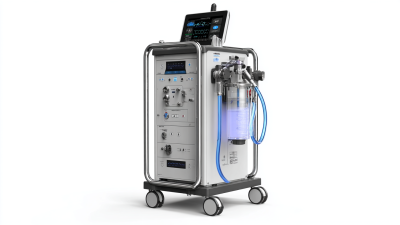
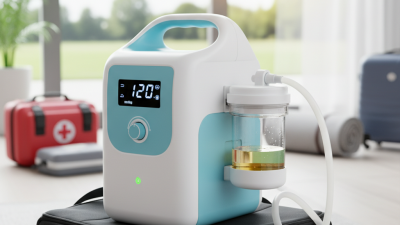
Mobile suction machines are essential medical devices designed to remove fluids, secretions, and debris from a patient's airway or surgical site. Their portability allows for use in various settings, including hospitals, clinics, and home care situations. These machines are typically equipped with adjustable suction levels, making them versatile tools for healthcare providers to ensure airway management and patient comfort.
When selecting the right mobile suction machine, consider the type of treatments involved. For example, if the machine will be used primarily for patients with respiratory issues, look for one that offers fine control over suction intensity and has a capacity suitable for frequent use. Additionally, evaluating the ease of cleaning and maintenance is important, as this directly impacts hygiene and operational longevity.
Another critical tip is to prioritize portability and battery life, especially if the device will be used in various locations. Opt for a lightweight design that includes an efficient battery to ensure the machine can operate continuously without needing frequent recharges. By assessing your particular needs and understanding the functions of these devices, you can make an informed decision when choosing the best mobile suction machine for your requirements.
Key Features to Consider When Selecting a Mobile Suction Machine
When selecting a mobile suction machine, understanding the key features is crucial to ensuring it meets your specific needs. One of the first aspects to consider is the machine’s suction power. Look for models that offer adjustable levels of suction strength, as this versatility can be particularly beneficial in different medical situations, allowing for effective fluid removal without causing trauma.
Another important feature is portability. The design and weight of the machine play a significant role in its usability, especially in emergency situations where quick response times are essential. Consider options with sturdy wheels or handles for easy transport, as well as a compact design for straightforward storage. Battery life is equally critical; a machine that can operate for extended periods without needing a recharge ensures it can be relied upon during critical times. Additionally, ensure that the device is easy to clean and maintain, as hygiene is paramount in medical equipment to prevent infections and ensure patient safety.
Evaluating Suction Power: Importance of Pressure and Flow Rate
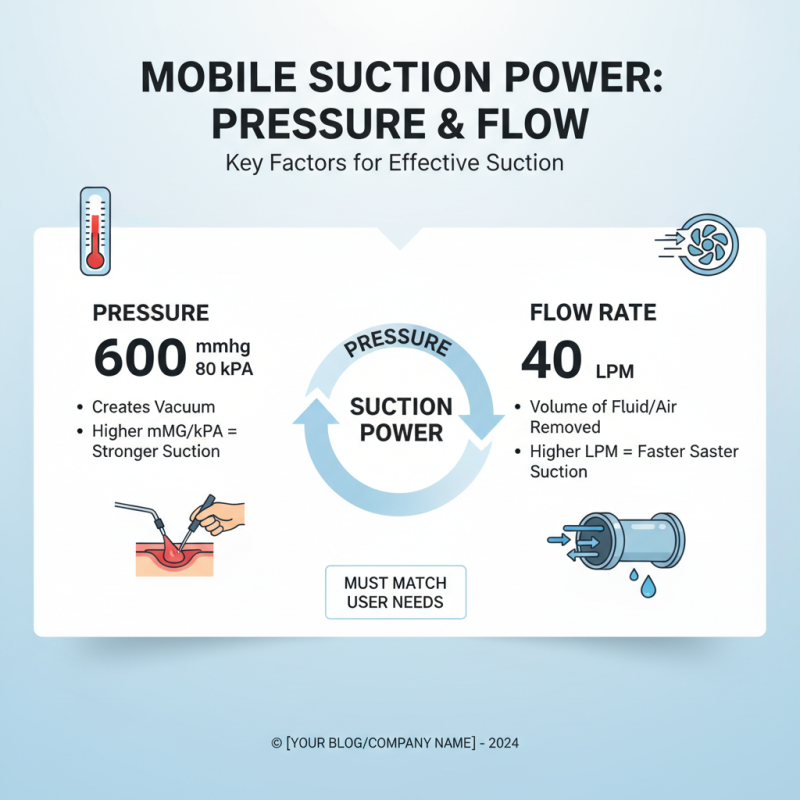
When selecting a mobile suction machine, evaluating suction power is crucial, particularly focusing on pressure and flow rate. Suction power is fundamentally determined by these two parameters, which must align with the specific needs of the user. Pressure, measured in millimeters of mercury (mmHg) or kilopascals (kPa), indicates the machine's ability to create a vacuum strong enough to effectively remove fluids or debris. A higher pressure rating typically signifies more efficient suction, making it vital for applications requiring rapid and thorough suction capability.
Flow rate, on the other hand, refers to the volume of air or liquid a suction machine can handle per unit of time, typically measured in liters per minute (L/min). An optimal flow rate ensures that the machine can handle the expected workload without becoming obstructed or losing performance. It's important to choose a machine that balances both pressure and flow rate to cater to diverse situations, from minor first aid to more complex medical scenarios. Evaluating these specifications helps ensure that the suction machine not only meets your immediate requirements but also provides reliability and efficiency in critical situations.
Battery Life and Portability: Essential Factors for Mobile Usage
When selecting a mobile suction machine, battery life and portability are two critical factors that can greatly influence your experience. A device with extended battery life ensures that you can rely on it throughout the day without the constant worry of finding a charging station. Look for models that offer a minimum of several hours of operation on a single charge. This is particularly important in emergency situations or when you are in a remote location, as the last thing you want is to be left without power when you need it most.
Portability is equally essential for mobile usage. The machine should be lightweight and compact enough to be easily transported, whether it’s in a vehicle or by hand. Consider the design and materials used in the construct to ensure durability while maintaining a manageable weight. Features such as ergonomic handles and wheels can enhance mobility, making it easier to maneuver in tight spaces. Ultimately, selecting a suction machine that balances excellent battery life with portability will enhance flexibility and reliability, meeting your specific needs whenever and wherever necessary.
Battery Life and Portability Comparison of Mobile Suction Machines
Compliance and Safety Standards in Medical Suction Equipment
When selecting a mobile suction machine, compliance and safety standards play a crucial role in ensuring patient safety and effective operation. Medical suction equipment must adhere to the guidelines set forth by organizations such as the FDA and IEC. According to a report by the World Health Organization, approximately 80% of healthcare-associated infections can be linked to improper use of medical equipment, underscoring the importance of high-quality, compliant suction machines in clinical settings.
One critical standard for suction devices is the performance requirement to maintain consistent negative pressure while being portable. The IEC 60601-1 standard specifies the essential performance and safety requirements that medical electrical equipment must meet, which includes electric shock protection and safe use in a patient environment. A study published in the Journal of Medical Device Regulation found that devices failing to meet these compliance standards were 3.5 times more likely to lead to adverse patient outcomes. Therefore, it is vital for medical professionals to prioritize suction machines that showcase rigorous compliance with these safety standards, ensuring not only their functionality but also the overall well-being of patients relying on these essential medical tools.