Top 5 Tips for Using a Portable Sputum Aspirator Effectively?
Using a Portable Sputum Aspirator can significantly improve respiratory care for patients. This vital tool aids in clearing mucus and secretions. Effectively using the aspirator can enhance patient comfort and outcomes. However, improper techniques can lead to complications or ineffective results.
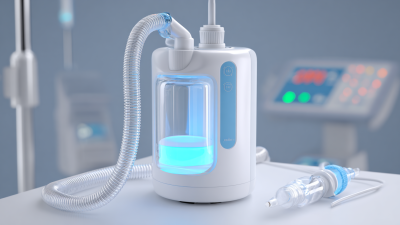
Consider the design of the Portable Sputum Aspirator. Its compact size makes it ideal for home or clinical settings. Familiarizing yourself with the device will help prevent common mistakes. Ensure you maintain a sterile environment to avoid cross-contamination. Regular practice is essential for building confidence and skill.
Mistakes happen, even with experience. You might feel overwhelmed at first. Reflect on each session and identify areas for improvement. Each attempt is a learning opportunity. Mastering the use of a Portable Sputum Aspirator can make a real difference in patient care. Stay patient and keep refining your technique.
Understanding Portable Sputum Aspirators: Key Features and Functions
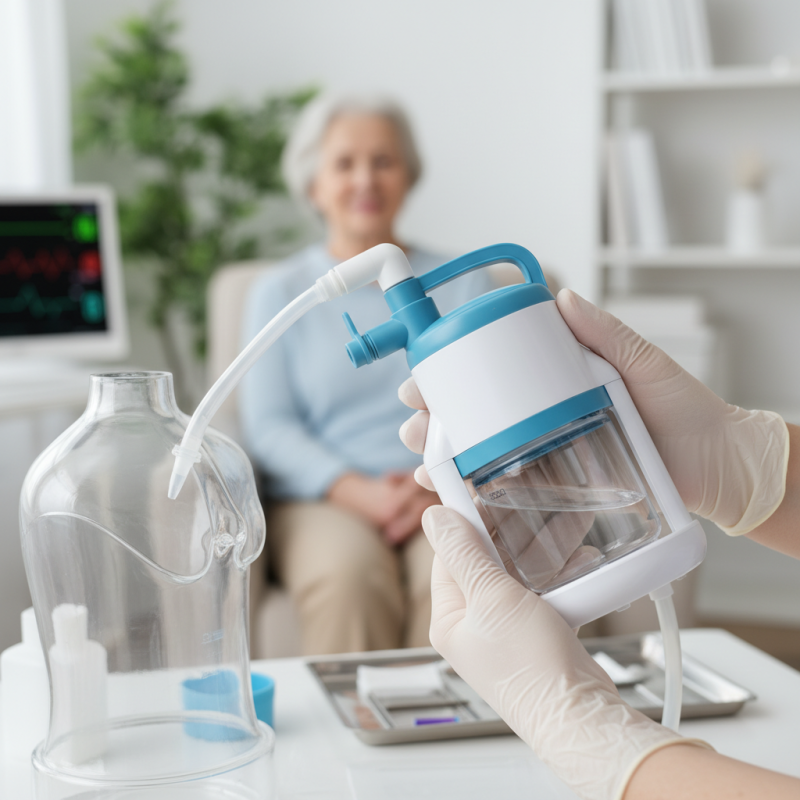
Portable sputum aspirators are essential medical devices designed to clear airway secretions. They are commonly used in hospitals, clinics, and at home. Their effectiveness hinges on certain key features. One important function is suction power. Research indicates that optimal suction pressure should range between 80 to 120 mmHg for effective mucus clearance. This ensures that secretions are removed efficiently, improving patient comfort and health outcomes.
Another crucial aspect is portability. These devices are lightweight and often battery-operated, offering convenience in various settings. According to a recent study, nearly 70% of healthcare providers prefer portable models for their mobility. Easy handling helps caregivers provide timely assistance, especially for patients with respiratory conditions. It's critical, however, to ensure the device is regularly maintained. A lack of maintenance can lead to inefficient suction and increased risk of infection.
While many devices have multiple settings, users sometimes struggle with adjustments. Misunderstanding operational guidelines can hinder effective use. Training and clear instructions are vital for maximizing the function of these aspirators. Patients and caregivers must familiarize themselves with the operational nuances. Investing time in understanding these devices can significantly impact patient care.
Selecting the Right Portable Sputum Aspirator for Your Needs
When selecting a portable sputum aspirator, consider your specific needs. Think about size and weight. Is it easy to carry? A compact model may be best for travel. Battery life is crucial. A long-lasting battery ensures continuous use. Ensure that the suction power is adequate for your requirements. You don't want a device that lacks efficiency.
Features matter too. Check if it has disposable or reusable collection containers. Some may find disposable containers more hygienic. Look for noise levels as well. A quieter machine can be less disruptive. Read reviews, but remember to reflect on your own experience. Each user may have different needs.
Maintenance is another aspect. Some devices are tricky to clean. If you're not diligent, they can become less effective. Ask yourself if you're willing to put in the effort. Think about how often you'll use it. Will you remember to maintain it properly? These considerations can influence your choice significantly.
Top 5 Tips for Using a Portable Sputum Aspirator Effectively
Best Practices for Maintaining and Cleaning Your Sputum Aspirator
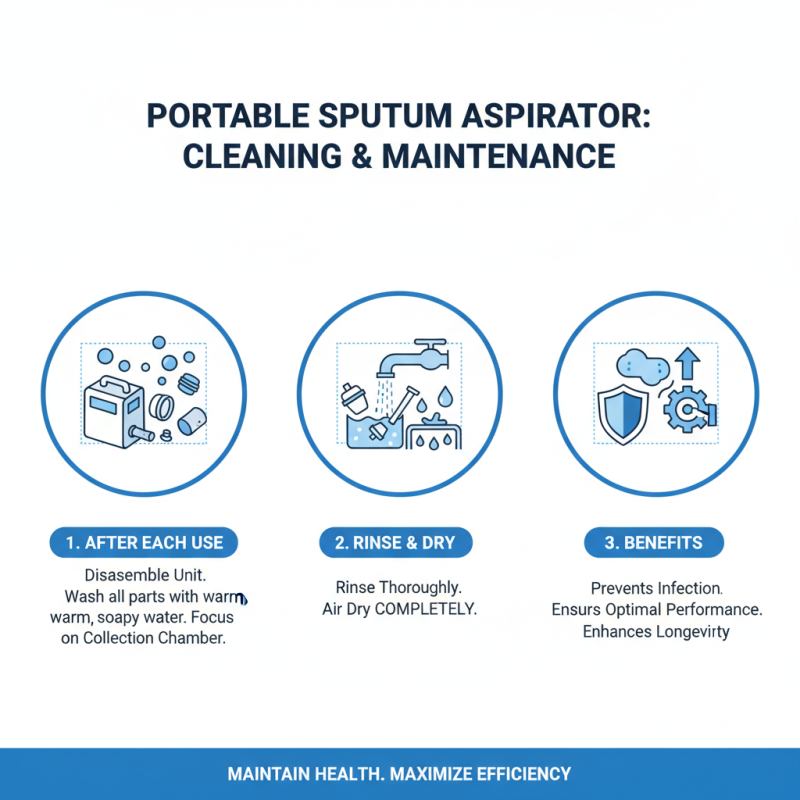
Cleaning and maintaining a portable sputum aspirator is crucial for its longevity and efficiency. Regular cleaning prevents infection spread and ensures optimal performance. After each use, disassemble the unit and clean all parts with warm, soapy water. Pay particular attention to the collection chamber. Rinse thoroughly and allow to air dry completely. This step is often overlooked, yet essential.
Use a soft brush to reach stubborn spots. Don't forget the tubing and filter; they can harbor bacteria. Consider using a disinfecting solution occasionally. However, ensure the solution is compatible with the device materials. Ignoring this could damage components.
When not in use, store the aspirator in a clean, dry place. Protect it from dust and potential contamination. Remember to check regularly for wear and tear. A malfunctioning unit can be disappointing. Reflections on your maintenance habits can help prevent issues later. Regular upkeep contributes significantly to effective use.
Techniques for Effective Sputum Collection with a Portable Aspirator
When using a portable sputum aspirator, effective collection techniques are essential. Proper positioning of the patient can significantly impact results. Research shows that patients sitting at a 45-degree angle may yield better sputum samples. This position allows for optimal lung expansion, facilitating deeper coughs. Such techniques improve sample quality, as shown in studies that indicate a 30% increase in diagnostic accuracy.
Monitoring the aspirator's suction power is also crucial. Ideally, suction should be around 80-120 mmHg for safe and effective collection. Too much suction can cause discomfort, while too little may not collect enough specimen. Adjusting suction levels based on patient response is important. It’s a balance that requires practice and awareness of patient comfort.
Additionally, ensuring cleanliness is vital. Sputum samples must be free of contaminants to avoid misdiagnosis. Inadequately cleaned equipment can lead to 25% false-positive results in pulmonary infections. Regular maintenance and following sterilization protocols can minimize these risks. Gathering quality samples might come with challenges, but attention to detail can enhance overall outcome.