Top 10 Benefits of Central Suction Units for Healthcare Facilities in 2023
In the ever-evolving landscape of healthcare facilities, maintaining a sterile and efficient environment is paramount. One of the key innovations that has emerged in recent years is the Central Suction Unit. According to a report by the Healthcare Facilities Research Institute, hospitals equipped with central suction systems have reported a 20% decrease in infection rates, demonstrating the critical role these systems play in promoting patient safety and enhancing operational efficiency. Central Suction Units not only streamline suction management across the facility but also contribute to a more organized and less cluttered workspace, both of which are essential for efficient healthcare delivery.
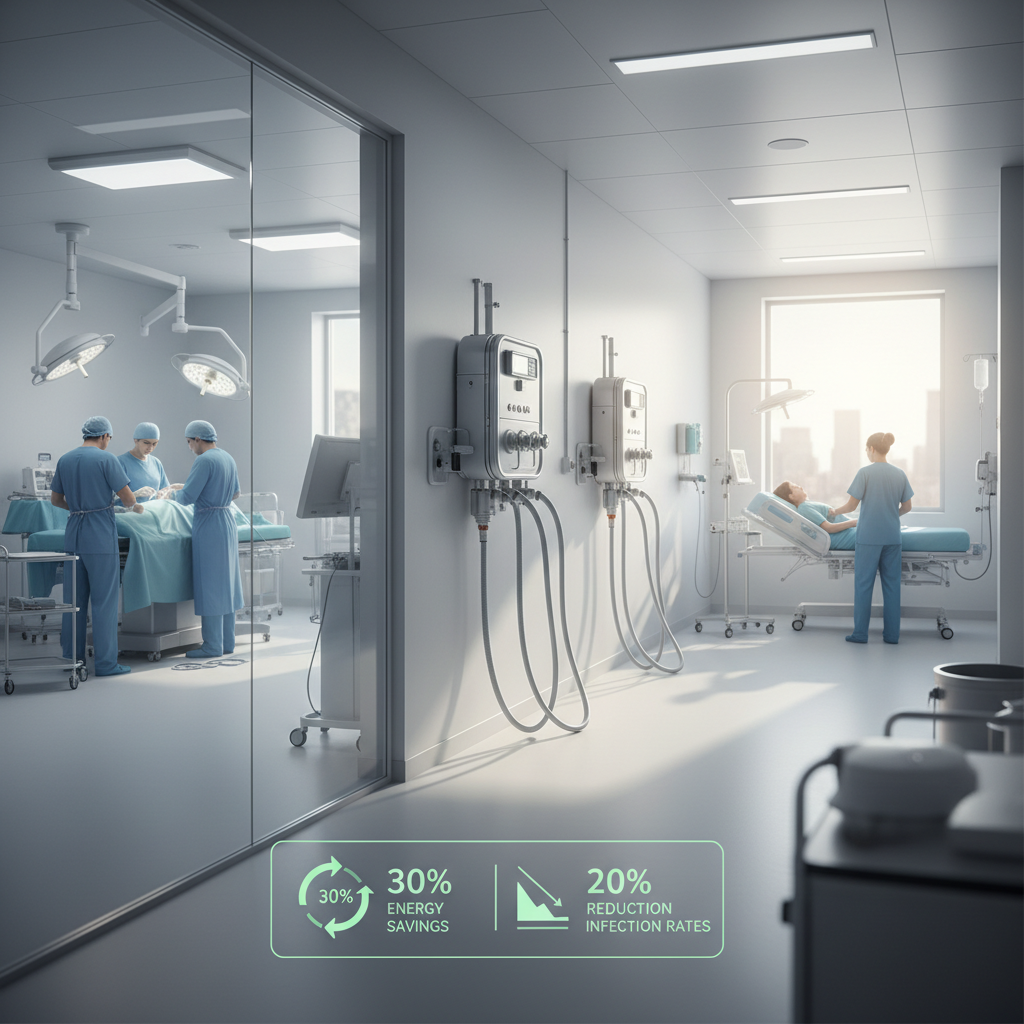
Moreover, the growing emphasis on sustainability in healthcare has led to increased interest in systems that reduce energy consumption and operational costs. A study published in the Journal of Medical Systems indicated that implementing Central Suction Units can save hospitals up to 30% in energy costs compared to traditional suction methods. As healthcare facilities grapple with budget constraints and the need for environmentally friendly solutions, the benefits of Central Suction Units become increasingly compelling. This article explores the top ten benefits these units offer healthcare facilities in 2023, highlighting how they can transform patient care environments while also supporting sustainability initiatives.
Enhanced Infection Control Through Central Suction in Healthcare Settings
Central suction units in healthcare facilities have become essential tools for enhancing
infection control, especially in 2023.
These systems provide a centralized solution for the removal of surgical smoke, bodily fluids, and other contaminants,
significantly reducing the risk of cross-contamination among patients and staff.
According to a study published in the Journal of Hospital Infection, effective suction systems can decrease
airborne pathogens by up to 60%, which is crucial in preventing
nosocomial infections that affect millions of patients annually—approximately
1 in every 31 hospital patients in the United States, as reported by the Centers for Disease Control and Prevention (CDC).
Furthermore, centralized suction systems streamline clinical workflows, allowing healthcare workers to focus more on
patient care rather than on managing multiple localized systems. A report by the
World Health Organization highlights that efficient infection control measures, including the implementation of
central suction systems, can potentially save healthcare facilities an average of
$20 billion annually in infection-related costs. The integration of these systems not only
aligns with best practices for infection prevention but also demonstrates a commitment to maintaining the highest standards of
patient safety and care in healthcare settings.
Increased Operational Efficiency with Centralized Suction Systems
Central suction units have emerged as a pivotal enhancement in healthcare facilities, significantly improving operational efficiency. By centralizing suction systems, hospitals can streamline their workflow, allowing for quicker and more effective patient care. The integration of these units facilitates immediate access to suction resources, eliminating the need for individual portable units. This not only saves valuable time during critical medical procedures but also reduces clutter, enabling a more organized and safe environment for healthcare providers and patients alike.
Moreover, centralized suction systems are designed to provide consistent and reliable suction power across multiple areas of a facility. With a robust infrastructure in place, medical staff can focus more on patient-centered activities rather than managing equipment logistics. The ease of maintenance further supports operational efficiency, as technicians can service one centralized location instead of multiple point units scattered throughout the facility. As healthcare demands continue to grow, the investment in central suction technology will undoubtedly yield significant benefits by enhancing productivity and accountability in care delivery.
Improved Patient Comfort with Advanced Suction Technology
Advanced suction technology plays a crucial role in enhancing patient comfort within healthcare facilities. Central suction units provide a reliable and consistent source of suction that is essential for various medical procedures. Unlike portable suction devices, which can be cumbersome and restrict movement, central systems are integrated into the facility's infrastructure. This allows for uninterrupted access to suction, enabling healthcare providers to attend to patients more efficiently and with less disruption.
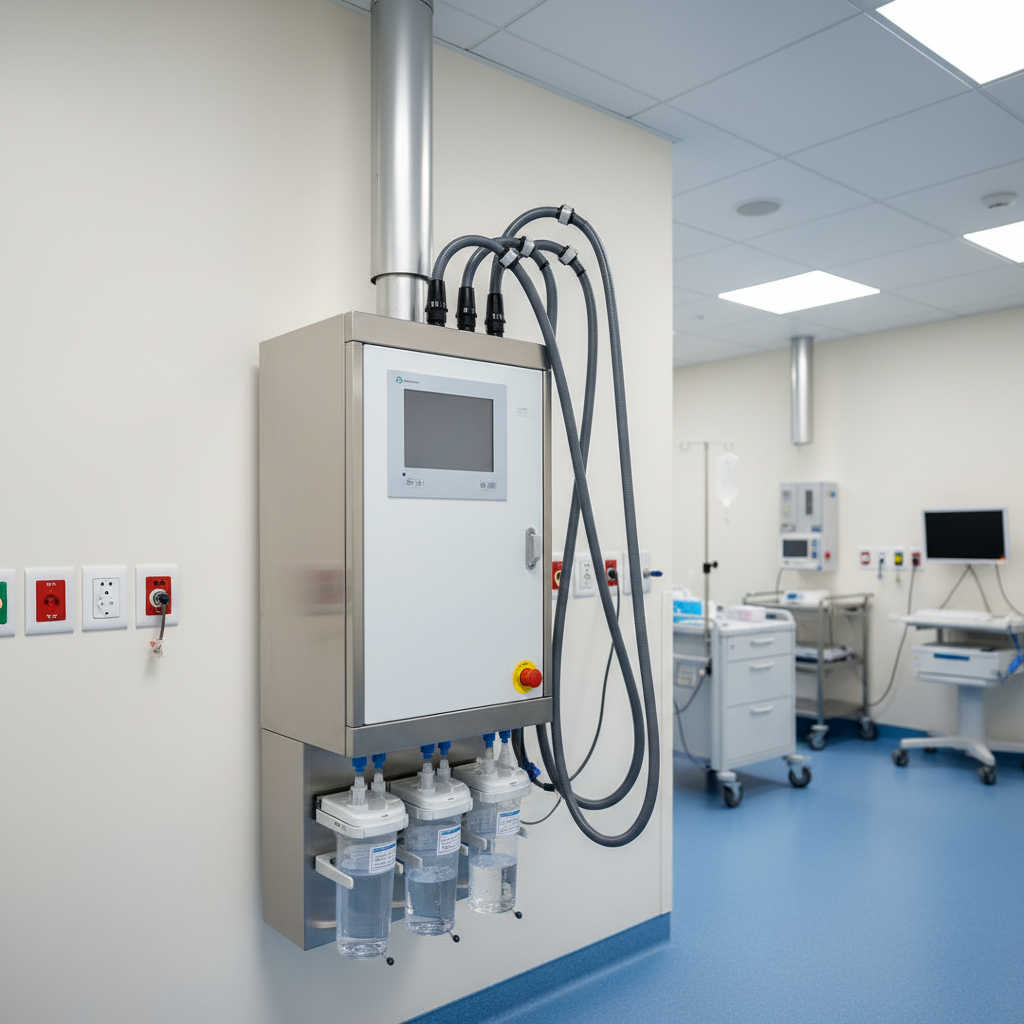
Additionally, central suction units improve the overall patient experience by minimizing the noise and chaos associated with multiple portable devices. With suction systems seamlessly built into the walls and machinery of the facility, patients can enjoy a quieter and more calming environment. This is particularly important in settings where anxiety is a factor, such as pre-operative or intensive care areas. By utilizing advanced suction technology, healthcare facilities can prioritize patient comfort while ensuring that medical staff have the tools they need at their disposal, promoting a more healing atmosphere.
Cost-Effectiveness of Implementing Central Suction Units in Medical Facilities
Implementing central suction units in healthcare facilities offers substantial cost-effectiveness, particularly in terms of operational efficiency and maintenance. Traditional suction systems require individual machines for each bedside, resulting in higher equipment costs, increased maintenance demands, and more frequent repairs. In contrast, central suction systems consolidate this function, providing a centralized network that significantly reduces the need for multiple units, thus lowering initial capital investments. Moreover, the reduced number of devices leads to diminished asset management efforts, allowing healthcare staff to focus on patient care rather than equipment upkeep.
Additionally, central suction units contribute to lower long-term operational costs. They are designed for efficient energy consumption and are typically more durable than standalone units, which means they incur less frequent replacement costs. With central systems, healthcare facilities can also streamline their purchasing processes, benefiting from bulk buying for maintenance supplies and reducing overhead expenses. The improved reliability of central suction systems minimizes downtime, ensuring that healthcare providers can maintain a high standard of patient care without incurring unexpected costs associated with equipment failures or delays.
Top 10 Benefits of Central Suction Units for Healthcare Facilities in 2023
Simplified Maintenance and Compliance Benefits of Central Suction Systems
Central suction systems in healthcare facilities offer significant benefits, particularly in terms of maintenance and compliance. One of the primary advantages is the reduced frequency of maintenance tasks. Unlike individual suction devices that require constant attention and cleaning, central suction units are designed for easy upkeep. Their centralized nature allows for streamlined cleaning processes, ensuring that healthcare providers can focus more on patient care rather than device management. Regular inspections and maintenance can be conducted more efficiently, and less frequent service interruptions enhance the overall functionality of the facility.
In addition to simplified maintenance, central suction systems also help healthcare facilities meet compliance regulations more effectively. These systems are built with strict adherence to industry standards, reducing the risk of non-compliance related to infection control and safety protocols. By utilizing a centralized approach, hospitals can more easily monitor and manage their suction usage, providing a clear audit trail and enhancing regulatory compliance. This not only minimizes liability but also contributes to a safer environment for both patients and staff, reinforcing the value of central suction units in modern healthcare facilities.