Top 10 Mobile Suction Machines You Need for Healthcare Efficiency?
In modern healthcare settings, the efficiency of operations is paramount. A vital tool that facilitates this efficiency is the Mobile Suction Machine. These devices are designed for quick and effective suctioning in various medical scenarios, from emergency situations to routine procedures. Their portability allows healthcare professionals to respond swiftly, enhancing patient care.
Selecting the best Mobile Suction Machine can be overwhelming. With numerous options available, understanding the essential features is crucial. Factors such as suction power, battery life, and ease of use play a significant role. Some machines excel in specific areas, while others have broader applications. It's important to note that not all machines meet every need.
In practice, the reliability of a Mobile Suction Machine can significantly impact patient outcomes. However, not every model is perfect. Some may lack adequate power or have inconvenient designs. Reflecting on these shortcomings can guide healthcare providers in making informed decisions. Ultimately, understanding the nuances of these machines ensures better healthcare delivery.
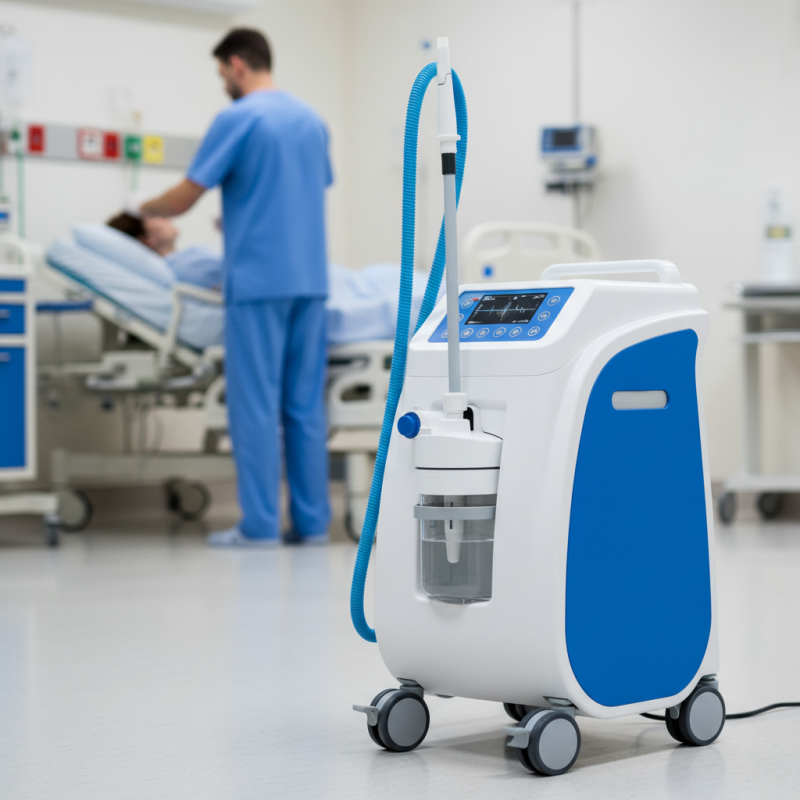
Overview of Mobile Suction Machines in Healthcare
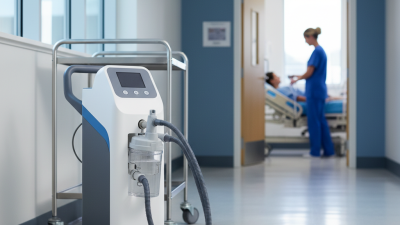
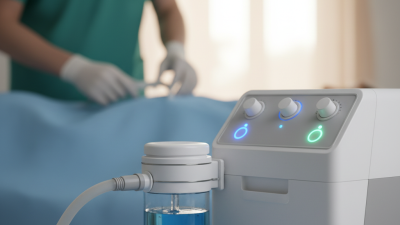
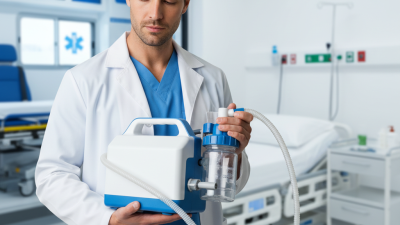
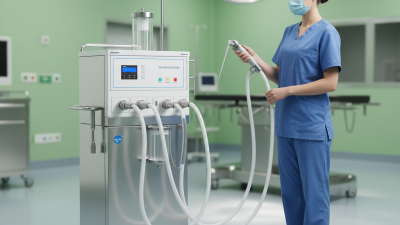
Mobile suction machines are vital in healthcare settings. They play a crucial role in maintaining patient safety and comfort. These devices remove obstructions from airways, providing clear passages for breathing. Their portability allows for quick response in emergencies. Having the right mobile suction equipment enhances workflow efficiency significantly.
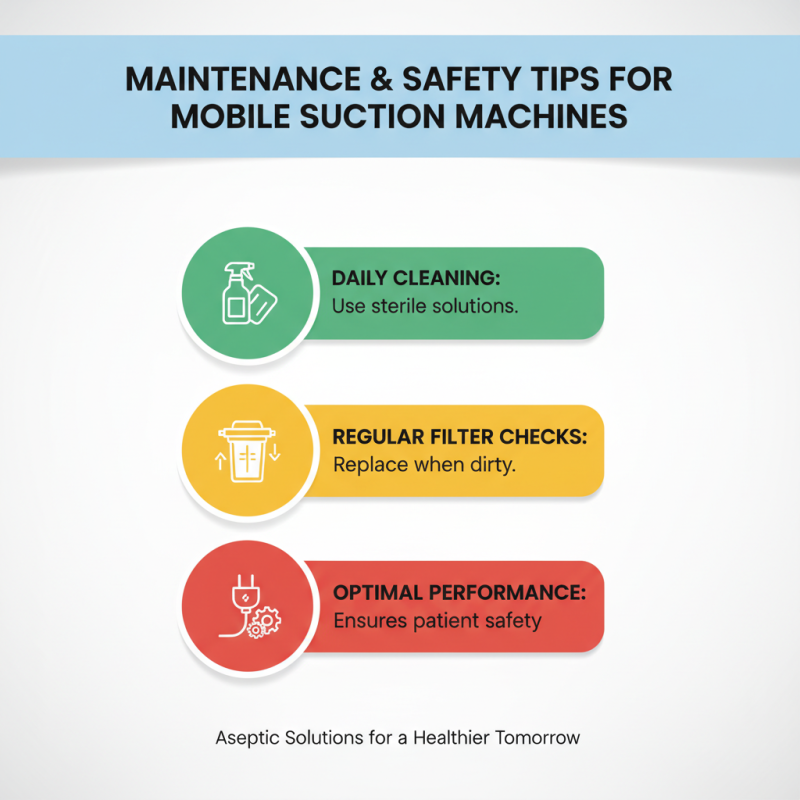
When selecting a mobile suction machine, consider its suction power and portability. Make sure to choose a machine suitable for different environments, such as hospitals or home care. Maintenance is critical; clean and sterilize these devices regularly to prevent infections. Training staff on proper operation is essential for effective use.
One tip is to keep a checklist for daily inspections. Check for any wear and tear, ensuring optimal functioning. This simple practice can help prevent unexpected failures during critical times. Also, ensure proper storage and accessibility in emergency protocols. Having equipment on hand can save lives and make processes smoother in urgent situations.
Top 10 Mobile Suction Machines for Healthcare Efficiency
| Model |
Suction Capacity (mmHg) |
Weight (kg) |
Battery Life (hours) |
Noise Level (dB) |
Connectivity Options |
| Compact Suction Unit A |
450 |
3.5 |
8 |
65 |
Bluetooth, USB |
| Portable Suction Device B |
560 |
4.0 |
10 |
70 |
Wi-Fi, Ethernet |
| Suction Pump Model C |
400 |
3.2 |
6 |
68 |
Bluetooth |
| Emergency Suction System D |
500 |
4.5 |
12 |
72 |
Wi-Fi |
| Mobile Suction Device E |
450 |
3.6 |
8 |
66 |
None |
| Ultra Lightweight Suction F |
520 |
2.9 |
9 |
64 |
USB, Bluetooth |
| Advanced Suction System G |
600 |
5.0 |
15 |
75 |
Wi-Fi, Ethernet, Bluetooth |
| Professional Suction Pump H |
550 |
4.8 |
11 |
69 |
None |
| Compact Suction Machine I |
480 |
3.4 |
7 |
66 |
Bluetooth |
| Mobile Suction Unit J |
530 |
3.9 |
10 |
71 |
Wi-Fi, USB |
Key Features to Consider When Choosing a Mobile Suction Machine
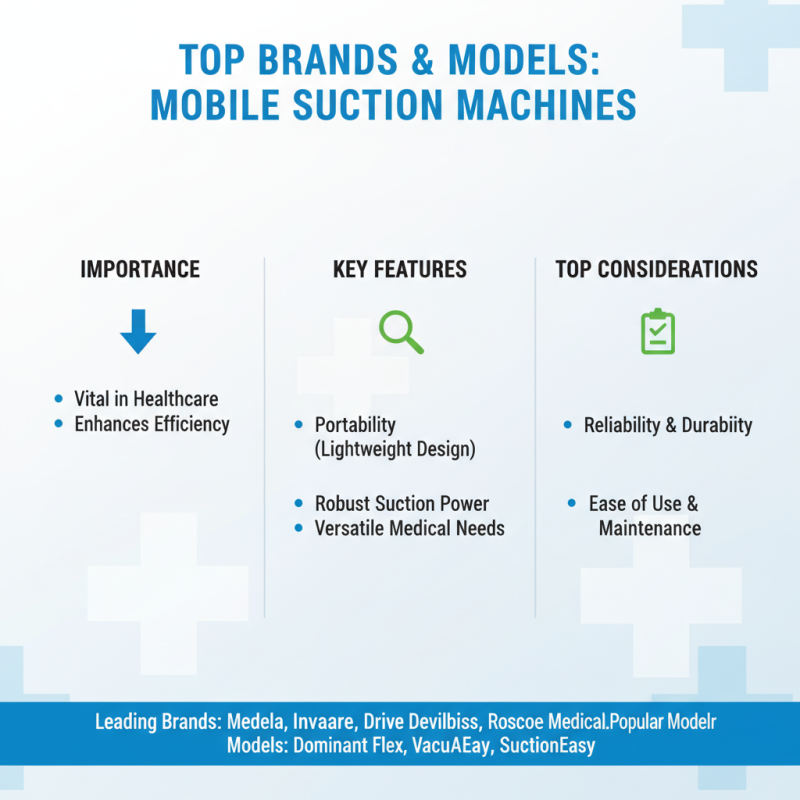
When selecting a mobile suction machine for healthcare, several features are crucial. The suction power is paramount. Studies suggest that a machine should provide at least 400 mmHg of suction power. This level ensures efficient removal of fluids, which is critical in emergencies and surgical settings. Portability is another essential factor. A compact machine weighs less than 10 pounds, enhancing maneuverability within tight spaces in clinical environments.
Battery life cannot be overlooked. A dependable suction machine should run for a minimum of 3 hours on a single charge. This capability guarantees functionality during critical moments, particularly in emergency care settings. Ease of cleaning and maintenance also ranks highly among user requirements, as improper maintenance may compromise performance. Many users appreciate models that feature removable, autoclavable canisters, making infection control easier.
Moreover, noise levels ideally should not exceed 60 dB. Excessive noise can disrupt patient comfort and staff focus. Beyond technical specifications, it’s wise to consider user reviews. Healthcare professionals often share insights into the practicality of machines in daily use. Their feedback can reveal hidden flaws that statistical metrics might not capture. Balancing features with real-world performance is essential for making informed decisions.
Benefits of Using Mobile Suction Machines in Medical Settings
Mobile suction machines are vital tools in healthcare settings. They enhance efficiency by providing immediate suction for patients who struggle to clear airways. This equipment is especially crucial during emergencies. They help clear secretions, blood, or other obstructions quickly. In critical situations, time is of the essence, and having a reliable suction machine can save lives.
Another benefit is portability. These machines are designed to be lightweight and easily moved. Healthcare providers can transport them from room to room or even to remote locations. This flexibility is essential in emergency care or during patient transfers. However, limitations exist. Staff must ensure they are familiar with each machine’s operation to avoid potential mishaps. Training is essential yet often overlooked.
Using mobile suction machines fosters better patient outcomes. They reduce the risk of respiratory complications and improve overall comfort. Efficient suctioning can alleviate distress and promote quicker recovery. While these devices are beneficial, they still require regular maintenance. Neglecting this can lead to equipment failure when it's needed most. A continual reflection on best practices ensures improved use and better care for all patients.