Top Suction Machines for Global Buyers What to Consider?
The global market for suction machines continues to grow significantly. In 2023, the suction machine industry was valued at approximately $1.5 billion and is projected to expand at a compound annual growth rate (CAGR) of 6.5% through 2030. This growth is driven by increasing demand in healthcare and industrial sectors.
Selecting the right suction machine involves various considerations. Buyers must assess performance, reliability, and maintenance needs. The right choice can enhance efficiency and safety in applications ranging from surgical procedures to industrial cleaning. However, many buyers lack an understanding of the specific features that differentiate high-quality machines. This gap often leads to regrets later.
Understanding the market landscape is crucial in making informed decisions. Top brands may offer advanced technology, but cost and availability also matter. While some machines excel in features, they may fall short in user-friendliness. Reflecting on these factors is essential for anyone looking to invest in a suction machine.
Top Features to Look for in Suction Machines for Global Markets
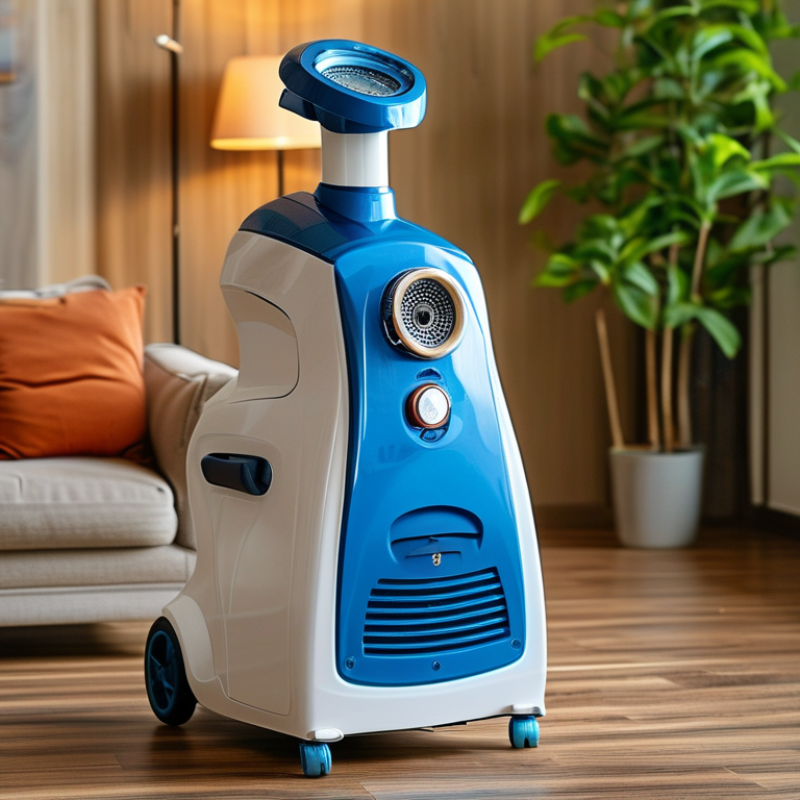
When selecting suction machines for global markets, several crucial features emerge. Efficiency is paramount. According to industry data, machines with higher airflow rates significantly reduce suction time. In clinical environments, a machine with a flow rate of at least 30 L/min is recommended. This ensures effective removal of fluids from patients.
Durability is another key factor. Machines should withstand the rigors of daily use. Reports indicate that unit lifespan greatly influences operational costs. A device that lasts over five years can save healthcare providers nearly 20% in replacement costs. Portability also plays an essential role. In emergency situations, a lightweight and compact machine can be life-saving.
User-friendly design is often overlooked. An intuitive interface ensures that professionals can operate the machine quickly and efficiently. Research suggests that 30% of errors in medical procedures can stem from complicated equipment. Therefore, easy navigation is not just a feature; it is a necessity in critical situations. In a diverse global market, these elements help ensure that suction machines meet a wide range of needs effectively.
The Role of Suction Machines in Healthcare: Industry Statistics
Suction machines play a crucial role in healthcare settings. They help clear airways, especially in emergency situations. According to industry reports, the global suction devices market is projected to reach $1.44 billion by 2025, growing at a CAGR of 5.3%. This growth reflects the increasing demand for efficient medical suction systems in hospitals and clinics.
In 2022, surgical suction accounted for around 60% of the market share. This highlights the importance of suction machines during various procedures. They are essential for both surgical and non-surgical applications. Reliable suction devices improve patient outcomes by reducing complications related to obstruction. Healthcare facilities must prioritize selecting high-quality machines that meet stringent safety standards.
Tip: Always check the machine's suction pressure and flow rates. This ensures optimal performance during critical moments.
The accessibility of suction machines is a pressing concern. Not all healthcare institutions can afford advanced models, leading to disparities in patient care. In resource-limited settings, low-cost alternatives may lack essential features. These gaps need attention to improve overall healthcare outcomes.
Tip: Regular maintenance of suction devices is vital. This prevents mechanical failures and ensures consistent performance.
Comparative Analysis of Leading Suction Machines: Market Overview
When selecting suction machines, buyers face various choices in a competitive market. It's crucial to evaluate each machine's specifications and intended applications.
Many machines offer different suction capacities, portability, and ease of use. Understanding these factors can guide buyers toward a suitable option.
Durability is another critical aspect to consider. A reliable device should withstand frequent use without compromising performance. Some machines may need frequent repairs or calibration, raising ongoing costs. Buyers should also assess customer reviews for real-world experiences, offering insight into the long-term reliability of the machines.
Price variation can be significant in this industry. While a higher price can indicate better quality, it isn’t always true. Some affordable options perform exceptionally well based on user experiences. Buyers would benefit from comparing features and considering their specific needs before making a decision.
Key Brands and Manufacturers Dominating the Suction Machine Market
The suction machine market is diverse. Many top brands and manufacturers lead this landscape. They produce equipment for hospitals, clinics, and home care. Their machines address various suction needs, from removing fluids to clearing airways. With a growing demand worldwide, these companies focus on design and functionality.
Manufacturers invest in quality and innovation. They ensure that their machines meet safety and performance standards. This focus builds trust among users. However, some brands struggle with consistency in product quality. Feedback from healthcare professionals highlights these inconsistencies. Buyers need to research before making decisions. User reviews and industry comparisons can provide valuable insights.
The growing importance of technology in suction machines is notable. Features such as portability and ease of use attract buyers. Yet, some models lack user-friendly interfaces. Investing in training could improve user experience. Overall, while the market is competitive, challenges remain. Identifying reliable brands is crucial for informed purchasing.
Future Trends in Suction Machine Technology: Innovations and Developments
The landscape of suction machine technology is evolving rapidly. Innovations are emerging that enhance both functionality and user experience. Currently, many devices are moving towards greater automation. Users appreciate machines that require minimal manual intervention. This shift not only improves efficiency but also reduces the potential for human error.
Battery life continues to be a critical focus. With a growing need for portable solutions, manufacturers are exploring longer-lasting batteries. The desire for lightweight designs is also prevalent. This makes machines easier for healthcare providers to transport. However, some designs have faced criticism for compromising power. It's essential for developers to strike a balance between weight and performance.
Connectivity features are another trend making waves. Smart technology integration allows users to monitor performance remotely. Yet, this development raises questions about data security and patient privacy. As the industry advances, addressing these concerns is vital. Manufacturers must prioritize reliable security measures while innovating. Uncertainty around these issues can hinder consumer trust in new technologies.