Why Choose a Portable Suction Device for Your Needs?
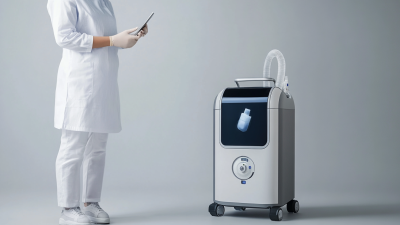
The choice of a Portable Suction Device can significantly impact patient care and recovery. Dr. Emily Carter, a leading expert in medical devices, highlights its importance: "A Portable Suction Device enhances mobility and efficiency in critical situations." The effectiveness of this equipment is essential for both health professionals and caregivers.
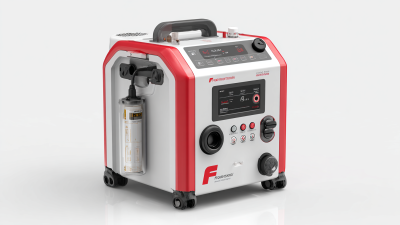
Portable suction devices are designed to be lightweight and easy to handle. They provide immediate access to suction in emergencies. This can save lives during medical procedures, especially in remote locations. Many users appreciate the convenience and reliability that these devices offer. These devices are more than just tools; they represent a commitment to effective patient management.
However, as beneficial as they are, not all portable suction devices meet the same standards. It’s crucial to research various models before making a decision. Consider factors such as battery life, suction power, and ease of use. Reflecting on personal experiences with different devices can lead to better choices. The goal is to ensure that the right Portable Suction Device is available when it matters most.
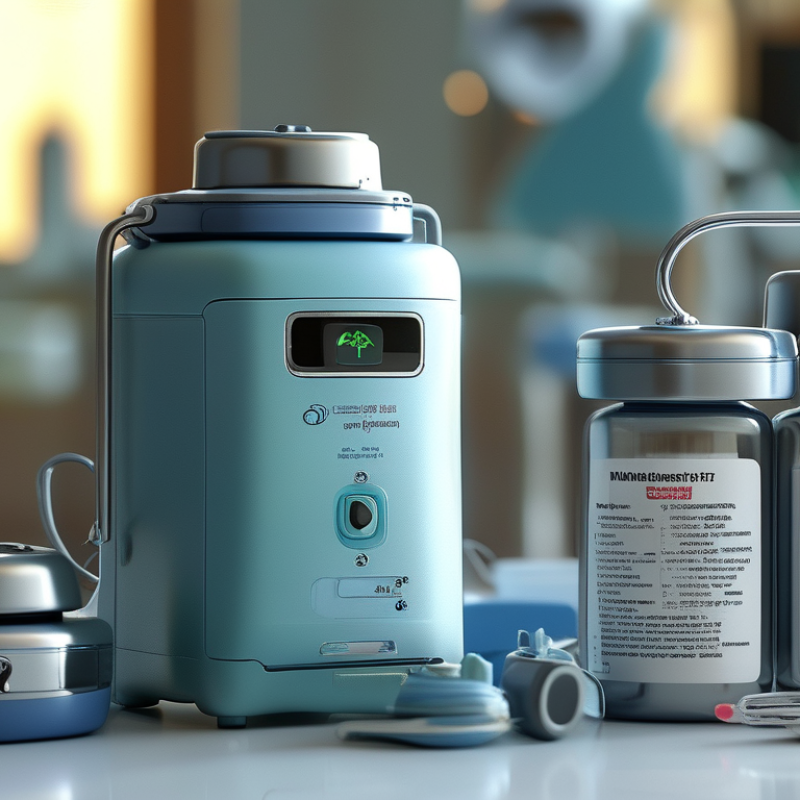
Benefits of Using a Portable Suction Device in Medical Settings
Portable suction devices play a vital role in medical settings. These devices are designed to clear airways quickly and effectively. They are especially useful in emergencies and during surgeries. Having a portable option ensures that medical staff can respond rapidly when every second counts.
The lightweight and compact design of portable suction devices makes them highly versatile. They can be easily transported to various locations. This mobility allows healthcare professionals to use them in hospitals, clinics, and even in ambulances. However, it's crucial to ensure these devices are well-maintained. Regular checks help in avoiding failure during critical moments.
Using a portable suction device can enhance patient safety. They help prevent aspiration in patients who are unconscious or have compromised airways. Despite these advantages, some practitioners might hesitate to adopt them. Concerns about reliability and power sources are valid. Understanding how to properly use and maintain these devices is essential to maximize their effectiveness.
Key Features to Look for in Portable Suction Devices
When considering a portable suction device, it's essential to look for key features that enhance usability and effectiveness. One vital aspect is suction power. A device with adjustable suction power can cater to different needs. Higher suction power is suitable for heavier mucus, while lower power is ideal for delicate situations. Ensuring compatibility with various patient settings is also crucial.
Another important feature is battery life. A long-lasting battery ensures that the device can operate during emergencies without frequent recharging. Lightweight and compact designs add to convenience, allowing for easy transport. Look for ergonomic designs that fit comfortably in hand and ensure ease of use during critical moments.
Tips: Always check the weight and dimensions before purchasing. Ensure it fits your storage space or medical bag. Regular maintenance is crucial for reliability. Clean the device as per the manufacturer’s guidelines to maintain performance. Finally, involve healthcare professionals in your decision-making process. Their expertise can guide you in selecting the best option for your needs.
Comparing Portable and Traditional Suction Devices: Pros and Cons
Portable suction devices offer unique benefits that traditional models may not. These devices are lightweight and easy to transport. They can be a lifesaver during emergencies, providing assistance where larger machines cannot reach. Portability allows for quick deployment, especially in home care situations or during travel. Their compact design makes them user-friendly, even for those without much experience.
On the other hand, traditional suction devices tend to offer more power. They excel in clinical environments where persistent suction is critical. These machines generally have larger tanks and more robust motors. However, they can be cumbersome and limit mobility. Users in fast-paced scenarios may find them less effective. It's essential to weigh the effectiveness against mobility needs.
Some users report mixed experiences with both types. A portable device may struggle with thick secretions, leading to frustration. Meanwhile, traditional devices can feel overwhelming due to their size and complexity. It's crucial to assess your specific requirements and test devices before making a decision. Balancing convenience with performance is the key to finding the right solution.
Why Choose a Portable Suction Device for Your Needs? - Comparing Portable and Traditional Suction Devices: Pros and Cons
| Feature |
Portable Suction Device |
Traditional Suction Device |
| Mobility |
Highly portable, easy to transport |
Less portable, often stationary |
| Power Source |
Battery-operated, can be used anywhere |
Plug-in operation, limited by outlet access |
| Ease of Use |
User-friendly, simple controls |
Can be complex, requires training |
| Noise Level |
Generally quieter |
Can be quite loud |
| Cost |
Typically lower initial cost |
Higher initial cost, maintenance expenses |
| Applications |
Ideal for emergency and field use |
Best for hospital and clinic settings |
Real-life Applications of Portable Suction Devices in Emergency Care
Portable suction devices play a crucial role in emergency care settings. They help clear airways quickly in life-threatening situations. For instance, the American Heart Association emphasizes the importance of timely airway management in cardiac arrest cases, where every second counts. Research shows that effective airway clearance can improve survival rates by up to 20%.
In real-life scenarios, portable suction devices have been used in numerous emergency situations. Paramedics rely on them to remove blood, vomit, or secretions. This allows for better oxygenation of patients. A study published by the Journal of Emergency Medical Services noted that the use of these devices reduced the time to establish a patent airway by an average of 45 seconds. Delays in airway management often lead to complications.
However, not all devices are equally effective. Some may lack adequate suction power or battery life. High-quality devices can make a significant difference. Emergency responders must ensure they are equipped with reliable tools. Regular training and equipment checks are necessary to meet the evolving demands of emergency care.
Maintaining and Caring for Your Portable Suction Device for Longevity
Maintaining your portable suction device is crucial for its longevity and efficiency. Proper care ensures that it functions optimally at all times, which is essential in emergencies. According to industry reports, devices that are well-maintained are 30% more reliable than those that are neglected. Regular cleaning and inspection can prolong the life of your device significantly.
Tips: Clean your device after each use. Bacteria buildup can lead to malfunctions. Check hoses and filters routinely for clogs. Replacing worn parts can prevent breakdowns.
In addition to cleaning, proper storage is vital. Keep your portable suction device in a stable and dry environment. Humidity can lead to corrosion, diminishing performance. A study revealed that devices stored in optimal conditions last 15% longer. Always refer to the manufacturer’s guidelines for storage temperatures and conditions.
While these maintenance tips are useful, people often overlook them. This negligence can lead to unnecessary costs and discomfort. Regularly assessing your device’s condition is a reflection of responsible ownership. It’s also a step towards ensuring that you have a reliable tool when you need it most.