2026 Best Central Suction Unit Buying Guide for Global Buyers
A Central Suction Unit is the quiet engine behind many modern dental clinics. It removes aerosols, fluids, debris, and unpleasant odors from the treatment area. For global buyers, the purchase involves more than motor power. Airflow, vacuum pressure, noise, filtration, electrical compatibility, service access, and local installation conditions all matter.
The World Health Organization’s Global Oral Health Status Report estimates that nearly 3.5 billion people live with oral diseases. That figure highlights the continuing demand for safe, efficient dental services. Meanwhile, professional market studies from Fortune Business Insights and Grand View Research identify steady growth in global dental equipment investment. These reports suggest opportunity, but they do not make every Central Suction Unit suitable for every clinic. A compact four-chair practice may need different capacity from a university hospital. Measure the demand.
“Infection control is not a one-time event; it is an ongoing process,” says dental infection-control expert Dr. John A. Molinari. His principle applies directly to suction equipment. A reliable unit needs regular filter inspection, separator cleaning, pipe maintenance, and documented servicing. Buyers should also verify manufacturer certifications, warranty terms, replacement-part availability, and technical support in the destination country. ISO 10637 and relevant electrical safety requirements can support a more disciplined evaluation, but compliance claims still require checking. No specification sheet tells the whole story. This guide compares practical buying factors for international purchasers, including lifecycle cost, installation risk, operating noise, and maintenance workload. Some recommendations may need adjustment. Real clinics are rarely perfect.
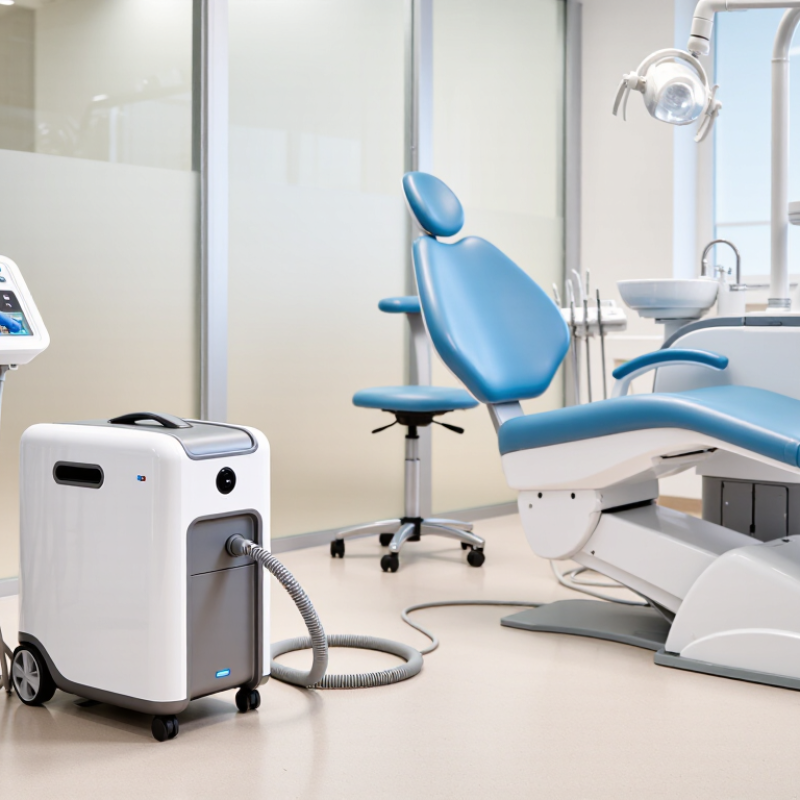
What Is a Central Suction Unit and How Does It Work?
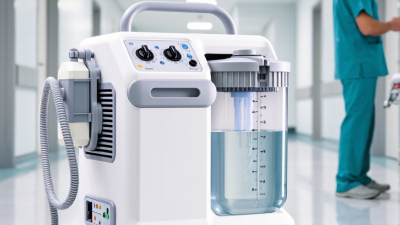
A central suction unit is a fixed vacuum system that serves several rooms through a connected pipeline. Hospitals, dental clinics, laboratories, and care facilities may use it for fluid removal, airway management, or controlled extraction. Unlike a portable device, the main equipment stays in a dedicated plant room.
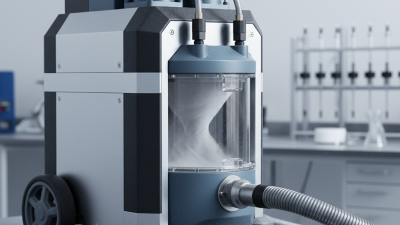
The system usually includes a vacuum pump, receiver tank, bacterial filters, control panel, and pipeline outlets. When a user opens a suction outlet, the pump lowers pressure inside the pipe. Atmospheric pressure then pushes fluid or air toward the collection vessel. The receiver stabilizes demand, while filters protect the pump and reduce contamination risks. It is simple in principle.
Small details affect real performance.
A longer pipeline can increase pressure loss. Wet filters can restrict airflow. Poorly sealed connections may create a constant hiss and higher energy use. A higher vacuum rating is not always better. Excessive suction can damage delicate equipment or create uncomfortable operating conditions. Buyers should check airflow, ultimate vacuum, duty cycle, noise, tank volume, alarm functions, and backup capacity. Regional electrical, medical-gas, and installation requirements also need verification before purchase.
Maintenance teams should inspect filters, drains, hoses, valves, and alarm signals on a scheduled basis. Keep records. That step is often missed. A practical acceptance test should measure vacuum at the farthest outlet, not only beside the pump. This reveals pressure loss that a showroom test may hide. Configuration should match actual patient load and future expansion, because oversized equipment can waste energy while undersized equipment may struggle during peak demand.
How to Match Suction Capacity, Vacuum Strength, and System Size
Choosing a central suction unit starts with simultaneous demand, not the largest motor. Count every active outlet, then estimate flow in litres per minute. Dental systems may need about 250–350 L/min per operating position, while medical pipelines require different calculations. HTM 02-01 guidance commonly places terminal vacuum near 40–60 kPa below atmospheric pressure. Confirm local requirements with a qualified medical-gas engineer.
Pipe length changes performance. A narrow pipe can create pressure loss, even when the pump appears powerful. ISO 10079-3:2014 sets safety and performance requirements for suction equipment connected to vacuum sources. The 2024 ASHRAE Handbook also stresses airflow resistance, diversity, and equipment-room conditions. Use those principles when sizing headers, branches, filters, and receivers. Oversizing is not automatically safer. It can increase noise, energy use, and maintenance.
Tips: Measure real peak demand for one week. Record vacuum at the farthest outlet. Check performance with filters loaded, not perfectly clean. Leave practical expansion capacity, perhaps 15–25%, but verify it against the facility plan. A rough spreadsheet helps. It can still be wrong. Final selection should compare flow, vacuum, duty cycle, redundancy, and sound levels under actual site conditions. References: HTM 02-01, ISO 10079-3:2014, and ASHRAE Handbook—HVAC Applications, 2024.
Which Central Suction Technologies Suit Different Applications?
In 2026, global buyers should match central suction technology to workload, contamination risk, and service conditions. Medical wards usually need oil-free dry claw or scroll pumps. They provide clean vacuum and stable operation near patients. Scroll systems suit lower-flow clinics with quiet rooms. Dry claw units handle longer duty cycles and frequent use. Check airflow at the farthest outlet, not only the pump-room reading. That detail matters.
Dental facilities often combine dry suction with moisture control and particle separation. Industrial workshops may require stronger vacuum for sealed handling, lifting, or automated fixtures. Oil-sealed rotary vane pumps can deliver strong vacuum, but oil mist and maintenance need strict controls. For dusty or wet lines, install filters, condensate drains, and accessible isolation valves. A forgotten drain can damage performance. Laboratories need chemical-resistant wetted materials and precise regulation. Food and packaging applications may favor dry technologies where product contamination risk is high.
Buying decisions should include noise at one meter, heat release, standby redundancy, and local voltage compatibility. Ask suppliers for measured flow curves, sound data, service intervals, and spare-parts lead times. Verify electrical and safety compliance for each installation country. In practice, specifications can look perfect on paper. Yet undersized pipework, poor ventilation, or untrained operators still cause failures. I would allow capacity margin, although excessive oversizing wastes energy. That trade-off deserves review.
2026 Best Central Suction Unit Buying Guide for Global Buyers
Which Central Suction Technologies Suit Different Applications?
The chart compares the indicative application suitability of four common central suction technologies. Scores range from 1 to 5, based on typical considerations such as oil-free operation, tolerance of moisture or contaminants, vacuum stability, noise, and maintenance requirements. Final selection should be verified against the required vacuum level, airflow, duty cycle, filtration, and local safety standards.
How to Compare Suppliers, Costs, Installation, and Long-Term Support?
Comparing central suction unit suppliers requires more than checking the lowest quotation. Ask for pump capacity, vacuum range, noise level, filtration method, duty cycle, and expected service life. A reliable supplier should provide clear test records, technical drawings, material details, and traceable quality documents. Vague answers deserve caution.
Price should include shipping, installation tools, training, spare parts, and local service. A cheaper unit may need expensive electrical upgrades or longer delivery times. Request a complete landed-cost worksheet. Then compare warranty terms, response times, technician availability, and replacement-part access in your region. Small omissions matter.
Installation planning is often underestimated. Confirm power requirements, drainage, ventilation, pipe diameter, and mounting space before ordering. Ask whether remote commissioning is available and what the installer must prepare. During evaluation, speak with previous users if possible. Their maintenance experience can reveal problems hidden in brochures. I have found that neat specifications do not always predict easy service. Leave room for uncertainty, and document every assumption before signing. The strongest supplier is not always the cheapest or most polished. It is the one that explains limitations clearly and supports the system after delivery.