What is Anti Decubitus and How Can It Benefit You
In the world of healthcare, the term "Anti Decubitus" refers to strategies and products designed to prevent pressure ulcers in patients. Renowned expert Dr. Emily Carter, a leading researcher in wound care, states, "Effective Anti Decubitus measures significantly enhance patient comfort and recovery." This highlights the importance of understanding and implementing these practices for patient well-being.
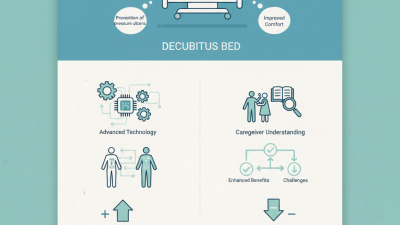
Pressure ulcers can lead to serious complications if not managed properly. They often result from prolonged immobility and can severely affect a patient's quality of life. Anti Decubitus interventions are crucial in hospital settings, especially for patients confined to beds or wheelchairs. Innovations in this field, such as specialized mattresses and cushions, aim to distribute weight evenly, reducing pressure on vulnerable skin areas.
Despite advancements, many facilities still overlook effective Anti Decubitus strategies. Some may rely on outdated methods or fail to educate staff adequately. This can lead to preventable injuries and increased healthcare costs. Enhancing awareness and training on Anti Decubitus can foster a culture of care that prioritizes patient safety and comfort. Implementing these measures thoughtfully can create a more supportive healthcare environment.
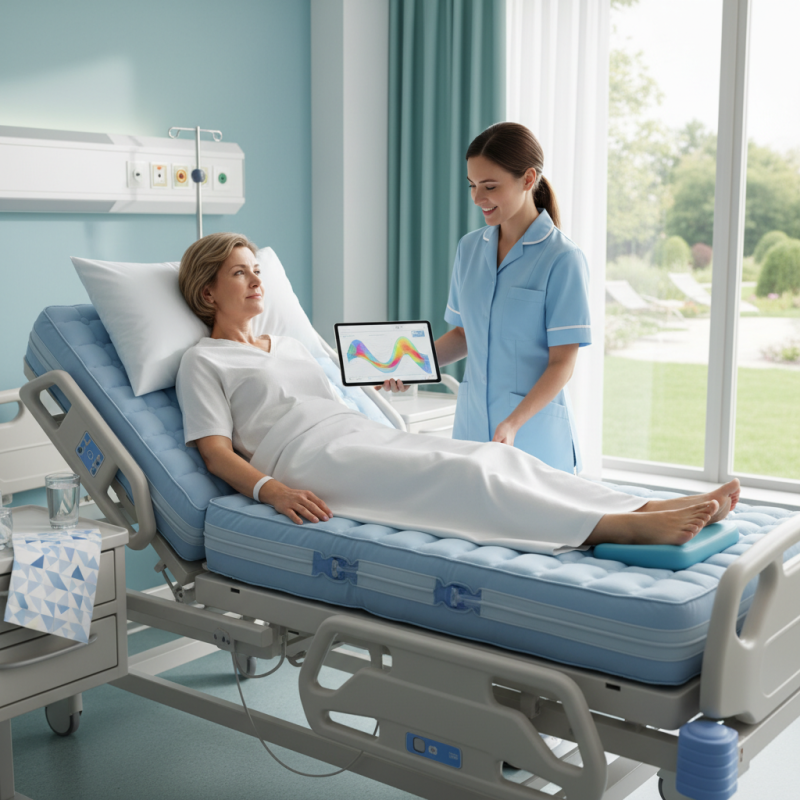
What is Anti Decubitus and Its Purpose in Healthcare
Anti Decubitus refers to methods and products designed to prevent pressure ulcers, commonly known as bedsores. These sores occur when pressure impairs blood flow to the skin, particularly in immobile patients. In healthcare, the aim of anti decubitus measures is clear: promote skin integrity and improve patient comfort. Risk factors include prolonged immobility, poor nutrition, and moisture. Understanding these aspects is crucial for effective prevention.
To effectively implement anti decubitus strategies, caregivers should regularly reposition patients. This simple action can help alleviate pressure on vulnerable areas. Here are some tips:
- Use pillows to cushion pressure points.
- Assess skin daily for any signs of breakdown.
- Encourage movement, even small shifts, when possible.
Another key aspect involves using specialized equipment. Mattresses and cushions that redistribute pressure can significantly reduce the risk of ulcers. However, maintaining these items is essential; failure to do so can create risks. Regular inspections and cleaning ensure both effectiveness and hygiene.
Incorporating nutritional support is equally important. A diet rich in protein and hydration can enhance skin health, supporting healing processes. Caregivers must collaborate with nutritionists to develop appropriate dietary plans. Ultimately, awareness and proactive measures can lead to better outcomes for at-risk patients.
The Mechanism of Action: How Anti Decubitus Products Function
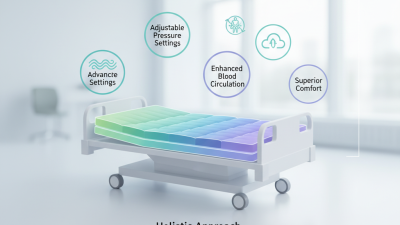
Anti-decubitus products play a crucial role in preventing pressure ulcers, especially for individuals with limited mobility. These products, including specialized mattresses and cushions, work by redistributing pressure away from bony areas. According to recent studies, using these products can reduce the incidence of pressure ulcers by up to 70%. The mechanism involves contouring to the body’s shape, which minimizes friction and shear forces.
Understanding how these products function is essential. They often utilize advanced foam technologies. Air-filled and gel-based options can help maintain optimal skin health. These mechanisms ensure that blood flow is not compromised, which is vital for tissue viability. Regular use has shown that patients experience significantly fewer skin breakdowns.
Tip: Incorporate repositioning schedules every two hours. This simple action, combined with anti-decubitus products, can further enhance safety.
Another crucial aspect is user education. The effectiveness of these products relies on proper usage. Not all solutions may fit every user’s needs. Regular assessment of the product's condition is necessary, as wear and tear could diminish their efficacy over time. Adjusting settings based on weight and activity levels can provide additional comfort and protection, making sustained investment in these products worthwhile.
Key Statistics: Incidence of Pressure Ulcers in Healthcare Settings
Pressure ulcers, commonly known as bedsores, are a significant issue in healthcare settings. Studies reveal that nearly 2.5 million patients develop pressure ulcers each year in the United States. These wounds can cause serious complications and greatly affect patient well-being. The incidence is particularly high among elderly patients and those with limited mobility.
Preventing pressure ulcers requires awareness and proactive measures. For instance, healthcare staff must turn patients regularly to alleviate pressure. Additionally, using specialized mattresses and cushions can play a vital role. Despite these efforts, nearly 15% of patients in long-term care still suffer from pressure ulcers. This highlights a pressing need for improved staff training and patient education.
Understanding the statistics underscores the urgency of addressing this issue. Failing to recognize the risk factors can lead to severe consequences. Medical professionals must engage in continual learning and adaptation to better manage patients’ risks. Enhancing communication with patients and families about prevention is equally essential. Addressing these challenges head-on can help reduce the prevalence of pressure ulcers significantly.
What is Anti Decubitus and How Can It Benefit You - Key Statistics: Incidence of Pressure Ulcers in Healthcare Settings
| Setting |
Incidence Rate (%) |
Total Patients Affected |
Severity Level (1-4) |
| Acute Care Hospitals |
15% |
120,000 |
2 |
| Long-term Care Facilities |
20% |
85,000 |
3 |
| Home Healthcare |
10% |
60,000 |
1 |
| Rehabilitation Centers |
12% |
40,000 |
2 |
| Palliative Care Units |
25% |
30,000 |
4 |
Comparative Analysis: Anti Decubitus Solutions and Their Effectiveness
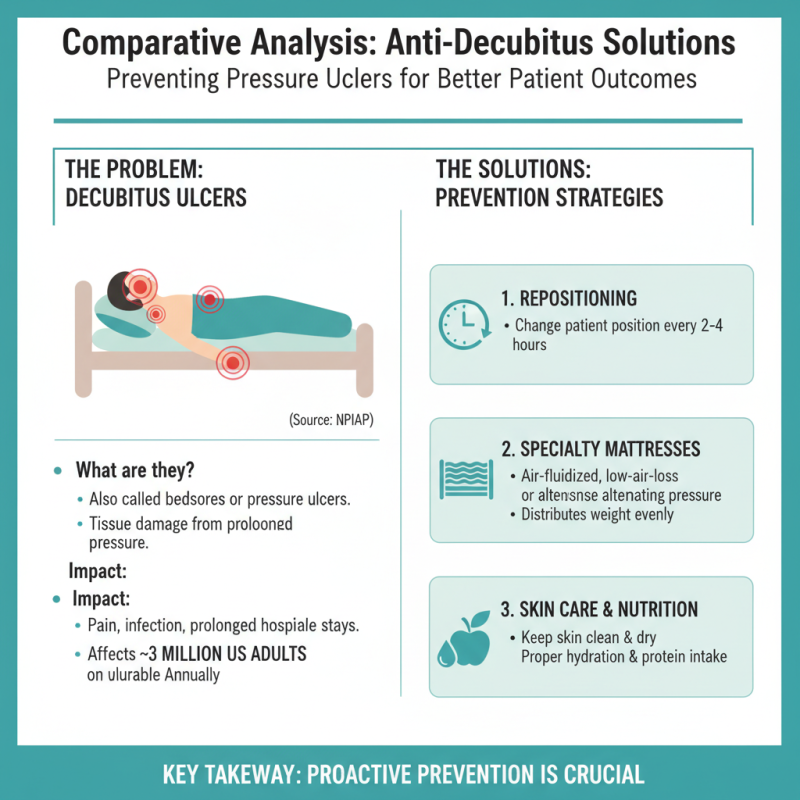
Decubitus ulcers, also known as pressure sores, are a significant concern in healthcare. They can develop when patients remain immobile for extended periods. A report from the National Pressure Injury Advisory Panel states that nearly 3 million adults in the U.S. develop these ulcers annually. Consequently, effective prevention strategies are essential.
Anti decubitus solutions provide varied options for pressure relief. For instance, specialized mattresses and cushions are designed to distribute pressure more evenly. A study published in the Journal of Wound Care found that alternating pressure mattresses can reduce ulcer incidence by up to 60%. These products are particularly beneficial for patients with limited mobility. However, the effectiveness of these solutions can depend on individual conditions and usage.
While many anti decubitus products exist, not all are universally effective. It’s crucial to understand that some may not provide adequate pressure relief for everyone. Moreover, proper usage and regular monitoring are vital for success. Data indicates that hospitals often overlook the importance of staff training in using these devices. Without proper knowledge, the risk of ulcers remains high. A thoughtful, well-informed approach is necessary.
Patient Benefits: Enhancing Comfort and Reducing Healthcare Costs
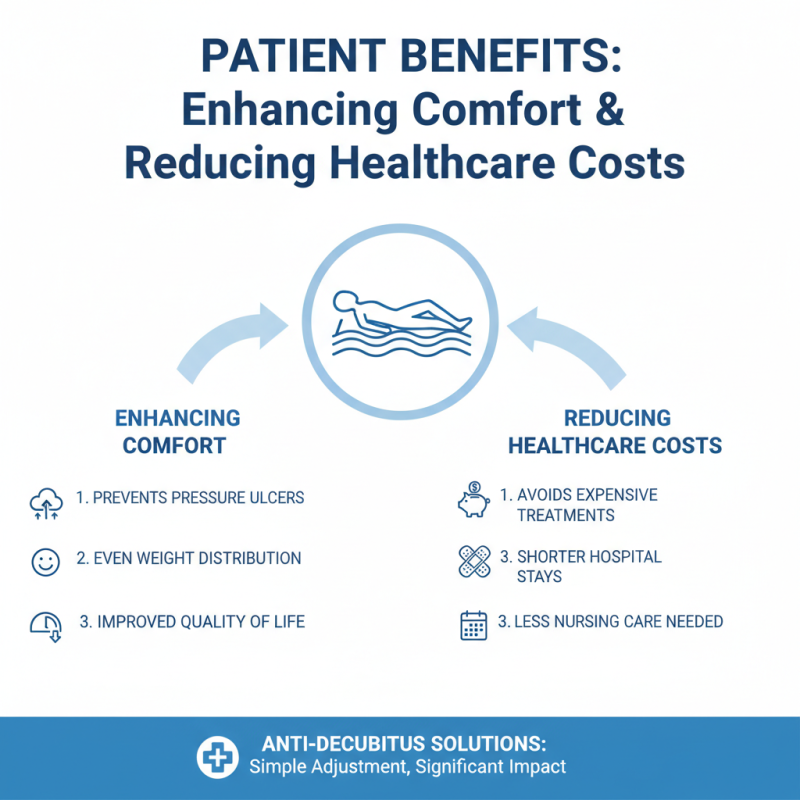
Anti-decubitus solutions play a crucial role in enhancing patient comfort. These products are specifically designed to prevent pressure ulcers, which can develop in immobile patients. By distributing body weight evenly, they reduce the pressure on sensitive areas. This simple adjustment can significantly improve a patient's quality of life.
In terms of healthcare costs, adopting anti-decubitus strategies can save facilities substantial amounts. Bedsores are not only painful but also lead to prolonged hospital stays. With effective prevention methods, healthcare providers can lower the incidence of these complications. This can foster quicker recoveries and lessen the burden on medical resources.
Patient experiences often reveal a gap in awareness regarding pressure injuries. Some may believe that discomfort is part of bed rest. Yet, informed patients can advocate for their comfort. It's essential to understand the importance of prevention. This knowledge can drive conversations with healthcare personnel, ultimately benefiting both patients and healthcare systems.