Leave Your Message

What Is an Anti Decubitus Mattress Used For?

An Anti-Decubitus Mattress is used to help prevent and manage pressure injuries. These injuries often develop when someone remains in one position for too long. Common areas include the heels, hips, shoulders, elbows, and tailbone. Constant pressure can reduce blood flow and damage fragile skin.

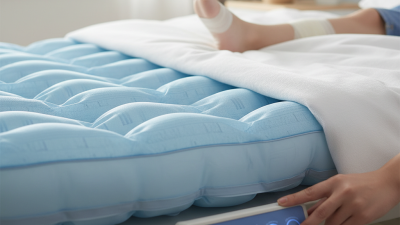
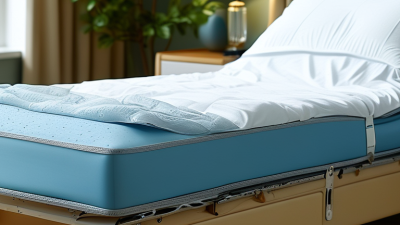
The mattress works by spreading body weight more evenly. Some models use alternating air cells that inflate and deflate in cycles. Others use specialized foam layers that reduce pressure and support posture. A caregiver may notice fewer red marks after repositioning. The skin should still be checked every day.

It is not a complete solution. Regular repositioning remains important. Good nutrition, clean and dry skin, and suitable clothing also support prevention. Healthcare professionals can recommend the right mattress based on mobility, body weight, skin condition, and existing wounds. Manufacturer instructions matter, especially for pump settings and maintenance.

Small details can affect comfort. A noisy pump may disturb sleep. A poorly fitted sheet may limit airflow or create wrinkles. These problems are easy to overlook. The mattress may also feel unusual during the first few nights.

Evidence and clinical experience support pressure-redistributing surfaces, but outcomes vary. An Anti-Decubitus Mattress should complement, not replace, a personalized care plan. If redness does not fade, skin breaks, or pain increases, medical advice is needed. Choosing quickly is tempting. Choosing carefully is safer.
What Is an Anti Decubitus Mattress Used For?

Clinical Purpose: Preventing Pressure Injuries in 2.5 Million U.S. Patients Annually

What Is an Anti Decubitus Mattress Used For?

An anti decubitus mattress helps prevent pressure injuries in people with limited mobility. These injuries develop when prolonged pressure reduces blood flow near bony areas. Common sites include the sacrum, hips, heels, and elbows.

The Agency for Healthcare Research and Quality reports that more than 2.5 million U.S. patients develop pressure ulcers annually in acute-care settings. The number is sobering.

Patients who remain in bed after surgery, stroke, spinal injury, or critical illness face greater exposure.

These mattresses redistribute pressure through alternating air cells, air-fluidized surfaces, or low-air-loss designs. The goal is simple: reduce constant loading and support healthier skin conditions.

Clinical teams should still inspect skin, manage moisture, optimize nutrition, and reposition patients according to individual risk. The National Pressure Injury Advisory Panel emphasizes prevention through a complete care plan, not one device alone.

A mattress cannot replace nursing assessment. In practice, poor setup, incorrect inflation, and missed repositioning can weaken its benefit. That deserves honest attention.

A 2023 AHRQ prevention framework also supports structured risk assessment and documented prevention practices. Caregivers should check heel suspension, body alignment, alarm settings, and patient comfort regularly.

Some patients need a specialized surface, while others need frequent manual repositioning. Evidence supports the technology, but results depend heavily on daily use and clinical judgment.

Who Needs an Anti-Decubitus Mattress? NPIAP Stages 1–4 and Risk Factors

An anti-decubitus mattress helps reduce pressure on vulnerable body areas, especially the sacrum, hips, heels, and shoulders. It is designed for people who remain in bed or sit for long periods. AHRQ reports that more than 2.5 million hospital patients develop pressure injuries annually in the United States. The same source links these injuries to approximately 60,000 deaths each year (AHRQ, Preventing Pressure Ulcers in Hospitals).

Who needs one? Risk rises with immobility, poor sensation, moisture, limited blood flow, advanced age, and inadequate nutrition. A low Braden Scale score signals greater risk, but it is not a perfect prediction. NPIAP Stage 1 involves persistent redness on intact skin. Stage 2 shows partial-thickness skin loss. Stage 3 includes full-thickness loss, while Stage 4 may expose muscle, tendon, cartilage, or bone (NPIAP, 2016). Patients with Stage 1 risk may benefit from preventive support surfaces. Patients with Stages 2–4 need immediate professional assessment and an individualized care plan.

The mattress is not magic. Repositioning, skin checks, moisture control, nutrition, and heel elevation still matter. Clinicians should check fit, inflation, cleaning, and patient comfort regularly. A useful, imperfect rule is simple: match the surface to the person, not only the diagnosis. Even a high-quality mattress can fail when staff overlook a damp sheet, a sliding posture, or a painful heel.

How Alternating-Air and High-Specification Foam Mattresses Redistribute Pressure

An anti-decubitus mattress helps reduce sustained pressure on vulnerable areas, including the heels, hips, shoulders, and sacrum. Its purpose is not simply to feel soft. It should distribute body weight, limit shear, and support regular repositioning. Clinical assessment still matters. A mattress cannot replace skin checks, moisture control, nutrition, or movement.

Alternating-air mattresses use separate air cells that inflate and deflate in cycles. This process changes the pressure points beneath the body. One area rests while another carries support. Correct pressure settings are essential. Too little air may allow the body to sink excessively, while too much air can increase surface pressure. Caregivers should check the user’s position, comfort, skin condition, and the alarm system regularly. Small adjustments can make a meaningful difference.

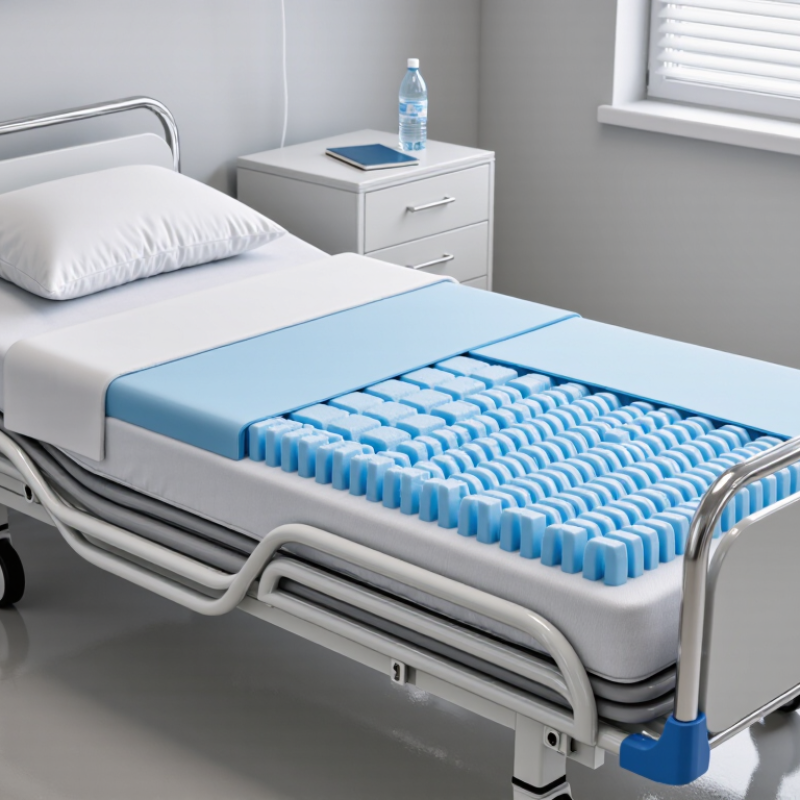
High-specification foam mattresses redistribute pressure through shaped layers and responsive materials. They provide stable support without pumps, making them useful in quieter rooms or during transport. Some designs also reduce heat buildup and friction, although performance varies with body weight and posture. In practice, selecting the right mattress is not always straightforward. A heavier user may need firmer support, while a frail user may need deeper immersion. The evidence is helpful, but not perfect. Regular reassessment remains necessary, especially after illness, surgery, reduced mobility, or visible skin changes.

What Is an Anti-Decubitus Mattress Used For?

Anti-decubitus mattresses are used to help reduce prolonged pressure on vulnerable areas of the body and support pressure-ulcer prevention. Alternating-air systems actively change inflation across air cells, while high-specification foam mattresses redistribute load through immersion, envelopment, and layered support.

The chart shows whether a characteristic is generally present in each mattress type: 1 means present and 0 means not typically present. These design differences do not replace regular repositioning, skin inspection, moisture management, or professional clinical assessment.

What NICE Recommends for Adults at High Risk of Pressure Ulcers

What Is an Anti Decubitus Mattress Used For?

An anti-decubitus mattress helps reduce pressure on areas such as the heels, hips, shoulders, and tailbone. It is designed for people who spend long periods in bed or have limited movement. However, it does not replace regular repositioning, skin checks, or appropriate nutrition.

NICE recommends a high-specification foam mattress for adults at high risk of pressure ulcers. Risk may increase with immobility, poor skin condition, reduced sensation, or serious illness. A suitable mattress should support the body without creating hard pressure points. Healthcare professionals should assess the person’s weight, posture, comfort, and movement needs. Small details matter, including wrinkles under the sheets and damp clothing.

NICE also advises repositioning adults at high risk at least every four hours, unless an individual assessment supports another schedule. Staff should record the plan and inspect vulnerable skin regularly. If a person already has a pressure ulcer and cannot be repositioned manually, an alternating pressure mattress may be considered. It changes the inflation pattern to vary support beneath the body. Yet it may cause noise, discomfort, or anxiety for some users. Clinical review remains essential. A mattress can reduce risk, but it cannot correct every problem. Sometimes, care plans look precise on paper but fail during a busy night. Regular communication and honest reassessment are still necessary.

Safe Use: Combining Mattress Therapy With Regular Repositioning and Skin Checks

What Is an Anti Decubitus Mattress Used For?

An anti-decubitus mattress helps redistribute pressure across the body. It may use alternating air cells or pressure-diffusing foam. The goal is not a motionless patient. Pressure, moisture, and shear still cause harm. The 2019 International Guideline for pressure injuries describes support surfaces as part of prevention. They do not replace repositioning, skin assessment, or clinical judgment.

Regular repositioning remains essential. Timing should reflect mobility, skin condition, comfort, and medical stability. At every turn, inspect the sacrum, hips, heels, elbows, and shoulders. Look for persistent redness, warmth, swelling, blisters, or broken skin. For darker skin tones, color changes may be subtle, so compare temperature and texture carefully. Document findings. AHRQ’s HCUP Statistical Brief reported more than 2.5 million U.S. hospital stays involving pressure ulcers in 2008. That older figure still shows the scale of the problem.

Tips: Set a written turning schedule and record each position change. Keep bedding smooth and dry. Check the mattress pump, tubing, and alarm daily. Float the heels with suitable support, without placing pressure behind the knee. Avoid relying on comfort alone; a mattress can feel soft while pressure remains. Ask a wound-care professional to review unusual redness, pain, drainage, or skin damage. Mistakes happen, and schedules may need adjustment.