Best Anti Decubitus Mattress for Pressure Relief Solutions?
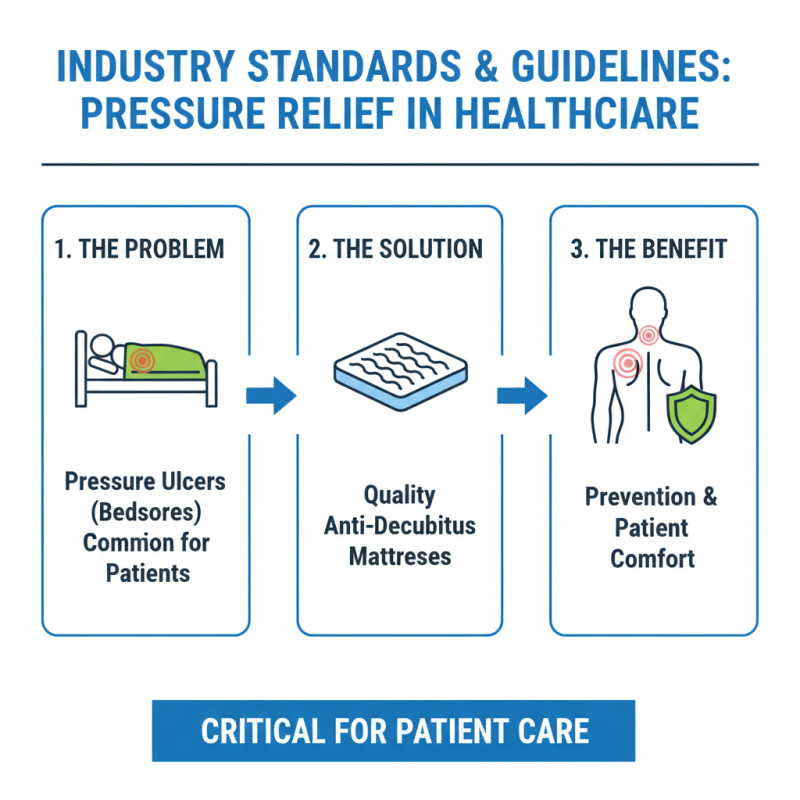
In the realm of healthcare, the importance of an Anti-Decubitus Mattress cannot be overstated. According to Dr. Emily Chen, a leading expert in wound care, "The right mattress can significantly reduce pressure sores." Her insights highlight how critical these mattresses are for patients with limited mobility.
Pressure relief is essential for individuals at risk of bedsores. An Anti-Decubitus Mattress provides optimal support and comfort. These mattresses are designed to redistribute body weight, alleviating pressure points. The diverse options available can cater to different needs and preferences.
However, not all Anti-Decubitus Mattresses are created equal. Selecting the best one can be overwhelming. Factors like durability, material, and adjustability play vital roles. Users must consider their specific requirements to make an informed choice. It’s imperative to recognize the nuances in features that different mattresses offer. Understanding these details can lead to better outcomes in patient care.
Understanding Pressure Ulcers and the Role of Anti-Decubitus Mattresses
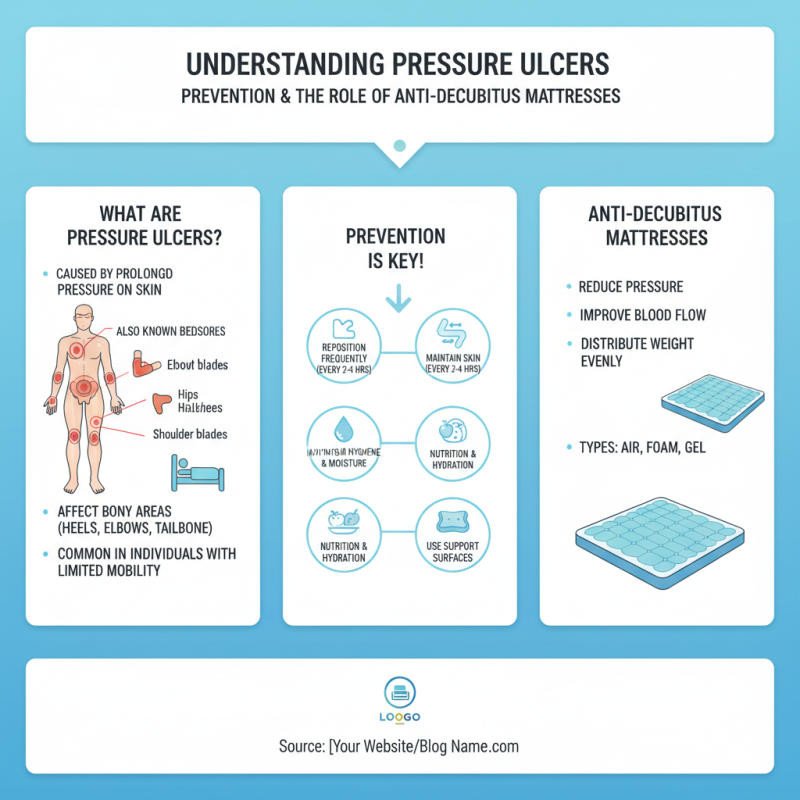
Pressure ulcers, also known as bedsores, develop due to prolonged pressure on the skin. They can occur in individuals with limited mobility. These injuries typically affect areas over bony prominences, such as heels, elbows, and the tailbone. Understanding these wounds is crucial for prevention and treatment.
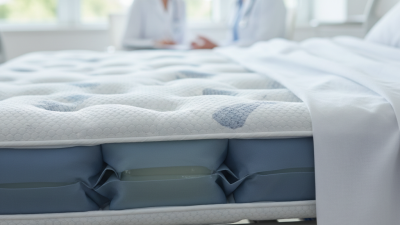
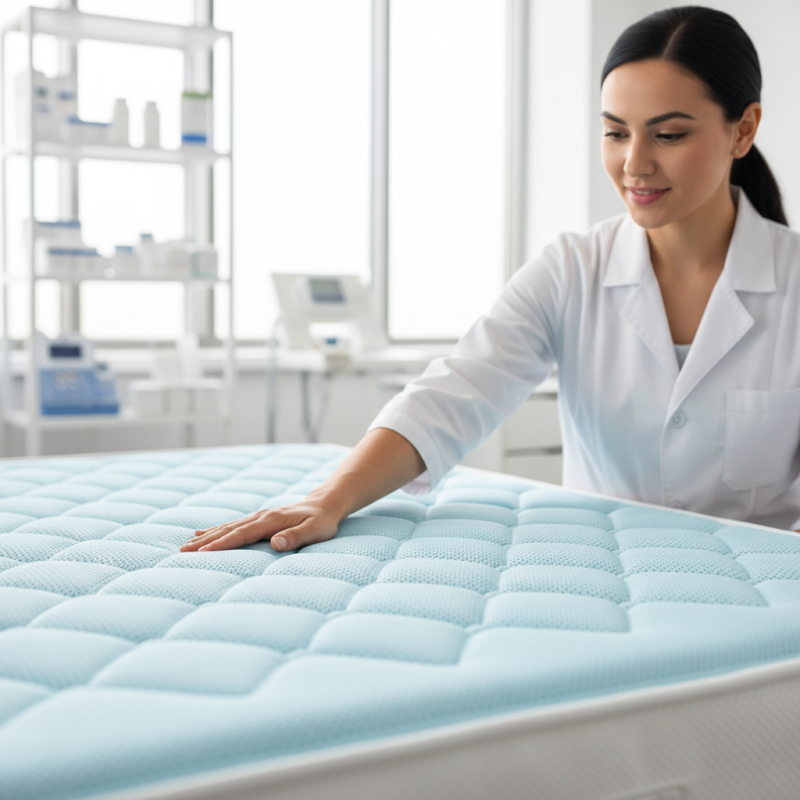
Anti-decubitus mattresses play a significant role in pressure relief. They redistribute body weight, reducing pressure on vulnerable areas. Many mattresses utilize air-filled chambers or foam layers to enhance comfort. However, choosing the right mattress is not always straightforward. Different designs serve distinct needs.
It’s essential to assess individual requirements. Consulting healthcare professionals can guide the selection process. Awareness of mattress quality and features is vital. While some may assume that more expensive options are superior, this isn’t always true. It’s important to reflect on personal experiences with pressure relief solutions.
Key Features of Effective Anti-Decubitus Mattresses for Pressure Relief
When looking for the best anti-decubitus mattress, understanding key features is essential. These mattresses are designed to relieve pressure, which can significantly benefit those at risk of bedsores. An effective mattress often uses specialized materials that distribute body weight evenly. This helps reduce the impact on vulnerable skin areas.
Customizable firmness levels can enhance comfort. Some users prefer softer surfaces while others might need firmer support. The choice affects pressure relief. Additionally, breathable materials are crucial for maintaining skin health. They help regulate temperature and wick away moisture, reducing the risk of skin breakdown.
Another vital aspect is the mattress's durability. Regular wear and tear can compromise its effectiveness over time. Users must consider longevity and ease of cleaning. Inadequate care can lead to hygiene issues. Regular inspections help maintain mattress integrity. An effective mattress demands attention and care, reflecting the user's commitment to health.
Best Anti Decubitus Mattress for Pressure Relief Solutions
| Feature |
Description |
Effectiveness |
| Material Type |
High-density foam, gel-infused, or air-filled to provide maximum support and comfort. |
Excellent |
| Pressure Relief |
Designed to evenly distribute body weight and reduce pressure points. |
High |
| Adjustability |
Adjustable firmness levels to accommodate different body types and preferences. |
Good |
| Cooling Features |
Incorporates cooling gel or breathable materials to enhance air circulation. |
Very effective |
| Cover Material |
Waterproof and breathable covers to protect the mattress while ensuring comfort. |
Excellent |
| Weight Capacity |
Supports various weight limits according to different users. |
Variable |
| Warranty |
Long-term warranty options to ensure product quality. |
Highly recommended |
Comparative Analysis of Material Types: Foam vs. Air vs. Hybrid Mattresses
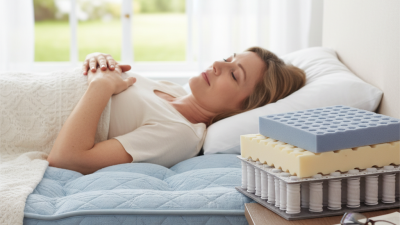
When considering the best anti-decubitus mattress, understanding the material types is vital. Foam mattresses offer excellent weight distribution and cushioning, reducing pressure points. They conform to the body's shape but may retain heat. This can lead to discomfort for some users, making breathability an important factor.
Air mattresses, on the other hand, provide adjustable firmness. Users can modify the air levels to meet their comfort needs. These mattresses promote airflow, reducing moisture buildup. However, they may feel less supportive for some people. Regular adjustments are necessary to maintain comfort, which might be inconvenient.
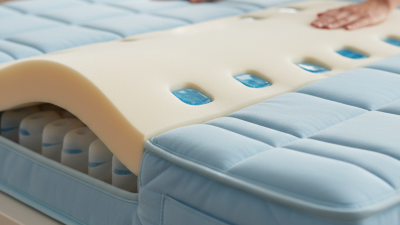
Hybrid mattresses combine foam and air technologies. They provide support, comfort, and temperature regulation. These mattresses can be an efficient choice for individuals needing varied pressure relief throughout the night. When selecting a hybrid model, do your research to find the best balance of materials to meet your needs.
Tips: Always test mattresses in-store if possible. Pay attention to the return policy for online purchases. This is crucial, as comfort can be subjective. Regularly adjust your mattress settings based on your body’s needs. This can enhance your sleeping experience significantly.
Clinical Evidence Supporting the Use of Anti-Decubitus Mattresses for Prevention
Anti-decubitus mattresses are crucial for patients at risk of pressure ulcers. Clinical studies suggest that these mattresses significantly reduce the incidence of skin breakdown. According to the National Pressure Ulcer Advisory Panel, around 2.5 million patients in the U.S. develop pressure injuries each year. Proper mattress selection is essential for effective prevention.
Research indicates that anti-decubitus mattresses can improve blood circulation and redistribute body weight. A study published in *BMC Geriatrics* found that using specialized mattresses decreased ulcer development by 54% in high-risk patients. This statistic underscores the importance of evidence-based practices in healthcare settings. However, not all mattresses provide adequate support. Continuous evaluation of mattress performance is needed to ensure patient safety.
Healthcare professionals must remain vigilant about mattress selection. Some patients might not respond positively to certain types. This brings attention to the necessity of individualized care plans. Ongoing training and awareness are vital for staff to identify the best options. The role of anti-decubitus mattresses in patient care is significant but requires constant assessment and improvement.
Best Anti Decubitus Mattress for Pressure Relief Solutions