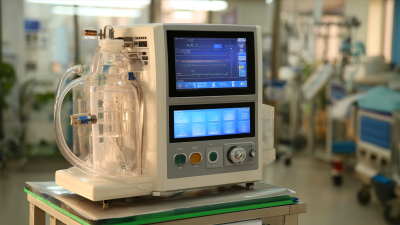
Best Mobile Suction Machine for Efficient Healthcare Solutions?
In the fast-evolving realm of healthcare, the Mobile Suction Machine stands out as a vital tool. These devices are essential for clearing airways, especially in emergencies. Their portability makes them indispensable in various settings, from ambulances to remote clinics. Medical professionals increasingly rely on mobile suction machines to deliver immediate care.
The efficiency of these machines can vary significantly. Some models boast robust suction capabilities while remaining lightweight. Others might be compact but lack power. As healthcare solutions demand adaptability, understanding the right machine is crucial. It impacts patient outcomes directly.
Selecting the best Mobile Suction Machine requires careful consideration. Users should assess durability, battery life, and ease of use. Not every model meets the rigorous demands of clinical environments. Researching reviews and technical specifications can guide informed choices. In an industry where every second counts, the right equipment truly makes a difference.
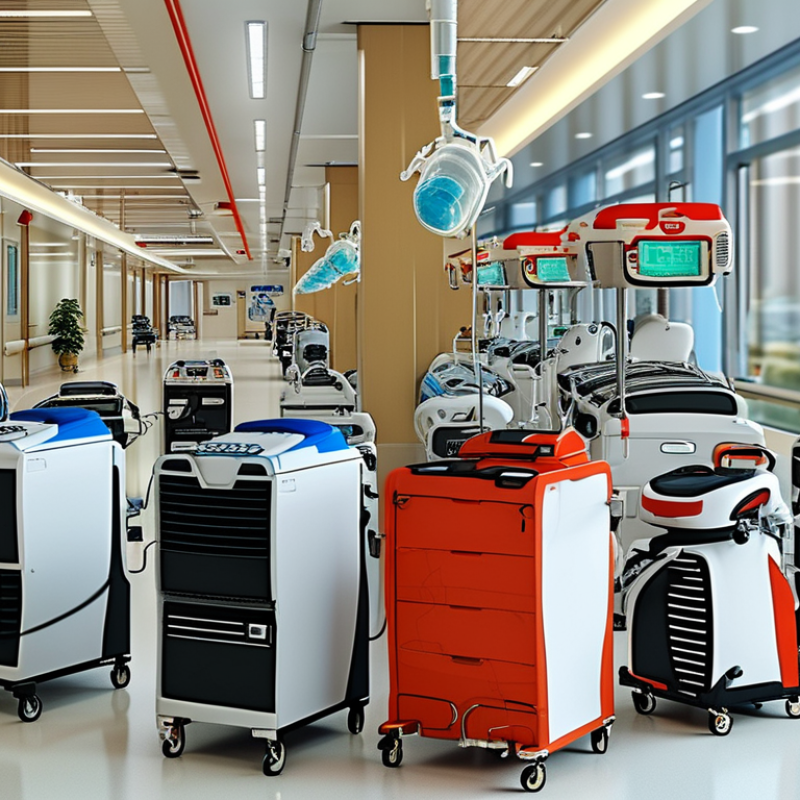
Overview of Mobile Suction Machines in Healthcare Settings
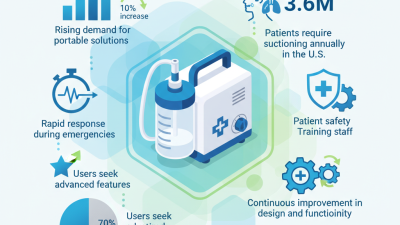
Mobile suction machines play a crucial role in healthcare settings. They are vital for clearing airways, especially in emergency situations. Studies show that timely suctioning can significantly reduce complications in patients with respiratory issues. Effective suctioning procedures can improve patient outcomes, sometimes by as much as 30%. These machines offer portability, enhancing their utility across various environments, from hospitals to outpatient clinics.
In mobile healthcare, efficiency is key. Healthcare professionals often face unpredictable situations. The right mobile suction machine can adapt quickly to changing needs, whether in an ambulance or during home care. The ease of transport means that suction capabilities are never far away, ensuring that care providers are prepared at all times. However, not all machines fit every scenario. Some models may lack the power needed for more extensive procedures, highlighting the need for careful selection.
Moreover, while mobile suction machines are designed for efficiency, they also require regular maintenance. Neglecting maintenance can lead to malfunctions. This is a concern that can undermine the reliability of these machines during critical moments. An effective suction machine should not only be portable but also dependable. There’s always room for improvement in ensuring these tools meet the highest standards of care.
Best Mobile Suction Machine for Efficient Healthcare Solutions
| Model |
Suction Power (mmHg) |
Weight (lbs) |
Battery Life (hrs) |
Noise Level (dB) |
Key Feature |
| Model A |
560 |
10 |
8 |
60 |
Compact Design |
| Model B |
600 |
12 |
10 |
55 |
Rechargeable Battery |
| Model C |
520 |
8 |
6 |
62 |
Lightweight |
| Model D |
630 |
11 |
12 |
50 |
High Suction Efficiency |
Key Features to Consider When Choosing a Mobile Suction Machine
When selecting a mobile suction machine, several key features are essential. Portability is crucial for healthcare providers on the go. A lightweight design allows for easy transport between locations. Look for machines with ergonomic handles for comfort. Battery life also matters; prolonged usage without the need for frequent charging is advantageous.
Another vital feature is suction power. The machine should deliver reliable suction capabilities, ensuring effective operation in emergencies. Adjustable settings allow for tailored suction levels according to different medical needs. Consider noise levels, too; quieter devices improve patient comfort during use.
User-friendliness should not be overlooked. Intuitive controls are essential, especially in urgent situations. Maintenance requirements also play a role. Machines that are easy to clean and maintain save time and are more efficient. Reflect on the overall durability and construction of the device. A sturdy build ensures reliability over time, while also reflecting the quality of care provided to patients.
Comparative Analysis of Top Mobile Suction Machines by Market Share
In the medical field, mobile suction machines play a critical role. They are essential for patient care, especially in emergency situations. A recent report by MarketsandMarkets highlights that the global market for mobile suction devices is projected to reach $1.5 billion by 2027, growing at a CAGR of 4.5%.
Analysis shows that key functionalities include portability, battery life, and suction power. A survey from ResearchAndMarkets indicates that approximately 60% of healthcare professionals prioritize efficiency and ease of use when selecting these devices. However, some models lack robust battery life, affecting their reliability during emergencies. This can lead to a significant gap in patient care if not addressed.
User feedback often highlights the variability in suction strength among different devices. Discrepancies can lead to challenges in maintaining consistent performance in critical situations. Furthermore, the market is filled with options, yet not all are created equal. Clinicians need to carefully analyze specifications and user experiences to identify the best choices for their specific needs.
Impact of Mobile Suction Machines on Patient Outcomes and Efficiency
Mobile suction machines have transformed patient care in various healthcare settings. These devices enable rapid clearance of airways, enhancing patient comfort. When utilized effectively, they can lead to quicker recovery times and improved outcomes. This is particularly evident in emergency situations where timely intervention is crucial.
However, the efficiency of these machines relies significantly on operator training and understanding of protocols. Proper technique is essential to minimize trauma and maximize suction efficacy. Inadequate training can result in complications, such as airway damage or infection. It's crucial that healthcare providers continuously assess their practices to ensure they are utilizing mobile suction machines to their full potential.
Adaptability in different environments is another key advantage. Whether in a hospital, ambulance, or remote location, mobile suction machines are vital. Yet, challenges remain in terms of power supply and maintenance. Regular checks are necessary to prevent failures in critical moments. Overall, while mobile suction machines greatly enhance healthcare solutions, ongoing education and evaluation are essential for optimal performance.
Regulatory Standards and Safety Considerations for Medical Suction Devices
When considering mobile suction machines, regulatory standards play a critical role. Compliance ensures that devices are safe and effective for healthcare solutions. Medical suction devices must meet rigorous testing to ensure reliability. This involves understanding various certifications that guarantee device performance.
A crucial aspect is safety. Devices should have features that prevent contamination and ensure sterile operation. Regular maintenance and inspections are also vital. These practices enhance reliability and longevity.
Tips: Always check for the latest safety certifications. Regularly train staff on proper usage. Implement a scheduled maintenance routine to address issues before they escalate. It's important to continuously evaluate how these devices perform in clinical settings. Gather feedback to improve operational efficiency.