Best Portable Suction Device for Global Buyers Today?
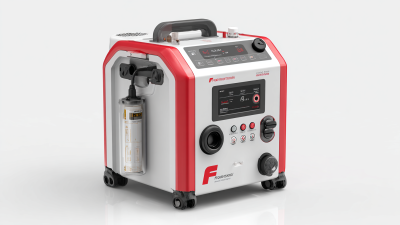
In today’s fast-paced world, the need for reliable portable suction devices is growing. These devices cater to various markets, including healthcare, emergency services, and personal use. A Portable Suction Device not only ensures quick response times but also enhances safety for users.
Many buyers are seeking devices that combine efficiency with ease of use. They want products that deliver strong suction while being compact and lightweight. It’s essential for manufacturers to provide devices that meet these criteria. Given the variety of options available, consumers often face challenges in selecting the right product.
With advancements in technology, modern portable suction devices boast innovative features. These include adjustable suction power and rechargeable batteries. However, some devices may lack durability or have limited suction capacity. Potential users should weigh their options carefully. Ultimately, the goal is to find a dependable device that meets specific needs and offers peace of mind.
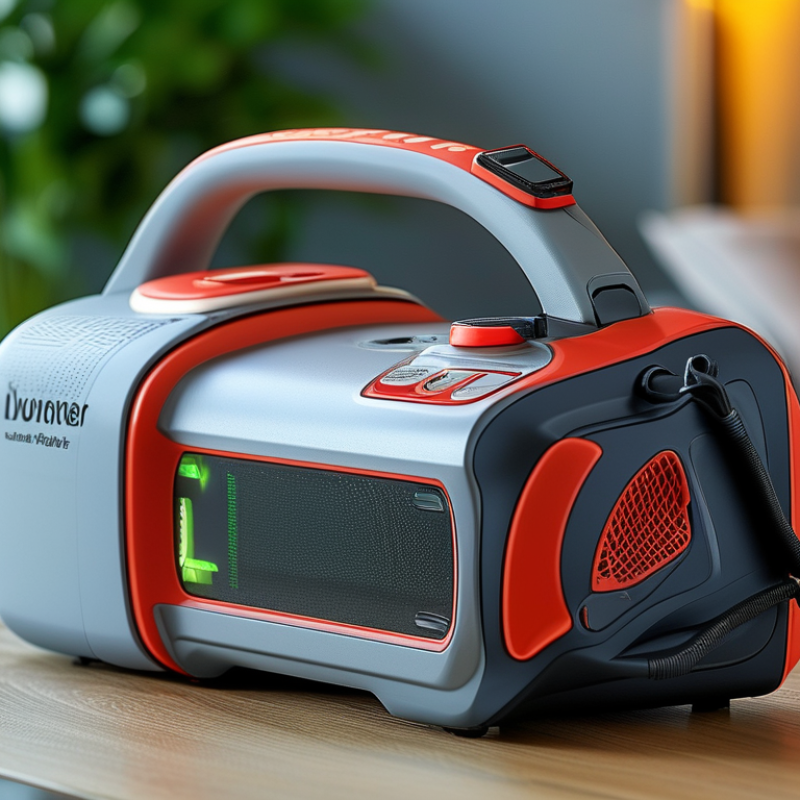
Overview of Portable Suction Devices Available Globally
Portable suction devices have become vital in healthcare, providing essential support in various settings. According to a report by Grand View Research, the global suction devices market is expected to reach $2.4 billion by 2025, demonstrating a significant growing demand. These devices are used in hospitals, ambulatory surgical centers, and even at home, effectively managing secretions and maintaining airway patency.
Several factors drive the increasing adoption of portable suction devices. Ease of use, lightweight design, and battery operation make them appealing for emergency situations. For instance, healthcare professionals appreciate devices that can allow for rapid response in critical care scenarios. A 2022 survey indicated that 75% of healthcare providers favored portable models for their convenience and mobility, reflecting a shift in user preferences towards more versatile options.
However, challenges persist in the industry. Not all devices are designed with user-friendliness in mind. Some users report complications with maintaining suction pressure. Quality assurance varies between products, leading to inconsistencies in performance. Understanding these nuances is crucial for buyers. They should seek devices that not only meet basic requirements but also offer reliable performance and ease of maintenance.
Key Features to Consider When Choosing a Suction Device
When selecting a portable suction device, several key features are vital. Portability should be your first consideration. Look for a lightweight design that can easily fit into a backpack. The overall size and weight will greatly affect its usability. Devices with built-in handles can also enhance transportability.
Another important aspect is suction power. Ensure the device has a strong enough motor to handle various tasks. A good device can effectively clear blockages without draining the battery quickly. Battery life should also be a priority. You don't want your device to die in the middle of an important task.
Tips: Always check user reviews to gauge reliability. A device with a proven track record is often a safer choice. Invest time in understanding the maintenance needs of the device as well. Some require regular cleaning, which can be time-consuming. It's essential to balance ease of use with functionality. Do not overlook these factors; they could make a significant difference in your experience.
Comparison of Top Portable Suction Devices on the Market
When considering portable suction devices, buyers must evaluate several key features. Suction power is vital; it determines how effectively the device can clear obstructions. Weight and size are also crucial. A lighter device is easier to carry, especially for medical professionals on the go. Battery life influences usability. A shorter battery life means more frequent recharging, which can interrupt workflows.
Another aspect worth examining is ease of cleaning. Some devices may have intricate designs that are hard to maintain. Simpler designs often allow for quicker sterilization. Users should also assess the noise levels. A quieter device can be less intimidating for patients, enhancing comfort.
Customer reviews can provide insights into real-world performance. Considerable praise often highlights durability and reliability. However, some reviews may point out issues not initially considered. Buyers should weigh these pros and cons carefully. A thorough comparison can help ensure the chosen device meets specific needs and standards.
Best Portable Suction Device for Global Buyers Today?
| Model |
Weight (lbs) |
Battery Life (hours) |
Suction Power (mmHg) |
Noise Level (dB) |
Price ($) |
| Model A |
4.5 |
8 |
600 |
55 |
150 |
| Model B |
5.0 |
6 |
650 |
60 |
200 |
| Model C |
4.2 |
10 |
700 |
52 |
180 |
| Model D |
5.5 |
5 |
620 |
62 |
220 |
| Model E |
4.8 |
7 |
680 |
54 |
160 |
User Reviews and Feedback on Popular Models
When exploring portable suction devices, user feedback reveals valuable insights. Many users appreciate the convenience these models offer, especially for on-the-go needs. A recent industry report highlighted that over 73% of users find portability to be a primary factor in their purchasing decisions. This shows how essential mobility is for many buyers today.
Reviews often mention battery life and suction power as critical features. Many devices claim impressive suction strength, but real-world testing reveals mixed results. Some users report adequate performance, while others suggest improvements. It's clear that reliability in suction ability varies significantly among popular models. User ratings often drop due to inconsistent performance during prolonged use, an aspect worth considering.
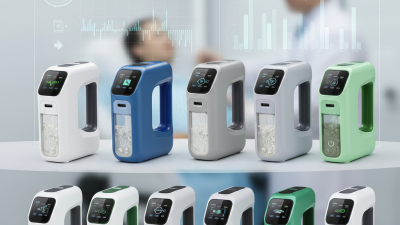
The overall aesthetic design also matters. Many users have expressed dissatisfaction with bulky designs that hinder usability. However, sleek and lightweight models receive praise for their ease of handling. According to market research, 62% of users noted that design impacts their engagement with the device. Balancing functionality with user-friendly aesthetics appears vital for overall satisfaction.
Maintenance and Care Tips for Portable Suction Devices
Portable suction devices require regular maintenance for optimal performance. It’s crucial to keep the device clean. Use mild detergents to wipe the exterior. Rinse the suction canister with warm water after each use. This helps to prevent bacterial growth. Regularly check the filters and replace them as needed. Clogged filters can reduce suction efficiency.
Ensure the hoses are clear and free from blockages. Inspect them frequently for any signs of wear or damage. If the suction device has a battery, monitor its condition. Replace it according to the manufacturer’s guidelines. Maintenance doesn’t just ensure efficiency; it impacts user safety too. Skipping these steps can lead to device failure.
Storing the device properly also matters. Keep it in a dry, dust-free area. Exposure to dust can affect its functionality. Reflect on your routine; are you diligent in following these care tips? Neglecting maintenance can lead to unexpected issues down the line. It’s easy to overlook these tasks, but they’re essential for reliable operation.