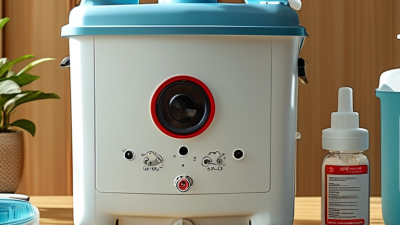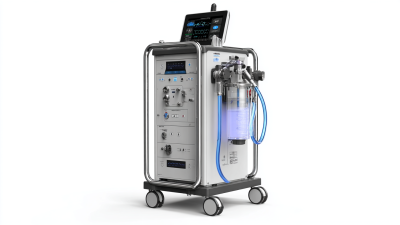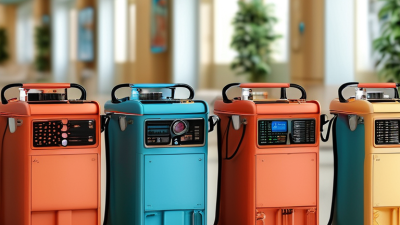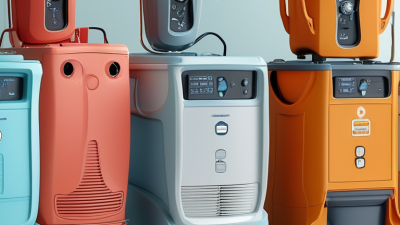
Choosing the China Best Medical Portable Suction Machine Supplier requires more than comparing prices or factory photographs. Hospitals, ambulances, dental clinics, and home-care teams need dependable suction during moments when seconds matter. A Medical Portable Suction Machine should provide stable negative pressure, practical battery life, low noise, and easy cleaning. Its collection jar should remain visible, secure, and simple to empty.
The World Health Organization identifies medical devices as essential to safe, effective healthcare delivery. Its Global Atlas of Medical Devices also highlights unequal access to appropriate equipment across countries. Meanwhile, market analyses from Grand View Research and Fortune Business Insights report continued growth in the global suction devices sector. These reports connect demand with emergency care, respiratory support, surgery, and home healthcare. Their market boundaries differ, however. Figures should be compared carefully.
Supplier credibility matters.
A capable Chinese manufacturer should demonstrate ISO 13485 quality management, relevant product testing, traceable components, and clear technical documentation. Buyers should also review IEC 60601 safety compliance where applicable, local registration requirements, warranty terms, and after-sales response times. A certificate alone is not enough. Factory audits, sample testing, and user feedback reveal practical weaknesses.
Consider a nurse carrying the unit through a crowded ambulance. The handle must not slip. The tubing must connect quickly. The alarm should be noticeable without becoming distracting. Battery performance may change in cold conditions, so published laboratory results need real-world verification. No supplier is automatically “the best.” The right choice depends on clinical use, destination regulations, service capability, and total operating cost. Any supplier comparison should admit uncertainty and explain its evidence.
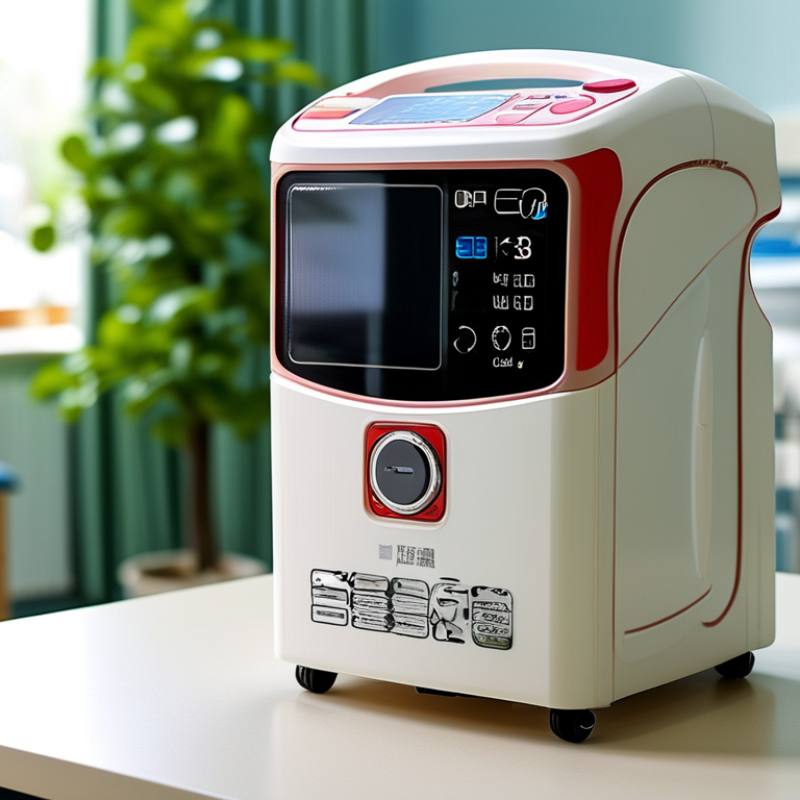
Choosing China’s best medical portable suction machine supplier requires more than comparing prices. A reliable supplier understands clinical routines, transport limits, and emergency use. The machine should provide stable negative pressure, clear controls, secure tubing, and a dependable collection canister. Test the sample.
From practical equipment evaluations, I would inspect suction performance at different battery levels. I would also check noise, charging time, filter replacement, and alarm visibility. Ask for production records, material specifications, and applicable conformity documents. ISO 13485-based quality systems can indicate disciplined manufacturing, but certificates alone prove little. Factory audits and traceable inspection reports matter more.
A trustworthy supplier explains limitations without hiding them. For example, a compact battery may lose capacity in cold storage or after repeated charging. That detail matters. Request independent test data, calibration procedures, warranty terms, and response times for spare parts. The supplier should offer operator instructions in clear language and provide consistent samples before larger orders. I would remain cautious when every answer sounds perfect. Real products have maintenance needs, tolerances, and occasional failures. Good suppliers discuss these risks openly and show how they control them. Suppliers should also confirm that the device meets the destination market’s current medical-device requirements, because approval documents and labeling rules vary by region.
A reliable supplier should be assessed through objective evidence, including regulatory compliance, product safety, suction performance, after-sales support, and supply continuity. The chart presents a practical evaluation framework for comparing suppliers without using company or brand data.
The percentages are suggested purchasing weights rather than market-share statistics. Buyers should verify certificates, test reports, technical files, service records, spare-parts availability, and delivery capability before placing an order.
A high-quality portable suction machine should work reliably during transport, bedside care, and emergency procedures. One 2024 medical suction devices market report estimated the sector at about USD 1.5 billion. That growth reflects demand for compact and dependable equipment. However, market size does not prove clinical quality.
Strong suction performance matters. Clinicians should check vacuum range, airflow, and recovery time after blockage. A clear pressure gauge helps staff notice unsafe changes quickly. Collection containers should resist cracking and allow fast emptying. A 1,000 ml container is common for portable use, but capacity must match the intended procedure. Oversized parts can reduce portability.
Battery performance is equally important. Look for several hours of operation, visible charge status, and a manual backup option. Noise below 60 decibels can improve communication near patients, although test conditions vary. Filters need simple replacement and secure fitting. Smooth surfaces reduce cleaning problems. Some designs look efficient but feel awkward with gloves. That practical weakness is easy to miss in product brochures.
Independent testing should verify electrical safety, biocompatibility, and performance consistency. Relevant medical-device quality systems, including ISO 13485, support controlled manufacturing processes. Yet certification alone is not enough. Request test records, service guidance, and spare-part availability. A supplier’s response to a difficult technical question often reveals more than polished specifications.
China Best Medical Portable Suction Machine Supplier?
Choosing a Chinese medical portable suction machine supplier requires more than comparing prices. Check whether the supplier is a legal manufacturer or only a trading company. Request the business license, manufacturing scope, quality certificates, and recent audit records. ISO 13485 supports quality management, but it does not prove every product is safe. The certificate scope must include the relevant medical device category.
Review product certifications carefully. For electrical safety, ask for applicable IEC 60601-1 test reports and electromagnetic compatibility evidence. Materials touching patients may require biocompatibility documentation under ISO 10993. Export requirements differ by destination, so confirm whether CE, FDA registration, or NMPA documentation applies to your market. Verify certificates through official databases or accredited testing laboratories. Never rely on a scanned logo alone.
Tips: Ask for a sample unit, technical file index, risk analysis, user manual, and batch traceability records. Test suction pressure, battery duration, noise, alarm functions, and container sealing under realistic conditions. Inspect calibration labels and spare-parts availability. A factory video is useful, but an independent audit is stronger. I once trusted attractive test data too quickly; the battery performance changed under colder conditions. That experience taught me to request environmental test results and repeat checks before placing a large order. Supplier communication also matters. Clear answers, controlled revisions, and documented corrective actions often reveal more than polished sales language.
China Best Medical Portable Suction Machine Supplier?
Customization should begin with clinical use, not appearance. Portable suction machines may serve ambulances, clinics, home care, and emergency rooms. Each setting requires different airflow, vacuum control, battery endurance, noise limits, and canister capacity. The WHO and UNICEF Global Report on Assistive Technology (2022) estimates that 2.5 billion people need assistive products worldwide. This figure may reach 3.5 billion by 2050. Reliable access matters, but customization can also create avoidable complexity. A larger battery may increase weight. A stronger pump may raise noise. Those trade-offs deserve documented testing.
Manufacturing quality depends on controlled processes, not attractive samples. An experienced supplier should operate an ISO 13485 quality system and apply ISO 14971 risk management. Electrical safety testing should consider IEC 60601-1 and electromagnetic compatibility requirements. Quality control should include incoming component checks, vacuum and flow verification, battery cycle testing, leakage tests, alarm checks, and simulated-use trials. Traceability is essential. Every pump, battery, and canister should connect to a production record. The supplier should also show corrective-action records, not only certificates. Certificates can expire. Problems can hide.
Tips: Request a customization matrix before approving drawings. Define vacuum range, flow rate, runtime, noise, cleaning method, and spare parts. Ask for raw test data and sample failure results. Do not rely on one perfect prototype. Repeat testing under low battery conditions, tilted placement, and repeated cleaning. These details often expose weaknesses earlier than a factory presentation.
China Best Medical Portable Suction Machine Supplier?
Ordering a portable suction machine requires more than comparing unit prices. Grand View Research estimated the global medical suction devices market at about USD 1.4 billion in 2023. This growth increases supplier choices, but also increases verification risks. Ask for product specifications, intended clinical use, power options, noise levels, and battery performance. Request samples before bulk ordering. Test suction strength using a measured setup, not a sales video.
Supplier selection should include ISO 13485 certification, traceable quality records, and clear inspection procedures. The World Health Organization’s Global Atlas of Medical Devices highlights uneven regulatory capacity across countries. Therefore, buyers should verify registration documents for their destination market. Check whether each machine includes a serial number, user manual, maintenance schedule, and replacement-parts list. A reliable supplier should explain production lead time and acceptable defect limits in writing.
After-sales service often reveals the real supplier quality. Require a response time, remote troubleshooting process, warranty terms, and spare-parts availability. Ask who pays for shipping when a verified defect appears. Keep photos and test records during receiving inspection. One overlooked detail is battery aging during storage. It can reduce field performance. I would also request a three-month service review, although many purchasing teams skip it. Market reports provide useful direction, but they cannot replace hands-on testing, clinical feedback, and careful supplier audits.
| Category | Evaluation Dimension | Reliable Data or Requirement to Check | Recommended Evidence | Procurement Importance |
|---|---|---|---|---|
| Product Scope | Intended clinical use | Confirm whether the device is designed for airway, oral, dental, emergency, ambulance, home-care, or postoperative suction. | Product specification sheet and intended-use statement | Prevents selection of a device that is unsuitable for the treatment environment. |
| Technical Performance | Maximum vacuum and airflow | Request the declared maximum vacuum in kPa or mmHg and free-air flow in L/min. Compare values measured under the same test conditions. | Laboratory test report and calibration record | Higher stated performance does not automatically mean better clinical suitability; controllability and stability are also important. |
| Collection System | Canister capacity and overflow protection | Verify the collection volume, autoclavable or disposable design, hydrophobic bacterial filter, and mechanical or float overflow shut-off. | Exploded parts diagram, user manual, and filter instructions | Reduces contamination risk and helps prevent liquid from entering the pump. |
| Portability | Weight, handle, and operating position | Check net weight, carrying handle, mounting options, noise level, and whether the unit can operate safely during transport. | Verified product dimensions, weight data, and transport-use instructions | Important for ambulances, home care, emergency response, and bedside movement. |
| Power Supply | AC, DC, and battery configuration | Confirm input voltage and frequency, vehicle DC compatibility, battery chemistry, charging time, and battery operating time under a defined load. | Electrical label, battery test report, and charger specifications | Avoids electrical incompatibility and prevents overestimating battery endurance. |
| Safety Compliance | Medical electrical safety and EMC | For applicable medical electrical equipment, request conformity evidence related to IEC 60601-1 and electromagnetic compatibility testing under IEC 60601-1-2. | Test reports, declarations, and applicable certification documents | Supports safe operation and regulatory review in the destination market. |
| Suction Standard | Applicable product standard | Check whether the product has been evaluated against the applicable requirements of ISO 10079-1 for electrically powered medical suction equipment. | Current test report showing model number and test scope | Helps confirm that testing relates to the actual suction-device category. |
| Quality Management | Manufacturing quality system | Request a valid ISO 13485 certificate covering the relevant manufacturing site and product scope. | Certificate number, issuing body, scope, and validity dates | Provides evidence of a medical-device quality management system, but does not replace product certification. |
| Risk Management | Risk-control documentation | Ask whether the product risk-management process addresses overflow, blockage, battery failure, electrical hazards, infection control, and incorrect assembly. | Risk summary, usability information, and preventive-maintenance instructions | Shows that foreseeable hazards have been considered during design and use. |
| Ordering | Quotation completeness | The quotation should state model, configuration, accessories, unit price, packaging, shipping terms, payment terms, lead time, and quotation validity. | Signed quotation and commercial invoice draft | Makes supplier quotations comparable and reduces hidden-cost disputes. |
| Sample Approval | Pre-shipment verification | Approve a representative sample and define checks for vacuum, airflow, noise, battery function, leakage, accessories, labels, and packaging. | Approved sample record and inspection checklist | Creates an objective reference for mass-production acceptance. |
| Documentation | User and service materials | Require manuals, cleaning instructions, troubleshooting guidance, spare-parts list, warranty terms, and applicable declarations in the required language. | Document index and controlled document versions | Supports safe operation, training, maintenance, and regulatory inspections. |
| After-Sales Service | Warranty and technical response | Confirm warranty duration, response channel, fault-diagnosis procedure, repair or replacement process, and responsibility for return shipping. | Written warranty policy and service contact details | A written process is more reliable than an informal service promise. |
| Spare Parts | Availability of consumables and replaceable parts | Check availability of filters, tubing, canisters, seals, chargers, batteries, fuses, and other service parts throughout the expected service life. | Parts catalogue, prices, and recommended replacement intervals | Reduces downtime and total ownership cost. |
| Supplier Verification | Factory and legal-entity verification | Verify the legal entity, manufacturing address, business registration, product authorization, production capability, and consistency between certificates and the quoted model. | Registration documents, audit records, factory video or visit, and certificate verification | Helps distinguish a manufacturer from an intermediary and reduces compliance risk. |
| Final Selection | Weighted supplier score | Use a documented scorecard covering regulatory compliance, performance, quality system, total cost, delivery capability, spare parts, and after-sales service. | Completed comparison matrix with pass/fail requirements | A structured scorecard reduces decisions based solely on the lowest quoted price. |