Leave Your Message

Why Choose a Decubitus Mattress for Pressure Relief?

A Decubitus Mattress can help redistribute pressure for people who spend long periods in bed. That matters when limited movement leaves the heels, hips, or tailbone pressed against the same surface for hours. A suitable support surface may reduce sustained loading, but it cannot guarantee that pressure injuries will not develop. Individual risk, mobility, skin condition, and care routines all matter.

Wound-care expert Dr. Joyce Black is known for her work in pressure-injury prevention. A careful paraphrase of the clinical principle reflected in that work is: “A mattress can support prevention, but it cannot replace individualized care.” Consider the practical details: a heel resting on a firm edge, damp sheets after sweating, or a patient unable to turn without help. These details can change which surface is appropriate. Some people may benefit from high-specification foam; others may need an alternating-pressure system, selected with a clinician’s input. The label alone is not enough. Fit matters. So does regular skin observation and a repositioning plan tailored to the person. Still, mattress performance is easy to overestimate. A Decubitus Mattress is one part of pressure relief, not a complete care plan. Reviewing comfort, fit, and skin changes helps caregivers make more informed choices—and notice when the plan needs another look.

Why Choose a Decubitus Mattress for Pressure Relief?

What a Decubitus Mattress Is and How It Works

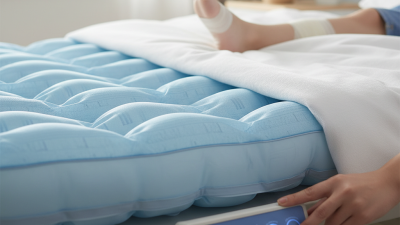
A decubitus mattress is designed to reduce prolonged pressure on the skin and underlying tissue. The term is commonly used for support surfaces intended for people who spend long periods in bed. Some models use shaped foam to spread body weight over a wider area. Others contain air cells that alternately inflate and soften beneath the body. The goal is not to remove pressure completely. It is to redistribute it and support blood flow.

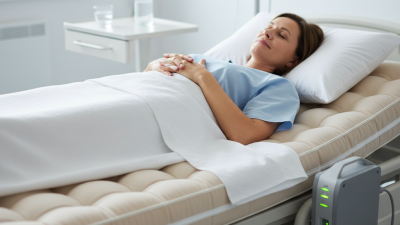
On a foam surface, the mattress compresses under heavier areas, such as the hips and heels, while supporting nearby areas. An alternating-air mattress changes pressure in different cells over time. You may hear a quiet pump and feel a gentle shift beneath the sheets. Some people find this noticeable at first. The right surface depends on a person’s mobility, skin condition, comfort, and care needs, so a clinician should help guide the choice.

A mattress is only one part of pressure care. Regular repositioning, clean and dry bedding, and skin checks still matter. Look for persistent redness, warmth, or broken skin, especially over bony areas. No mattress is magic. Even a suitable model may not work well if it is set up incorrectly or does not match the person’s needs. The details can be easy to miss. Monitor comfort and skin changes, and ask a healthcare professional to review the care plan when concerns arise.
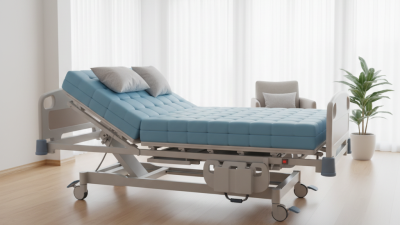
How Prolonged Pressure Contributes to Skin and Tissue Injury

When someone remains in one position for hours, body weight presses small areas against a bed or chair. The heels, hips, tailbone, and ankles are especially vulnerable. Sustained pressure can narrow blood vessels and reduce oxygen reaching the skin and deeper tissue. Friction and moisture may add to the stress, particularly when skin slides across a damp sheet. Early changes can be subtle: warmth, tenderness, or a patch of redness that does not fade after pressure is removed. Deeper injury may develop before the surface looks badly damaged. That is easy to miss.

A decubitus mattress helps spread body weight across a broader area. Some models use alternating air cells; others use shaped foam to reduce pressure peaks. The right choice depends on mobility, skin condition, comfort, and clinical assessment. A mattress is not a substitute for regular repositioning, skin checks, and keeping bedding dry. Small changes matter. In practice, routines can slip on busy days, and even a suitable mattress cannot remove every risk. A clinician or wound-care professional can help assess the person’s needs and review whether the support surface is working.

How Decubitus Mattresses Redistribute Pressure

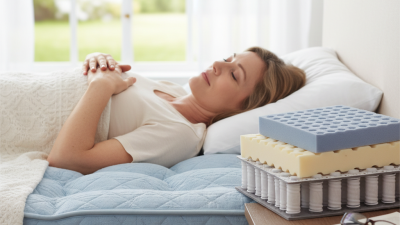
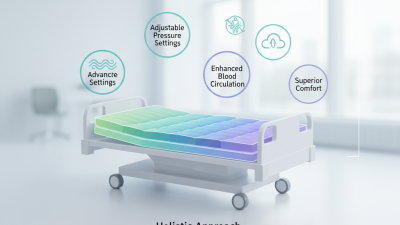
A decubitus mattress redistributes pressure by spreading body weight over a wider surface. Foam surfaces allow the shoulders and hips to sink slightly, while the mattress contours around the body. This immersion and envelopment can reduce concentrated loading over bony areas. Alternating-pressure systems go further: air cells inflate and deflate in cycles, shifting which parts of the body bear more load. Small shifts matter. But pressure remains, and a mattress cannot replace repositioning or regular skin checks.

The 2019 International Guideline from NPIAP, EPUAP, and PPPIA recommends selecting support surfaces according to a person’s risk, mobility, and care needs. A 2021 Cochrane review examined 65 studies involving 14,332 participants; it found that evidence comparing many support surfaces varied in certainty. That is a useful caution: no single mattress suits everyone. AHRQ has reported that more than 2.5 million people in the United States develop pressure injuries each year, underscoring the value of prevention. In practice, caregivers should check that heels are not pressed against the bed, bedding is smooth, and the mattress still redistributes load when the person changes position. It is not magic. Comfort, fit, and consistent care matter too.

Why Choose a Decubitus Mattress for Pressure Relief? - How Decubitus Mattresses Redistribute Pressure
Mattress Type How It Redistributes Pressure Common Use Considerations Practical Limitations
High-Specification Foam Contoured, layered foam compresses under the body and spreads load across a broader contact area. Often used for people at risk of pressure injuries who need a stable, non-powered surface. Support can change as foam wears; suitability depends on the person’s mobility, weight, and clinical needs.
Alternating-Pressure Air Powered air cells inflate and deflate in cycles, changing which areas of the body bear more of the load. May be considered when pressure relief needs are higher or repositioning is difficult; requires a power source and correct setup. Some users find the movement or pump noise uncomfortable. It does not replace skin checks or repositioning when advised.
Low-Air-Loss Air flows through the mattress surface to help manage heat and moisture while the support surface distributes pressure. May be useful when managing skin moisture is an important part of an overall care plan. Requires equipment and maintenance. Moisture management does not by itself prevent pressure injuries.
Air-Fluidized Air passes through fine particles, creating a fluid-like support surface that surrounds the body and distributes load over a larger area. Typically reserved for people with complex care needs under clinical supervision. Can limit mobility and make transfers more difficult; equipment, care requirements, and availability should be considered.
Why Pressure Redistribution Matters Reducing concentrated, sustained pressure can help limit stress on skin and underlying tissue, particularly over bony areas. Mattress choice should be matched to an individual assessment and combined with appropriate movement, skin inspection, and care. No mattress completely removes pressure-injury risk. Seek guidance from a qualified healthcare professional for individual needs.

Types of Decubitus Mattresses and Their Key Features

Decubitus mattresses use different methods to reduce prolonged pressure on vulnerable areas such as the heels, hips, and tailbone. High-density foam mattresses spread body weight across a supportive surface. They have no moving parts and are often quiet, though comfort and support can vary with a person’s weight and mobility. Gel layers can add cushioning and help distribute pressure, but they may feel heavy or retain warmth.

Alternating-pressure mattresses inflate and deflate air cells in cycles, changing which areas bear the most pressure. Low-air-loss designs circulate air through the surface to help manage heat and moisture. Some combine both features. Small details matter. Check the controls, noise level, mattress fit, and ease of cleaning; a pump that is hard to reach can complicate daily care. More technology is not always better. A suitable choice depends on skin condition, movement, comfort, and clinical advice. Even a specialized mattress does not replace regular skin checks or repositioning when needed. I would not judge a mattress by its feature list alone; observe how the person actually rests on it.

Who May Benefit and How to Choose the Right Mattress

A decubitus mattress may help people who spend long periods in bed, have limited mobility, reduced sensation, or a previous pressure injury. Risk can also rise with poor nutrition, moisture from incontinence, or fragile skin. AHRQ has reported that pressure injuries affect about 2.5 million hospital patients annually in the United States. That figure describes hospitals, not every person using a mattress at home. Still, it shows why prevention deserves attention. Fit matters.

Choosing a mattress starts with an individual risk assessment, not a product label. NICE recommends high-specification foam mattresses for adults at high risk, while some people may need a dynamic surface that changes pressure over time. A clinician can help weigh mobility, body size, skin condition, comfort, and care setting. Check weight limits, bed compatibility, transfer safety, and whether a pump’s sound or maintenance will be manageable. A mattress should support regular repositioning and skin checks; it cannot replace them. The less obvious issue is daily use: a surface that is difficult to set up may not be used consistently. Reassess the choice if skin changes, comfort worsens, or mobility shifts.