How to Choose the Right Anti-Decubitus Mattress for Pressure Sore Prevention?
Choosing the right Anti-Decubitus Mattress is crucial for preventing pressure sores. Dr. Emily Hartman, a recognized expert in wound care, emphasizes, "The right mattress can make a significant difference in patient comfort and healing."
When selecting an Anti-Decubitus Mattress, several factors come into play. These include the mattress material, firmness level, and the specific needs of the patient. Not every mattress works for every individual. For instance, some may require a softer surface, while others need added support.
The stakes are high, as pressure sores can lead to severe complications. Patients often struggle with discomfort and prolonged healing times. Investing in a quality Anti-Decubitus Mattress can boost comfort, reduce pain, and promote quicker recovery. However, not all options on the market meet the basic standards. It's important to navigate this landscape carefully and prioritize quality and expertise in your decision-making.
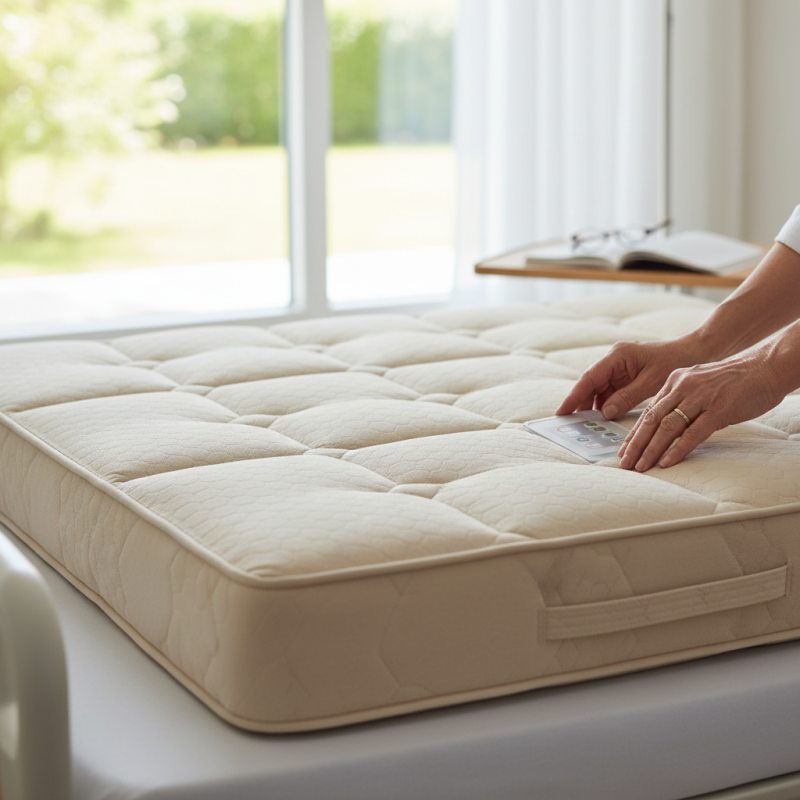
Factors to Consider When Choosing an Anti-Decubitus Mattress
Choosing the right anti-decubitus mattress is crucial for preventing pressure sores. Patients with limited mobility are at higher risk. According to a report by the National Pressure Injury Advisory Panel, about 2.5 million patients develop pressure injuries annually in the U.S. Selecting an appropriate mattress can significantly mitigate that risk.
When considering an anti-decubitus mattress, you should evaluate materials. Foam, gel, and air-filled options each have distinct benefits. Foam mattresses offer support and comfort, while air-filled mattresses adjust pressure points. A study published in the Journal of Wound Care found that alternating pressure mattresses reduce ulcer rates by up to 80%. Understanding these differences can guide your choice.
Weight and body type also matter. Heavier individuals may require firmer support. Insufficient support leads to sinking, increasing pressure on the skin. Regular assessments are vital. Body changes can affect the mattress's suitability. Inadequate evaluations may prolong discomfort and increase sore development risk. Balancing personal needs with professional recommendations is key.
Types of Anti-Decubitus Mattresses Available in the Market
When it comes to preventing pressure sores, choosing the right anti-decubitus mattress is crucial. There are several types available in the market, each designed for specific needs.
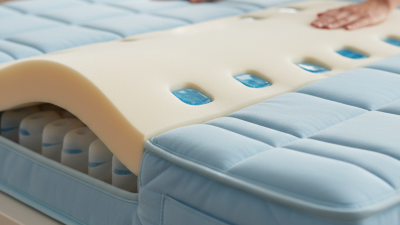
Foam mattresses are a popular choice. They distribute weight evenly, which helps reduce pressure points. However, they can retain heat, which may not be comfortable for some users.
Air-filled mattresses represent another option. These use air chambers to adjust firmness and support. Users can customize their comfort easily. However, regular maintenance is required to avoid leaks.
Gel mattresses are also gaining attention. They often combine foam with a gel layer to enhance pressure relief. While effective, they may be heavier and harder to move.
Understanding your requirements is key. Personal preferences and individual health issues play a role. It’s important to assess the weight and mobility of the person using the mattress. Not all options are suitable for everyone. Testing different types may reveal unexpected limitations. Ensure you consider your needs carefully. This can lead to better comfort and, ultimately, fewer sores.
Understanding Pressure Relieving Technologies in Mattresses
Choosing the right anti-decubitus mattress is crucial for preventing pressure sores, especially for individuals with limited mobility. Understanding pressure-relieving technologies can help in this decision. One of the leading technologies is the use of air-filled support systems. These mattresses dynamically adjust to body movements, redistributing pressure and enhancing blood flow. Research indicates that these systems can reduce the risk of pressure ulcers by up to 80%.
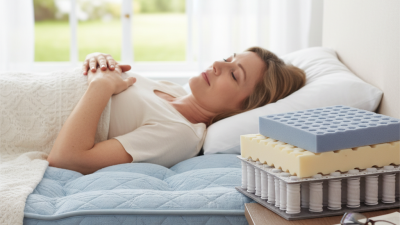
Another important technology is foam mattresses with varying densities. High-density foam provides better support and stability, accommodating body contours. According to a study published by the National Pressure Injury Advisory Panel, foam mattresses can significantly lower the incidence of pressure injuries when combined with regular repositioning. However, not all foam materials are created equal; some may lose their effectiveness over time or lack adequate ventilation, leading to discomfort.
Moreover, gel-infused and hybrid mattresses offer temperature regulation, which is essential for skin health. Excessive heat can exacerbate skin breakdown. Industry data suggests that combining temperature control with pressure relief technologies can optimize outcomes for patients at high risk of sores. Yet, users should reflect on their specific needs and preferences, as effectiveness can vary widely across different medical conditions and individual lifestyles.
Evaluating Mattress Size and Compatibility with Bed Frame
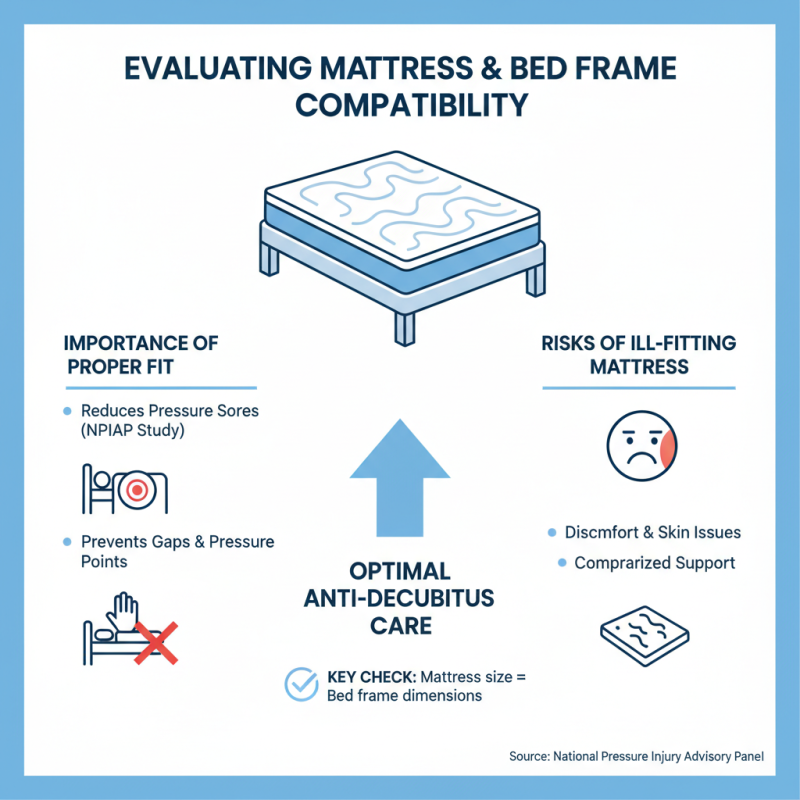
When selecting an anti-decubitus mattress, evaluating the size and compatibility with the bed frame is crucial. A study by the National Pressure Injury Advisory Panel indicates that proper fit can significantly reduce the risk of pressure sores. An ill-fitting mattress can create gaps or excessive pressure points, leading to discomfort and skin integrity issues.
Ensure that the mattress dimensions match the bed frame precisely. A typical twin mattress measures 38x75 inches. However, variations exist in other sizes like full, queen, and king. Even slight discrepancies can disrupt mattress performance. Compatibility ensures optimal support and improves patient comfort levels.
It is essential to consider the weight capacity of the mattress too. Some products support up to 500 pounds, while others may not offer adequate resilience. A 2020 report from Market Research Future also underscores that consumers often overlook this aspect, impacting its effectiveness. Adjusting size and weight compatibility needs careful attention to ensure safety and effectiveness in preventing pressure sores. Proper alignment can also help maintain proper body posture, furthering recovery.
Maintenance and Care Tips for Longevity of Anti-Decubitus Mattresses
Maintenance and care are crucial for the longevity of anti-decubitus mattresses. Regular cleaning helps prevent bacteria and odor build-up. Use mild soap and water for surface cleaning, avoiding harsh chemicals. Check for tears or leaks frequently. If you find any damage, address it promptly. Neglecting minor issues can lead to bigger problems.
Proper storage is also essential. When not in use, keep the mattress in a cool, dry place. This protects the materials from moisture and temperature fluctuations. Avoid folding or compressing, as this can compromise its structure. Ensure it's placed on a flat surface, allowing for even weight distribution.
Adjusting the mattress periodically enhances its effectiveness. Repositioning helps distribute pressure more equally. If the mattress is adjustable, adhere to the manufacturer’s guidelines. Periodic adjustments can prolong its life and effectiveness. Remember that even the best products require your attention to perform at their best.
How to Choose the Right Anti-Decubitus Mattress for Pressure Sore Prevention? - Maintenance and Care Tips for Longevity of Anti-Decubitus Mattresses
| Feature |
Description |
Care Tips |
| Type |
Alternating Pressure, Foam, Gel |
Choose according to patient needs and comfort. |
| Support Level |
Varies based on weight and condition |
Ensure proper inflation for air models; check firmness. |
| Material |
Latex, Polyurethane, Memory Foam |
Clean with appropriate cleaners, avoid harsh chemicals. |
| Cover |
Waterproof, breathable |
Regularly inspect for tears; replace if damaged. |
| Maintenance Frequency |
Weekly or as needed |
Regularly check air levels, clean covers, and inspect for wear. |