How to Choose the Best Central Suction Unit for Your Needs?
Choosing the right Central Suction Unit can significantly impact both efficiency and health standards in various settings. Industry expert Dr. Emily Carter, a leading authority in suction technology, states, "The right central suction system can enhance the operational flow and ensure safety."
When evaluating options, consider factors like suction power, filtration systems, and noise levels. Many units promise effectiveness but fall short in real-world applications. It's essential to balance your specific needs with the unit's capabilities. The installation should also be straightforward, minimizing disruption to your environment.
Avoid overlooking the importance of customer support and warranty when making your choice. Many consumers assume these aspects are standard but may find them lacking. Understanding these elements can help you make a well-informed decision. Choosing a Central Suction Unit is more than just a purchase; it's about ensuring long-term functionality and safety.
Understanding Central Suction Units: Key Features and Specifications
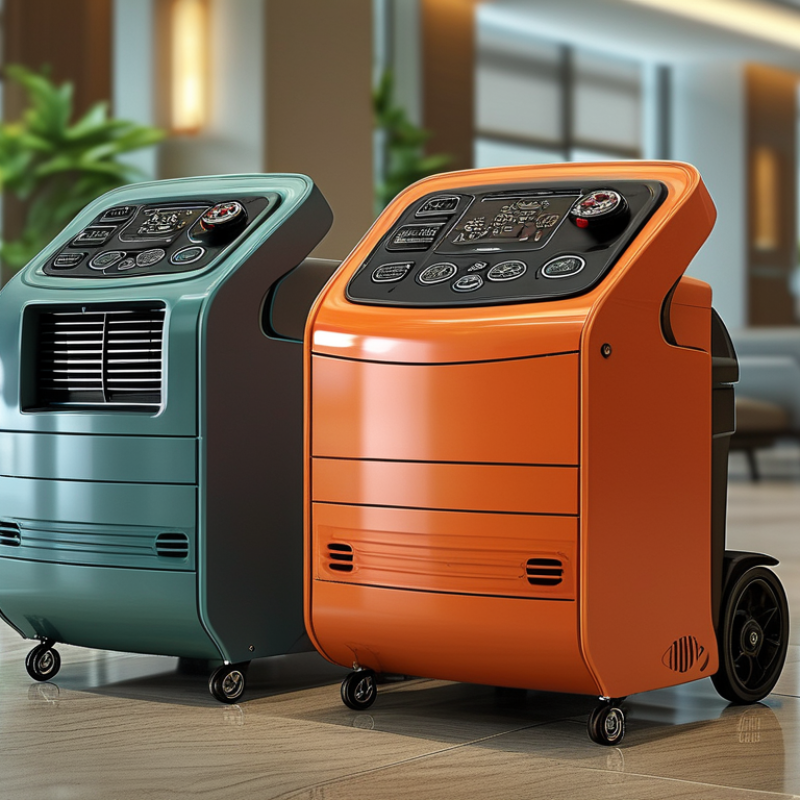
Central suction units are essential in maintaining cleanliness and reducing airborne contaminants. When choosing the best unit for your needs, understanding key features is crucial. Look for models equipped with high-efficiency particulate air (HEPA) filters. These filters trap tiny particles effectively, ensuring cleaner air. Consider the suction power too. A unit with higher suction capabilities can handle larger messes and maintain performance in various spaces.
Tips: Check the noise level of the unit. A quieter model can make a significant difference, especially in residential settings. Also, review the warranty and customer support options. Reliable brands usually provide solid warranty coverage and responsive service.
Another important feature is the capacity of the dust container. A larger capacity means less frequent emptying, saving you time. Systems with variable suction settings can also adapt to different tasks. It’s worth noting that not all units are created equal. Some may have features that sound good but may not perform as expected. Research user reviews and seek professional opinions to make informed choices.
Assessing Your Space Requirements for a Central Suction System
When assessing your space requirements for a central suction system, consider the layout of your home or office. Measure the total area and note any obstacles that could impact the installation. A well-thought-out plan makes a huge difference in performance and usability.
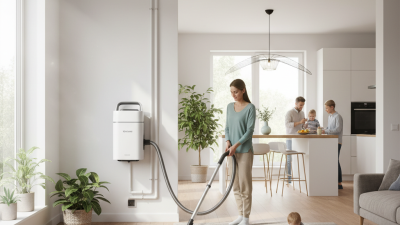
Tips: Think about where you’ll place the suction unit. It should be in a well-ventilated area that allows for easy access. This will help with maintenance and efficiency. Also, ensure that your choice of vacuum hoses can reach all corners of your space. A central suction system should adapt to your layout, not the other way around.
Furthermore, evaluate the number of rooms needing coverage. If you have multiple floors, consider a unit with a higher capacity. Space constraints may lead to compromises. Your suction system should not feel like an afterthought. It's essential to integrate it functionally into your space. Consider future modifications to your layout as well—your suction needs may change over time.
How to Choose the Best Central Suction Unit for Your Needs? - Assessing Your Space Requirements for a Central Suction System
| Feature |
Description |
Recommended Size |
Ideal for |
| Suction Power |
The power level required to efficiently handle the debris in your space. |
500-700 Air Watts |
Larger homes or multi-level buildings. |
| Noise Level |
The decibel level of operation; quieter units are often preferred. |
Below 60 dB |
Residential settings where noise is a concern. |
| Capacity |
The volume of debris the unit can hold before needing maintenance. |
3-6 Gallons |
Medium to large homes. |
| Installation Requirements |
Complexity and space needed for installation. |
Requires a dedicated space or closet |
New construction or renovations. |
| Portability |
Ease of moving the unit if necessary. |
Stationary |
Permanent installations. |
Evaluating Power and Performance: How Much Suction Do You Need?
When choosing a central suction unit, evaluating power and performance is essential. The suction strength you require depends on the size of your space. A larger home often demands a unit with higher suction power. Consider the design of your home and whether it has multiple levels. The layout can affect how effective the suction will be.
How much suction do you need? Suction power is rated in inches of lift. Generally, a range of 110 to 150 inches is suitable for most residential applications. However, larger homes might benefit from units that exceed this range. Take note of your cleaning habits as well. If you have pets or heavy foot traffic, investing in a stronger unit may pay off.
Additionally, it’s worth noting that some high-suction units can be noisier. This factor can affect your overall comfort during cleaning. It’s also good to assess maintenance requirements. More powerful units sometimes involve more upkeep. Weighing these aspects can lead you to the right choice for your needs.
Exploring Installation Options for Central Suction Units
When exploring installation options for central suction units, several key factors come into play. The location and layout of your space significantly influence the installation process. For homes with existing ductwork, retrofitting can be simpler. However, new constructions may offer flexibility for optimal design placement. According to a market analysis by the Institute of Clean Air, proper installation helps enhance suction system performance by up to 30%.
Consider your specific needs. You should evaluate the square footage, usage frequency, and the types of debris you'll be disposing of. Each of these factors will dictate whether a wall-mounted or portable unit is more suitable. If your space is large, installing multiple units may provide better coverage.
**Tip:** Before installation, create a plan. Outline where hoses and inlets will be placed to maximize efficiency. This will help you visualize the setup.
Think carefully about energy consumption too. Energy-efficient models might have a higher upfront cost but can save you money over time. Additionally, consider the noise levels during operation. Some units operate quietly, providing a less disruptive experience.
**Tip:** Always read reviews and consult with professionals before making a decision. Seek feedback regarding installation challenges others have faced.
Comparing Maintenance Needs and Longevity of Different Models
When selecting a central suction unit, it’s essential to consider maintenance needs and longevity. Different models exhibit varying degrees of complexity in upkeep. Some systems require regular filter changes, while others may have self-cleaning features. Understanding these requirements can save you both time and money in the long run.
Longevity is another crucial factor in your decision. A well-constructed unit can last for decades, but that lifespan is often diminished by poor maintenance. Consider models with durable materials and robust designs. However, it’s easy to overlook routine checks, leading to unexpected failures. Documenting maintenance schedules might help ensure nothing is missed.
Moreover, you should reflect on performance under various conditions. Some units handle heavy debris better than others. If you have pets or large areas to clean, this may influence your choice. Think about your cleaning habits. They’ll impact the unit's efficiency and lifespan. Often, it’s about finding a balance that aligns with your lifestyle and cleaning needs.