Leave Your Message
Choosing the best Electric Aspirator from China requires more than comparing prices and polished product photos. The right decision begins with the intended use, user environment, and required suction performance. A home-care unit may need quiet operation, simple controls, and easy cleaning. A clinical model may require stronger airflow, stable vacuum control, and documented quality procedures.
James Reason, a respected safety researcher, said, “We cannot change the human condition, but we can change the conditions under which humans work.” His observation fits medical equipment selection closely. A reliable Electric Aspirator should reduce avoidable mistakes through clear labels, protected switches, secure tubing, and accessible filters. Touch the housing. Check whether the collection bottle feels stable. Listen for unusual vibration after several minutes of operation.
Chinese manufacturers offer broad choices, but quality can vary between factories. Verify the manufacturer’s experience, production records, inspection process, and after-sales support. Ask for test reports, material specifications, user manuals, and traceable batch information. Do not rely on a certificate image alone. Confirm whether the documents match the exact model, voltage, and configuration.
Performance numbers also deserve careful reading. A higher vacuum rating does not automatically mean better clinical suitability. Noise, recovery time, battery life, spill protection, and replacement-part availability matter in daily use. Even experienced buyers sometimes overlook service access. That is a mistake worth admitting.
This guide explains how to compare suppliers, test samples, evaluate safety features, and identify dependable Electric Aspirator products from China. It also highlights practical warning signs before payment, shipment, and installation.
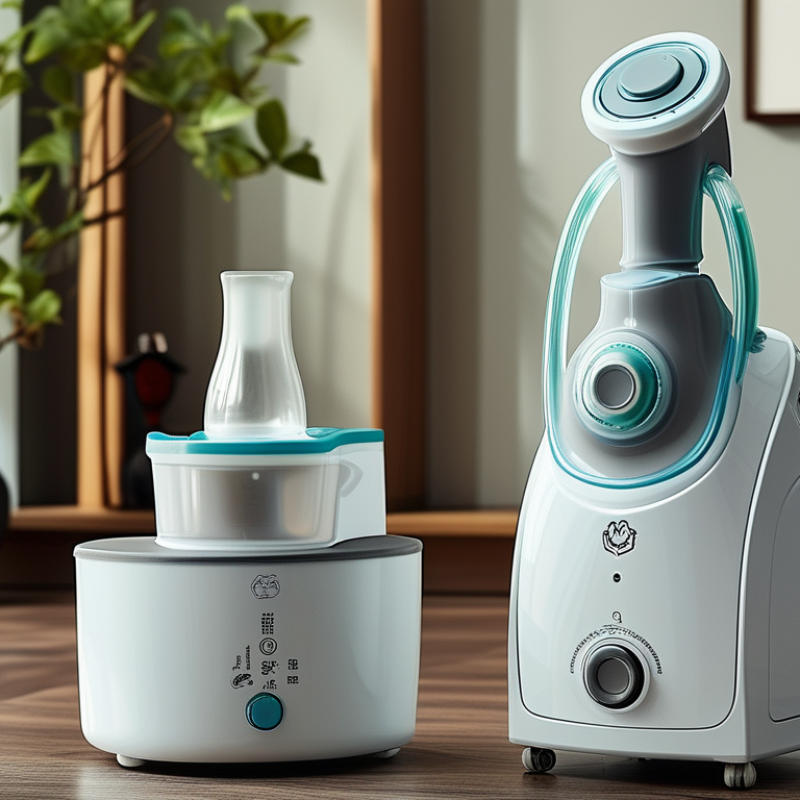
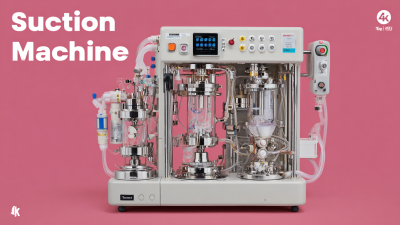
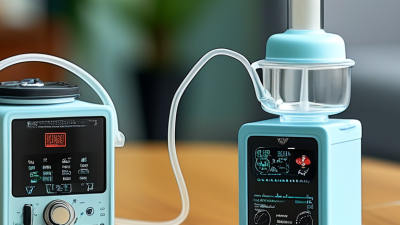
An electric aspirator is a powered suction device that removes mucus, fluids, or secretions from a patient’s airway or a treatment area. Its motor drives a pump, creating negative pressure inside a sealed collection canister. Tubing carries the material inward, while a bacterial filter helps protect the pump and surrounding air. A regulator controls suction strength, and an overflow valve should stop liquid before it reaches the motor.
The World Health Organization and UNICEF reported 2.3 million neonatal deaths worldwide in 2022. This figure does not prove that aspirators prevent deaths, but it shows why dependable airway equipment matters. In practice, users should check measured vacuum pressure, airflow, noise, canister capacity, battery duration, and cleaning procedures. A strong motor alone is not enough. Poor tubing design can reduce performance.
When sourcing from China, request test records linked to ISO 10079-1 and IEC 60601-1, plus evidence of ISO 13485 manufacturing controls. Confirm whether specifications were measured under load, not copied from a catalogue. I have found that “quiet operation” claims can be difficult to compare without a stated testing distance. Ask for sample inspection, electrical safety reports, spare-part availability, and service response times. Keep the wording simple.
The best choice is not always the highest-pressure model. A safer decision matches suction range, portability, cleaning needs, and intended clinical use. WHO guidance should take priority over marketing language.
| Selection Dimension | Typical Reference | Why It Matters | Recommended Evaluation Point | Practical Check |
|---|---|---|---|---|
| Product Type | Handheld rechargeable nasal aspirator | Portable units are suitable for routine home use and travel. | Choose a compact design with a detachable collection cup and replaceable soft tips. | Confirm that the product is designed for nasal use rather than wound or medical suction. |
| Suction Pressure | Approximately 40–70 kPa maximum vacuum, depending on design | Adjustable suction can improve comfort and help accommodate different mucus consistencies. | Prefer at least two or three selectable levels rather than one fixed setting. | Check whether the stated value is maximum vacuum, working vacuum, or airflow performance. |
| Airflow | Common compact-device range: approximately 2–6 L/min | Airflow affects how quickly material can be drawn into the collection chamber. | Compare airflow together with suction pressure; either value alone gives an incomplete picture. | Ask for test conditions, because airflow varies with the tip, tubing, and filter. |
| Noise Level | Approximately 45–65 dB(A) at the operating position | Lower noise can make the device easier to use with sleeping or sensitive children. | Look for a motor enclosure, vibration control, and an independently measured noise specification. | Verify the distance and test method used for the dB(A) measurement. |
| Power Source | Rechargeable lithium-ion battery, commonly 3.7 V | Rechargeable power reduces disposable battery use and supports portable operation. | Select a model with overcharge protection, charging status indication, and a stable charging connector. | Request the battery capacity in mAh and the applicable transport documentation. |
| Operating Time | Approximately 20–60 minutes of cumulative operation per charge | Longer runtime is useful for repeated daily use and travel. | Evaluate runtime at the highest suction setting, not only at idle or low power. | Compare charging time, battery replacement policy, and low-battery behavior. |
| Collection Cup | Approximately 5–15 mL for compact nasal aspirators | A removable cup helps contain material and simplifies cleaning. | Choose a transparent, leak-resistant cup with a clear maximum-fill mark. | Check whether the cup can be removed without touching contaminated surfaces. |
| Nasal Tips | Usually 2–3 soft silicone or flexible polymer tip sizes | Different tip geometries can improve fit and reduce unnecessary contact pressure. | Prefer rounded, burr-free tips made from skin-contact-compatible materials. | Confirm that replacement tips are available and easy to sterilize or disinfect as instructed. |
| Liquid Protection | Physical overflow barrier plus hydrophobic or washable filter | A barrier helps prevent liquid from reaching the pump and electrical components. | Choose a design with a sealed airflow path and a replaceable protective filter. | Ask whether the filter is washable, disposable, or intended for single use. |
| Cleaning Design | Tool-free disassembly of the tip, cup, and liquid-contact parts | Simple cleaning reduces residue buildup and supports hygienic repeated use. | Avoid narrow channels, permanent tubing, and parts that cannot be separated. | Review the cleaning instructions and maximum temperature for washable components. |
| Materials | Medical-grade or skin-contact-compatible silicone and BPA-free plastics | Material selection affects flexibility, odor retention, durability, and skin comfort. | Request material declarations for every part that contacts the user or collected fluid. | Check for sharp edges, strong odors, discoloration, and cracking after cleaning. |
| Dimensions and Weight | Approximately 150–220 mm long; commonly 150–350 g | A balanced and lightweight body is easier to hold during short operating sessions. | Check the assembled size, packed size, and weight with the battery and collection cup installed. | Confirm that the grip remains stable with wet hands or while wearing gloves. |
| Ingress Protection | Often limited to splash resistance; rating varies by construction | The collection parts may be washable, but the motor housing is not automatically waterproof. | Use only products with a clearly stated IP rating or explicit cleaning limitations. | Never immerse the motor housing unless the manufacturer specifically permits it. |
| Safety Features | Automatic shutoff, overload protection, soft-start function, and overflow prevention | Safety controls help reduce excessive operation, motor damage, and accidental liquid entry. | Prefer products with documented electrical, battery, and material safety testing. | Request test reports, user instructions, warning labels, and traceability information. |
| Quality Verification | Pre-shipment inspection with functional, leakage, noise, and charging tests | Consistent testing helps identify variation between production batches. | Use a written inspection checklist covering suction, airflow, battery, charging, and cleaning parts. | Request sample approval and batch inspection records before mass production. |
| Import Documentation | User manual, electrical test records, battery documents, labeling, and applicable market files | Documentation requirements depend on the destination market and the product's intended claims. | Verify classification and required conformity documents before placing an order. | Do not rely only on logos; request documents that match the exact model and configuration. |