What is a Mobile Suction Machine and How Does it Work?
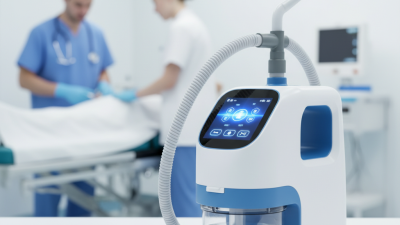
In the healthcare industry, the "Mobile Suction Machine" plays a vital role in patient care. Dr. Emily Carter, a leading expert in medical devices, states, "A mobile suction machine is essential for quick and effective patient management." This tool is designed for various medical settings, offering convenience and efficiency.
Mobile Suction Machines are used in emergency situations, surgeries, and even in home care. They provide immediate suction capabilities to clear airways, remove fluids, and enhance patient safety. Their portability allows healthcare providers to address urgent needs without delay.
Yet, challenges exist. Reliability and maintenance can be issues. Regular checks are crucial to ensure optimal performance. As Dr. Carter emphasizes, "Understanding how to use these machines effectively can greatly impact patient outcomes." With the right knowledge and care, a Mobile Suction Machine can truly make a difference in critical scenarios.
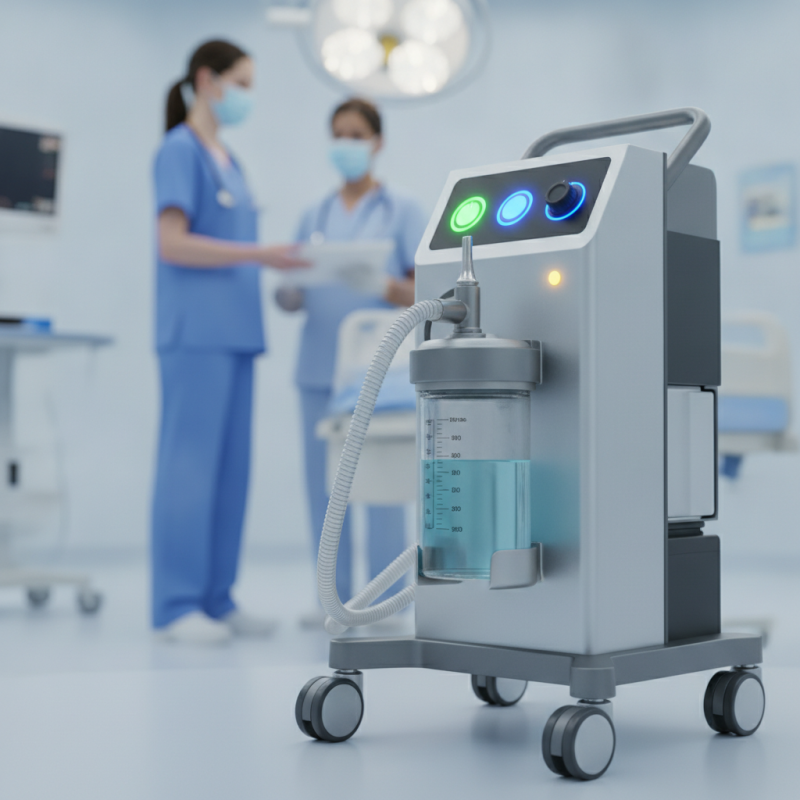
Understanding the Basics of Mobile Suction Machines
Mobile suction machines play a vital role in various medical settings. They are designed to remove fluids, secretions, and debris from patients' airways. This equipment is especially useful during surgeries, emergency situations, and in critical care units. By keeping airways clear, these machines help maintain breathing and prevent complications.
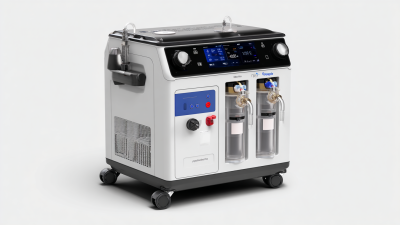
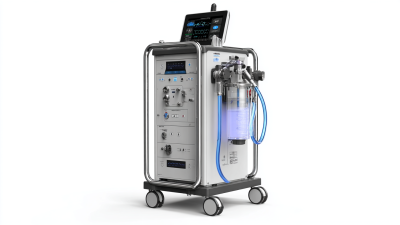
Understanding the basics of mobile suction machines involves knowing their core components and functions. Typically, they consist of a suction pump, collection canister, and connecting tubing. The suction pump creates negative pressure, while the canister collects fluids. Portable and lightweight, these machines can be easily moved to different locations within a facility.
While mobile suction machines are invaluable, their operation requires training and awareness. Improper use can lead to patient discomfort or even harm. Regular maintenance is essential to ensure effectiveness and reliability. It's crucial for healthcare professionals to stay updated on best practices. This ongoing education fosters a safer environment for both staff and patients.
Components of a Mobile Suction Machine and Their Functions
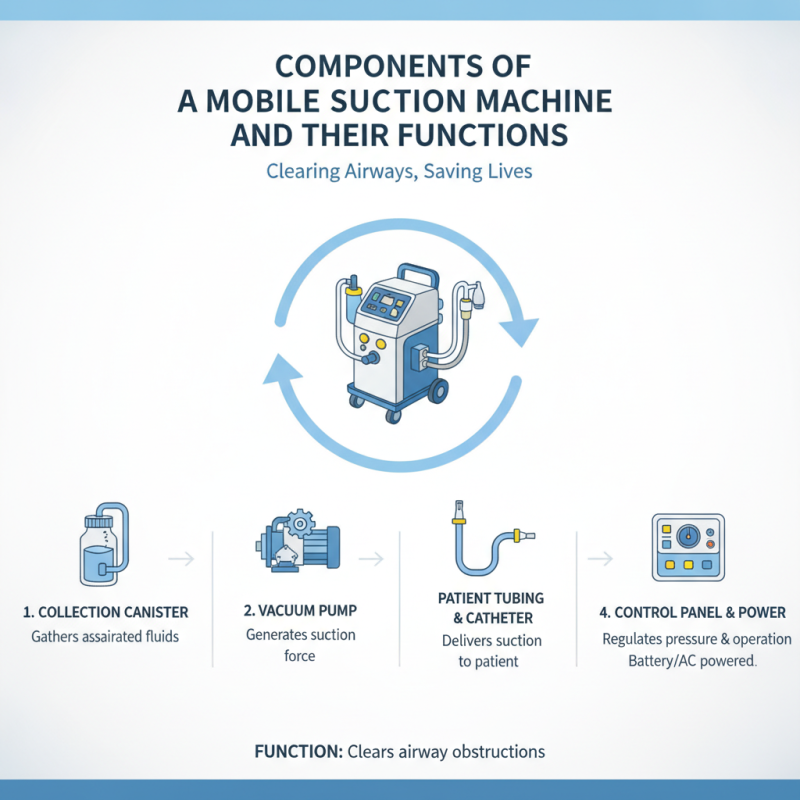
A mobile suction machine is a vital tool in medical settings. It performs suctioning to clear obstructions in airways. This device consists of several key components, each playing an essential role in its operation.
The power source is crucial. A reliable battery or wall outlet ensures mobility and functionality. Next, the suction unit creates negative pressure, vital for removing fluids or debris. The collection canister collects the aspirated material. Regular checks on this container prevent overflow and cross-contamination.
Tips: Always inspect your machine before use. Check for clogs or leaks. Make it a habit to test the pressure settings. This ensures effective suctioning.
Next, the tubing connects the machine to the suction tip or catheter. Quality tubing ensures optimal airflow. Finally, the suction tip is designed for various procedures. Using the correct tip is essential for efficiency and patient safety.
Tips: Familiarize yourself with different tips. Each has its application. Practice proper technique to avoid injuries. This experience will make you more confident in emergencies.
How Mobile Suction Machines Operate: Step-by-Step Process
Mobile suction machines are vital medical devices used in various healthcare settings. They effectively remove fluids and debris from patients, ensuring safety during procedures. Understanding their operation can demystify their importance in emergencies.
These machines function through a straightforward process. First, a flexible tube, often called a suction catheter, is connected to the machine. This catheter is inserted into the area requiring suction. When activated, a motor generates a powerful vacuum. This vacuum pulls fluids or debris through the catheter into a collection container. The collected materials are then safely disposed of.
Maintenance of mobile suction machines is crucial for their efficient operation. Regular checks on the tubing and collection containers can prevent blockages and ensure cleanliness. Users must also be mindful of the device's power source, as a drained battery can lead to failures in critical moments. These details highlight the importance of vigilance in healthcare settings.
Applications of Mobile Suction Machines in Medical Settings
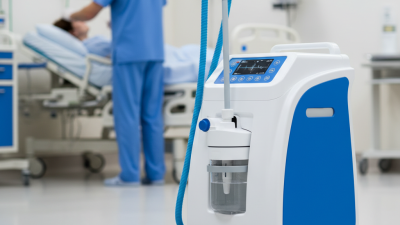
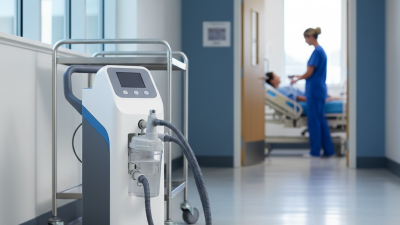
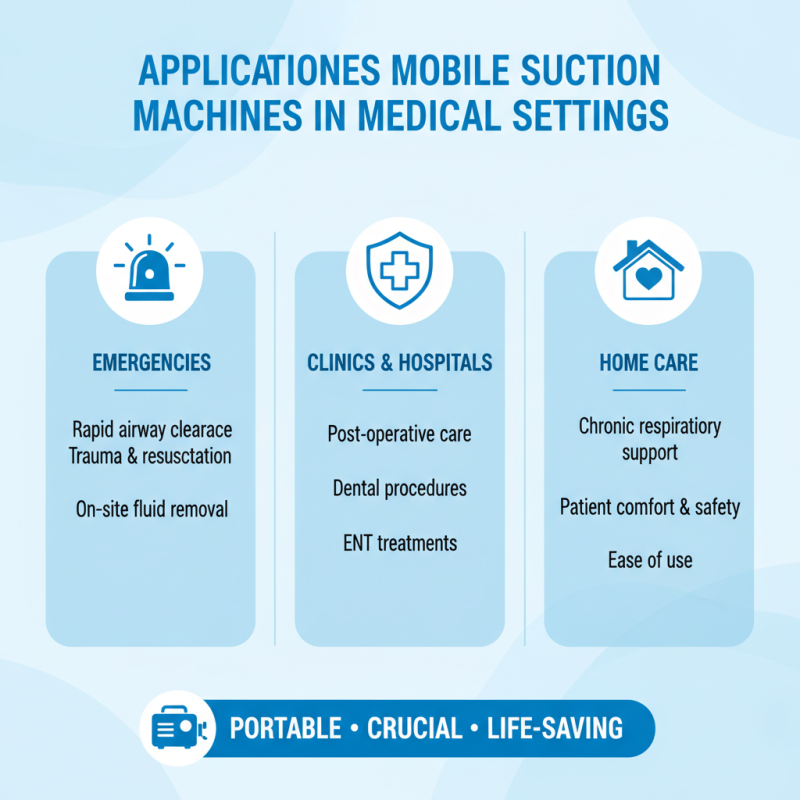
Mobile suction machines play a vital role in medical settings. These portable devices help remove fluids, secretions, or obstructions from patient airways or surgical sites. Their design is compact, making them useful in emergencies, clinics, and even in-home care. Quick access to a mobile suction machine can be crucial for patient safety.
In hospital environments, these machines assist during procedures like intubation or tracheostomy. They clear the airway promptly, reducing the risk of aspiration. In outpatient settings, they are essential for patients with chronic respiratory conditions. Healthcare providers rely on them to maintain patient comfort and safety. The versatility of mobile suction machines extends beyond emergencies; they are also used in rehabilitation and palliative care.
However, there are challenges. Training staff to use these machines effectively is crucial. Misuse can lead to complications, such as trauma to the airway. Regular maintenance is also necessary to ensure reliability. Despite these drawbacks, the benefits of mobile suction machines remain significant. They enhance patient care and response times in critical situations, demonstrating their importance in modern medical practice.
Safety and Maintenance Considerations for Mobile Suction Machines
Mobile suction machines play a crucial role in healthcare. They help clear airways, ensuring patients can breathe easily. However, safety and maintenance are vital to keep these devices functioning optimally. Regular checks are necessary to avoid contamination and equipment failure. According to the Centers for Disease Control and Prevention (CDC), improper maintenance can lead to infections and other complications.
Tips for proper maintenance include ensuring suction tubing is clear and free of obstructions. Change filters regularly to prevent clogging. Follow manufacturer guidelines for cleaning and disinfection, as improper methods can render the device ineffective. It's important to inspect the power supply and cord for any signs of wear. Any frayed cords should be replaced immediately to avoid potential safety hazards.
Training staff on the proper use of mobile suction machines is essential. Studies show that well-trained personnel are less likely to encounter issues during emergency situations. Regular drills can enhance competency. Remember, while suction machines are reliable, their effectiveness hinges on diligent maintenance and user education. Always keep a log of inspections and maintenance work. This can provide insights into the device's performance over time and guide future improvements.
What is a Mobile Suction Machine and How Does it Work? - Safety and Maintenance Considerations for Mobile Suction Machines
| Dimension |
Description |
Safety Consideration |
Maintenance Frequency |
| Suction Power |
Measured in mmHg; indicates the machine's ability to remove fluids. |
Ensure suction pressure is adequate to avoid fluid backup. |
Daily checks are recommended. |
| Reservoir Capacity |
The volume of fluid the machine can hold, typically measured in liters. |
Regularly monitor levels to prevent overflow. |
Check before each use, empty as needed. |
| Portability |
Weight and design that allow easy transport and maneuverability. |
Secure the machine during transport to prevent tipping. |
Inspect wheels and handles monthly. |
| Power Source |
Electric, battery-operated, or manual options. |
Always check battery levels or power connection before use. |
Inspect electrical connections weekly. |
| Filters |
Devices that trap contaminants to ensure clean operation. |
Replace filters as they become saturated to maintain efficacy. |
Check and replace filters every month. |