Leave Your Message

2026 Best Suction Unit Types for Global Buyers

Choosing the right Suction Unit in 2026 requires more than comparing prices and motor power. Global buyers must match equipment performance with clinical needs, operating environments, and service capacity. A compact dental unit may suit a private clinic, while a high-flow mobile system may better support emergency care or hospital transport. The visible specifications tell only part of the story.

This guide examines common Suction Unit types, including portable, electric, manual, battery-powered, and central suction systems. It considers vacuum strength, airflow, noise, filter design, collection capacity, and cleaning requirements. Small details matter. A two-litre canister can fill quickly during busy procedures. A loud pump may disturb patients and staff. A weak battery can create serious delays.

Buyer experience also shows that maintenance is often underestimated. Replacement filters, tubing, seals, and trained technicians affect long-term value. Local power conditions and voltage differences require careful checking. Certifications and documentation should be verified for the intended market. Requirements vary between regions.

No single model fits every facility. That assumption fails often. A low-cost unit may appear attractive, yet unavailable spare parts can increase downtime. Conversely, an advanced system may exceed the needs of a small practice. Reliable purchasing depends on evidence, supplier transparency, and realistic workflow planning. The sections ahead compare each type through practical use cases, technical considerations, and procurement risks. They also highlight limitations, because even well-designed equipment can perform poorly when cleaning routines, storage conditions, or staff training are overlooked.
2026 Best Suction Unit Types for Global Buyers

What Is a Suction Unit and How Does It Work?

What Is a Suction Unit and How Does It Work?

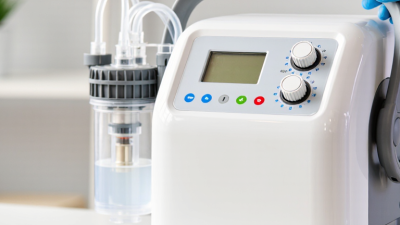
A suction unit removes mucus, blood, vomit, or other fluids from an airway or surgical field. Its pump creates negative pressure inside a sealed collection system. A catheter then transfers fluid through tubing into a canister. A filter helps protect the pump from contamination and overflow.

The operator sets pressure with a regulator and checks the gauge before use. A foot switch, hand control, or automatic sensor may start the pump. Portable models often use rechargeable batteries, while hospital systems connect to wall vacuum outlets. The practical difference is clear: electric units provide steady suction, but manual units remain useful during power interruptions. The World Health Organization and UNICEF reported in 2023 that about one in ten healthcare facilities lacked reliable electricity. That figure makes backup planning important.

ISO 10079-1 emphasizes safety controls, collection capacity, and protection against fluid entering the pump. Buyers should match these features with actual clinical tasks, not only advertised airflow. In emergency rooms, a 1-liter canister may fill quickly. In transport, weight and battery duration matter more. One detail is easy to miss. Excessive pressure can injure delicate tissue, especially in pediatric care. The FDA also stresses that medical devices require appropriate operation, cleaning, and maintenance. A suction unit is not simply a stronger vacuum. Its value depends on controlled pressure, visible alarms, dependable filters, and trained users. Some procurement plans still overvalue maximum performance. That deserves reconsideration.

2026 Best Suction Unit Types for Global Buyers - What Is a Suction Unit and How Does It Work?

A suction unit is a medical device that creates negative pressure to remove blood, mucus, saliva, vomit, irrigation fluid, or other unwanted substances from the airway, surgical field, or body cavity. The pump generates a vacuum, tubing transfers the material, and a collection container stores it for safe disposal.

Comparison of Common Medical Suction Unit Types
Suction Unit Type How It Works Typical Maximum Vacuum Typical Airflow Power Source Collection System Best-Fit Applications Key Buying Considerations
Portable Electric Suction Unit An electric diaphragm or piston pump creates negative pressure and draws fluids through patient tubing into a sealed canister. Approximately 500–600 mmHg Approximately 15–30 L/min AC mains; many models also support rechargeable batteries Reusable or disposable canister, commonly 0.5–2 L Clinics, ambulances, emergency response, home care, and bedside use Battery runtime, weight, noise level, canister capacity, filters, and local electrical standards
Transport or Emergency Suction Unit A compact motor-driven pump provides suction during patient transport or in locations without immediate access to a wall outlet. Approximately 300–550 mmHg Approximately 20–30 L/min Rechargeable battery, vehicle power, and/or AC mains Small disposable canister, often about 0.3–1 L Ambulances, first-aid teams, evacuation, field hospitals, and transfers Impact resistance, charging options, operating time, rapid setup, and secure mounting
Stationary Medical Suction Unit A continuous-duty electric pump supplies adjustable negative pressure for repeated or extended suction procedures. Approximately 600–760 mmHg Approximately 25–40 L/min AC mains Single or dual canisters, commonly 1–4 L each Hospital wards, treatment rooms, intensive care, and general clinical procedures Continuous-duty rating, vacuum regulation, overflow protection, serviceability, and noise
Surgical Suction Unit A high-performance pump removes blood, tissue fragments, irrigation fluid, and smoke-related fluids from the operative field. Approximately 600–760 mmHg Approximately 30–60 L/min AC mains Large canisters or tandem canisters, commonly 2–4 L each Operating rooms, trauma surgery, obstetrics, orthopedics, and dental surgery High airflow, rapid recovery after blockage, footswitch compatibility, filters, and infection control
Dental Suction System A wet or dry pump removes saliva, water, blood, and debris from the oral cavity during treatment. Approximately 150–500 mmHg Approximately 250–500 L/min at the system level AC mains Separator, drain system, or small collection container depending on design Dental chairs, oral surgery, endodontics, and orthodontic procedures Wet/dry configuration, drainage, amalgam separation, microbial control, and chair integration
Wall-Mounted or Central-Vacuum Suction A hospital central vacuum plant or wall outlet supplies negative pressure through a regulator and collection canister. Approximately 300–600 mmHg at the regulator Determined by the central system and outlet configuration Building vacuum infrastructure; usually no local pump Disposable or reusable canister, commonly 1–3 L Hospitals, operating rooms, intensive care, emergency departments, and procedure rooms Outlet standards, regulator accuracy, pipeline capacity, backup supply, and installation cost
Manual or Foot-Operated Suction Unit A hand lever, foot pump, or manual piston creates intermittent negative pressure without electricity. Approximately 300–500 mmHg, depending on operator input Variable and intermittent Manual operation Integrated or external canister, commonly 0.5–1.5 L Remote areas, disaster response, low-resource settings, and power-outage backup Operator effort, cleaning, durability, replacement parts, and availability of trained users
Low-Pressure Airway Suction Unit A regulated pump provides lower, controlled suction intended for delicate airway or neonatal applications. Approximately 80–300 mmHg Approximately 5–20 L/min AC mains, with battery options on selected portable models Small disposable canister or liner, commonly 0.25–1 L Neonatal care, pediatric airway management, recovery areas, and controlled secretion removal Fine pressure adjustment, stable low vacuum, soft tubing, alarms, and clinician-defined protocols
Technical note: Vacuum and airflow figures are representative industry ranges rather than universal specifications. Actual performance depends on tubing diameter, filter condition, canister fill level, altitude, pump design, and the applicable medical-device standard. Always verify the technical specification, regulatory documentation, electrical configuration, and intended clinical use before purchasing.

Main Types of Suction Units for Medical and Industrial Use

Medical and industrial suction units serve different operating environments, even when their basic purpose looks similar. Medical units include manual, portable electric, and central suction systems. Manual units support emergency care when electricity is unreliable. Portable electric models suit ambulances, clinics, and bedside procedures. Central systems serve hospitals with fixed pipelines and higher daily demand.

A 2024 Grand View Research assessment estimated the global medical suction devices market at more than USD 1.5 billion, with continued growth through 2030. That growth reflects demand for compact equipment and dependable battery operation. However, market value alone cannot guide purchasing decisions. Buyers should check vacuum pressure, airflow, noise level, battery endurance, filter design, and cleaning access. Small details matter.

Industrial suction equipment uses broader technologies. Diaphragm pumps handle clean, oil-free applications. Rotary vane pumps provide stronger vacuum performance for laboratories and production lines. Liquid-ring pumps tolerate moisture better, while side-channel units support continuous, lower-pressure airflow. A 2024 industrial vacuum pump market report from Fortune Business Insights projected steady expansion, driven by manufacturing, packaging, and process automation. Actual performance still depends on dust load, temperature, duty cycle, and maintenance quality. In practice, specifications can look impressive on paper. They may disappoint on a wet factory floor. Buyers should request tested performance data, not only catalog ratings, and should treat service access as part of the equipment cost.

Key Features and Specifications Buyers Should Compare

When comparing suction units, global buyers should start with the intended workload. Portable units suit emergency transport and home care, while high-flow systems support operating rooms and busy clinics. A mobile unit can be convenient, but smaller collection containers may require frequent emptying.

Check vacuum pressure and airflow separately. Strong vacuum does not always mean faster performance. A practical comparison includes maximum negative pressure, airflow rate, recovery time, and performance under a full container. Ask for test conditions, because figures can change with tubing length and filter resistance. Noise also matters near patients. Units below a moderate clinic noise level usually improve communication and reduce stress.

Collection capacity should match expected use, not just cabinet size. Look for spill protection, bacterial filtration, overflow shutoff, and easy-to-read level markings. Reusable containers reduce waste, but they demand careful cleaning procedures. Disposable liners simplify handling, although ongoing costs may be higher. Battery runtime, charging time, voltage compatibility, and plug options deserve close attention for international purchasing.

Request electrical safety documents, material specifications, and maintenance intervals before ordering. Verify whether replacement filters and seals are available locally. A low purchase price can become expensive when service is slow. Some buyers focus heavily on suction strength and overlook transport weight, wheel stability, or awkward controls. That mistake is easy to make. Compare the complete operating setup, including accessories, training, warranty terms, and realistic delivery conditions.

How to Choose the Right Suction Unit for Global Applications

Choosing the right suction unit for global applications starts with the working environment. A portable unit suits mobile clinics, emergency rooms, and temporary treatment areas. A wall-mounted model saves floor space in compact rooms. Central suction systems fit larger facilities with several treatment stations. However, installation costs and maintenance access can change the decision.

In field assessments, I check the expected suction pressure, airflow, fluid volume, and daily operating hours. A unit for routine oral procedures may need different performance from one handling heavier fluids. Higher vacuum is not automatically better. Excessive suction can create control problems and discomfort. For wet applications, use a suitable fluid trap and hydrophobic filter. Noise also matters. A loud motor can make communication difficult during treatment. Power compatibility deserves equal attention, especially where voltage and plug standards vary.

Reliable purchasing requires more than reading a product sheet. Ask for testing data, electrical specifications, cleaning instructions, and replacement-filter availability. Confirm whether local technicians can provide service. I once underestimated the importance of drainage design, and the installation became slower than planned. That mistake changed my evaluation checklist. Real rooms reveal flaws. Whenever possible, test the unit with realistic tubing lengths and collection containers. A model that performs well in a showroom may struggle in a crowded clinic, dusty workspace, or region with unstable power. Clear records and practical training support safer, more consistent use.

2026 Best Suction Unit Types for Global Buyers

How to choose the right suction unit for global applications: compare mobility, power source, and typical maximum vacuum capacity before matching the unit to the clinical environment.

The values show representative maximum vacuum levels commonly specified for medical suction equipment, expressed in kilopascals (kPa). Manual units are suitable for emergency or low-resource settings, portable electric and battery-powered units support mobile care, while central wall-mounted and high-flow surgical systems are better suited to hospitals and operating rooms. Actual specifications vary by configuration and local regulatory requirements.

Safety, Maintenance, and International Compliance Requirements

For global buyers, the best suction unit in 2026 is not automatically the strongest. It must match the clinical setting, power supply, and waste-handling capacity. Portable electric units suit ambulances and small clinics. Wall-mounted units support predictable hospital workflows. Central vacuum systems offer scale, but they require qualified installation and regular pipeline testing. Battery backup matters during outages. The WHO/UNICEF JMP 2023 report found that 9% of healthcare facilities lacked basic water services in 2022. Therefore, sealed collection containers, overflow protection, and easy-to-clean surfaces are essential safety features.

Safety starts with documented risk control. ISO 14971 covers hazards such as blockage, backflow, excessive noise, and electrical failure. IEC 60601-1 addresses basic safety and essential performance. IEC 60601-1-2 addresses electromagnetic compatibility. Buyers should request test reports, declarations of conformity, usability evidence, and traceable serial records. Under the EU MDR, classification and clinical evidence depend on intended use. Other markets may require separate registration. One certificate is not universal.

Maintenance determines real performance. WHO’s Global Report on Infection Prevention and Control 2024 states that effective programs can reduce healthcare-associated infections by up to 70%. Operators should inspect tubing daily, replace damaged filters, empty canisters safely, and test alarms. Battery capacity also needs scheduled checks. A perfect checklist is unlikely. Some buyers still overvalue peak vacuum and underestimate cleaning time. That choice can create avoidable risk.