Leave Your Message

How to Choose a Secretion Suction Machine?

Choosing a Secretion Suction Machine is a clinical decision, not simply a purchase based on motor power or price. The right model must match the patient, care setting, secretion volume, and operator’s experience. A quiet machine beside a child’s bed may need different controls from a robust unit used in an ambulance or hospital ward.

The World Health Organization’s Global Report on Assistive Technology (2022) estimates that more than 2.5 billion people need at least one assistive product. This number may exceed 3.5 billion by 2050. Although suction equipment is a medical device rather than a universal assistive product, the figures show why safe, usable equipment matters. WHO technical guidance and ISO 10079-1 emphasize essential factors, including vacuum performance, collection capacity, hygiene, and safe operation. These points provide a stronger foundation than marketing claims.

Look beyond maximum suction pressure. Check adjustable vacuum control, overflow protection, bacterial filtration, battery endurance, noise level, tubing compatibility, and cleaning requirements. A 1-liter container may be practical for home care, while emergency teams may prefer a compact unit with rapid charging. Details matter.

Still, no checklist can replace professional assessment. Patient age, airway condition, secretion thickness, and caregiver training can change the decision. I would not assume that the most powerful machine is the safest choice. Sometimes, that assumption is the problem. This guide compares technical specifications, clinical practicality, maintenance demands, and supplier reliability, helping readers choose a Secretion Suction Machine with clearer evidence and fewer costly surprises.
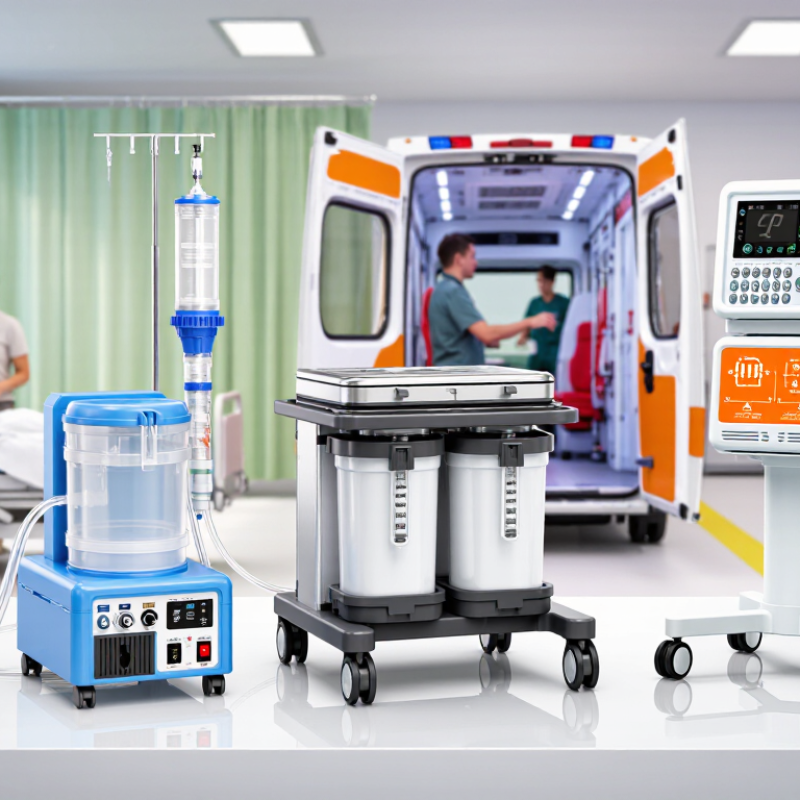
How to Choose a Secretion Suction Machine?

Understanding What a Secretion Suction Machine Does

A secretion suction machine removes mucus, saliva, or vomit when a person cannot clear the airway independently. It uses controlled negative pressure through a catheter or oral tip. The machine supports breathing, but it does not replace coughing, swallowing, or medical treatment. Watch for gurgling sounds, visible secretions, weak coughing, or falling oxygen levels. These signs may indicate a need for assessment.

The 2022 AARC Clinical Practice Guidelines recommend suctioning only when clinically indicated, rather than following a fixed schedule. They also advise limiting each suction pass to 15 seconds for patients with artificial airways. These findings matter when choosing a machine. Adjustable pressure is essential because excessive suction may injure delicate tissue. A clear collection container helps caregivers judge secretion volume and color. Easy cleaning matters too.

Keep it practical.

The machine should match the care setting, airway type, expected secretion load, and user’s strength. Home users may need quiet operation, battery backup, simple controls, and washable components. The WHO and UNICEF Global Report on Assistive Technology estimates that more than 2.5 billion people need assistive products, with demand exceeding 3.5 billion by 2050. That broader need highlights an overlooked issue: complicated equipment may remain unused. A stronger pump is not automatically safer. Clinical guidance, caregiver training, and regular review should influence the final choice. Some decisions still require reconsideration after real-world use.
Assessing Patient Needs and Suction Requirements

Choosing a secretion suction machine starts with the patient, not the motor. Assess whether secretions are oral, nasal, or tracheal. Note their thickness, volume, color, and frequency. A patient with thin saliva may need intermittent oral suctioning. A patient with a tracheostomy may require stronger, more controlled airway support. Record oxygen saturation, breathing effort, cough strength, and recent suction episodes. These details reveal the real workload.

The 2022 American Association for Respiratory Care guideline recommends limiting each suction pass to 15 seconds. It also advises selecting a catheter that occupies less than 50% of an adult artificial airway, or less than 70% for children. Pressure matters. The guideline lists maximum negative pressure of about 200 mmHg for adults and 120 mmHg for children. Actual settings should follow clinical instructions, not guesswork. AARC also emphasizes assessment before and after suctioning. A simple checklist helps, but it is not flawless. Anxiety, fatigue, and changing secretions can alter the need within hours.

Tips: Choose an adjustable-pressure unit with a visible gauge, secure tubing, an easy-to-clean collection container, and battery support for transport. Check noise levels near sleeping patients. Confirm that filters, catheters, and containers are readily available. The machine should be usable by trained caregivers with limited hand strength. WHO’s Global Report on Assistive Technology estimates that more than 2.5 billion people need assistive products worldwide, showing why practical home-use design matters. Yet equipment alone cannot replace respiratory assessment.

How to Choose a Secretion Suction Machine?

Typical airway suction pressure ranges vary by patient age and clinical condition. A suitable suction machine should provide adjustable vacuum control, accurate pressure monitoring, and adequate collection capacity. Always follow the patient’s care plan and local clinical protocols.

Comparing Machine Types, Power Sources, and Portability

Choosing a secretion suction machine starts with the care setting, not the advertised motor strength. Electric units suit clinics and home rooms with stable outlets. Manual or battery-powered models provide a fallback during transport or outages. The International Energy Agency reported that about 745 million people lacked electricity in 2023. That figure makes backup power a practical safety question, not a luxury.

High-vacuum machines can clear thick secretions faster, but excessive suction may irritate tissue. AARC clinical practice guidance stresses controlled pressure, correct catheter use, and patient assessment. Compare regulated vacuum, airflow, collection capacity, and alarm visibility. A 700–1,000 mL container may fit short home sessions, while larger containers reduce interruptions in clinical care. Bigger is not always better.

Portability changes daily usability. Check the machine’s weight, handle design, battery runtime, charging time, and operation during vehicle movement. The WHO and UNICEF Global Report on Assistive Technology estimates that more than 2.5 billion people need assistive products worldwide. Access conditions vary sharply, so one configuration cannot serve every user. I would test the unit beside a bed, then carry it up stairs. A specification sheet cannot reveal that awkward moment. Also confirm cleaning steps, replacement filters, and local servicing before purchase. A quiet machine may improve comfort, but noise level alone should never replace suction control and reliable maintenance.

How to Choose a Secretion Suction Machine? - Comparing Machine Types, Power Sources, and Portability
Machine Type Typical Power Source Typical Vacuum Range Typical Airflow Range Portability Best Suited For Key Consideration
Manual Hand-Operated Suction Hand-powered; no electricity or battery required Not usually specified as a fixed value Depends on the operator and device design Excellent; lightweight and highly portable Emergency response, transport, and locations without reliable power Requires physical effort and may provide less consistent suction
Portable Battery-Operated Suction Rechargeable battery, often with AC charging capability Approximately 300–550 mmHg Approximately 15–40 L/min Excellent; designed for home care, vehicles, and patient transport Mobile care, home use, ambulances, and short-term transport Check battery runtime, charging time, and availability of a backup power option
Compact Electric Suction Machine AC mains power; some models also support battery operation Approximately 400–600 mmHg Approximately 20–40 L/min Good; portable but generally heavier than battery-first units Home care, clinics, bedside use, and routine secretion management Confirm voltage compatibility, noise level, and the size of the collection container
High-Vacuum Electric Suction AC mains power; battery backup may be available Approximately 500–700 mmHg Approximately 30–60 L/min Limited to moderate; usually intended for fixed or semi-mobile use Hospitals, treatment rooms, and situations requiring higher suction capacity Higher performance can mean greater weight, noise, and power consumption
Central-Wall Suction System Hospital central vacuum system Set by the central system and regulator Depends on the wall outlet, regulator, and tubing configuration Not portable; fixed installation Hospital wards, operating rooms, and intensive-care environments Requires compatible wall infrastructure and does not operate independently during outages
Vehicle-Mounted or Transport Suction Vehicle electrical system, internal battery, or both Approximately 300–600 mmHg Approximately 20–50 L/min Very good for vehicle-based care; less convenient for extended walking transport Ambulances, patient transfer, and field medical services Verify vehicle voltage, secure mounting, battery endurance, and vibration resistance
Foot- or Manual-Powered Portable Unit Foot pedal or manual pumping mechanism Varies by design and operator effort Varies by design and operator effort Excellent; independent of mains electricity Disaster response, remote locations, and backup use Useful where electricity is unavailable, but continuous suction may require repeated pumping
Selection note: Performance values are common approximate ranges for general medical suction equipment and vary by configuration, tubing, filter condition, collection system, and applicable regulatory requirements. Always confirm the manufacturer's specifications and follow qualified clinical guidance for patient care.

Checking Safety Features, Capacity, and Ease of Cleaning

How to Choose a Secretion Suction Machine?

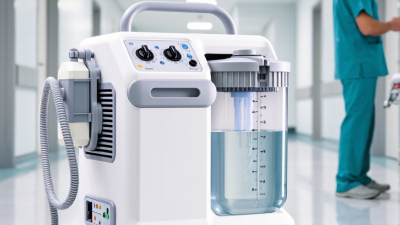
When choosing a secretion suction machine, inspect its safety features before comparing prices. Look for an overflow shutoff, a clear vacuum gauge, and a secure collection jar. These features help prevent fluid from reaching the pump. An alarm can alert users to blocked tubing or low battery power. Check whether the controls remain readable in dim rooms. During routine equipment checks, I also test the emergency stop and power backup. Small faults become serious when nobody notices them.

Capacity should match the expected workload, not simply be as large as possible. A bigger container adds weight and may delay cleaning. Confirm the machine’s suction range with a qualified healthcare professional. Tubing should fit tightly without kinks.

Cleaning is equally important. Choose a jar with wide openings, smooth corners, and few hidden seams. Removable parts should be easy to rinse, disinfect, and dry completely. Follow the manufacturer’s instructions and local clinical procedures. Never assume every component can be reused.

Tips: Keep spare tubing and filters nearby. Label clean and used parts separately. After cleaning, check for cracks, cloudy plastic, or weak seals. I sometimes focus too much on suction power and overlook handling comfort. That is a mistake. A machine that is difficult to carry or assemble may be poorly used when time matters. Ask a nurse or respiratory therapist to review the setup before regular use.

Selecting a Reliable Model and Planning Ongoing Maintenance

How to Choose a Secretion Suction Machine?

Selecting a suitable secretion suction machine requires more than checking suction strength. Match the device to the user’s condition, care setting, and expected frequency of use. A home model may need quiet operation, simple controls, and a dependable battery. A clinical model may require stronger capacity, alarms, and continuous monitoring. Ask a qualified healthcare professional to confirm the required pressure range and accessories.

Maintenance planning should begin before purchase. Check whether collection containers, tubing, filters, and seals are easy to replace. Keep spare parts available. After each use, empty the container safely and clean reusable components according to the instructions. Replace damaged tubing immediately. Filters need scheduled inspection because moisture and secretions can reduce airflow. Do not rely on appearance alone. Performance can decline quietly.

Test the machine regularly. Check suction, battery duration, alarm functions, and unusual noise. Record every inspection, cleaning task, and replacement. This creates traceable evidence for caregivers and service technicians. Staff should practice setup and emergency procedures, not just read them. A practical checklist helps, but it is never perfect. Review it after real use. A missed step may reveal a design problem, unclear training, or an unsuitable location. Follow the manufacturer’s instructions and local healthcare requirements, and arrange professional servicing when performance becomes inconsistent.