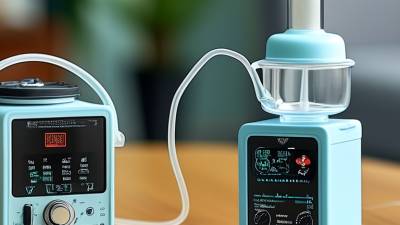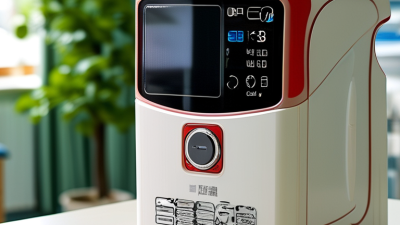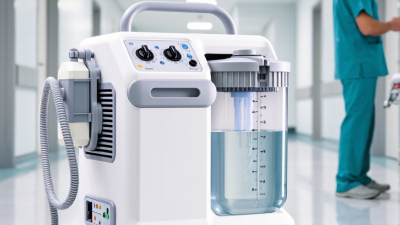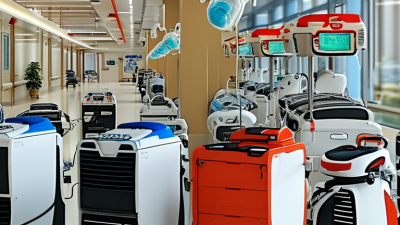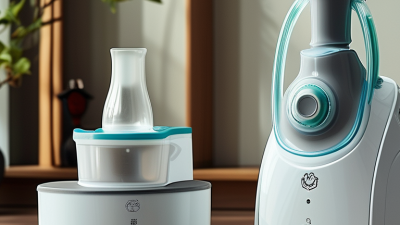
What makes the best Cami Suction Machine in 2026 depends on where and how it will be used. A home-care setup has different needs from a clinic, and a compact case does not guarantee practical performance. Compare the machine’s stated suction pressure and airflow with the requirements provided by a qualified healthcare professional. Check canister capacity, tubing compatibility, filter replacement needs, and how easily parts can be cleaned. Small details matter.
Noise can be important during overnight use, while weight and handle design matter when a unit must be moved between rooms. Look for clear pressure controls, visible indicators, and alarms that are easy to understand. Battery runtime deserves close attention, too; published figures may differ from real use, especially as batteries age. Not every feature does.
This guide will explain how to compare available Cami Suction Machine options without treating one specification as a universal winner. Product names, configurations, and availability can change, so confirm current details in the manufacturer’s documentation. We will also consider routine maintenance, support, and the total cost of ownership—not just the price on a product page. One limitation is worth admitting: without testing each configuration under the same conditions, a ranking can only be a careful comparison, not a guarantee. Match the final choice to the patient’s prescribed needs and seek clinical guidance when requirements are unclear.
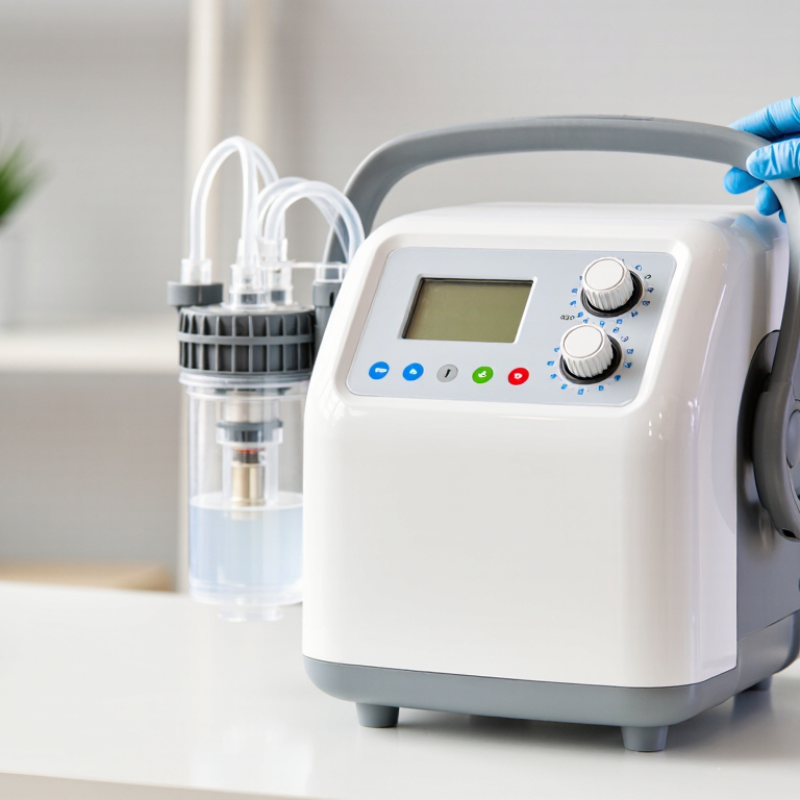
A CAMI suction machine is best defined by the job it must perform, not by a single headline specification. Bedside airway clearance, procedure-room suction, and portable home use place different demands on flow, vacuum control, noise, and mobility. For example, a compact unit may fit beside a bed, while a clinical setup may need a larger collection capacity and frequent monitoring. Match the device to the care setting and trained user.
Pump type affects handling and upkeep. Electrically powered diaphragm pumps are common in portable units; piston designs may suit other duty cycles. Neither type is automatically better. Check the required vacuum range, airflow, battery runtime, cleaning instructions, and alarm features against the intended use. ISO 10079-1:2015 sets safety requirements for electrically powered medical suction equipment. That matters. A neat specification sheet can still mislead if it omits operating conditions.
Canister size should reflect expected volume and how often staff can safely empty it. A small canister saves space but may interrupt care sooner; a larger one adds bulk. Grand View Research estimated the global medical suction devices market at about USD 1.8 billion in 2023, with projected growth through 2030. That is market context, not proof of clinical performance. I would compare verified specifications and cleaning procedures before treating capacity or pump style as a buying shortcut.
There is no single best suction machine for every setting. The appropriate choice depends on the intended clinical use, required vacuum and flow, portability, and collection capacity. The ranges below are general examples; always follow the device instructions, clinical protocols, and applicable regulations.
| Clinical use | Common pump type | Typical canister capacity | Useful selection considerations | Important limitations |
|---|---|---|---|---|
| Airway suction in hospitals or clinics | Oil-free diaphragm or piston pump; some facilities use central wall suction | Approximately 1–2 L for many portable units; wall systems use a compatible collection jar | Check adjustable vacuum control, airflow performance, overflow protection, bacterial filtration, and compatibility with the prescribed catheter and tubing. | Use only at clinically prescribed settings. A collection canister does not determine the safe suction pressure. |
| Home respiratory or tracheostomy care | Compact oil-free diaphragm or piston pump, commonly battery-capable | Often approximately 0.5–1 L | Consider portability, battery runtime, charging method, noise, ease of cleaning, replacement filters, and a backup plan for power interruption. | Caregivers need device-specific training and a clinician-provided care plan. Battery performance varies with load and condition. |
| Minor procedures or general-purpose clinical suction | Oil-free piston or diaphragm pump; some higher-duty models use rotary-vane technology | Commonly approximately 1–3 L | Compare continuous-duty rating, achievable vacuum and flow, regulator accuracy, tubing connections, and ease of emptying or replacing the canister. | Confirm that the device is rated for the intended procedure and fluid type; do not infer performance from motor power alone. |
| Higher-volume surgical suction | Higher-capacity oil-free piston or rotary-vane pump, depending on the system | Often 2–5 L, sometimes with multiple collection containers | Prioritize sustained airflow, duty cycle, overflow protection, secure container mounting, and compatibility with the facility’s infection-control process. | Large capacity does not replace monitoring or timely container changes. Use only equipment cleared or approved for the intended clinical application. |
| Wound drainage or closed-system fluid collection | Typically a purpose-designed regulated drainage system; not necessarily a general suction pump | Varies by prescribed drainage system; small reservoirs are common in portable setups | Match the system to the prescribed pressure, drainage method, and clinical protocol. Confirm that all components are designed to work together. | Do not substitute a general-purpose suction machine for a prescribed closed drainage system unless a qualified clinician confirms compatibility. |
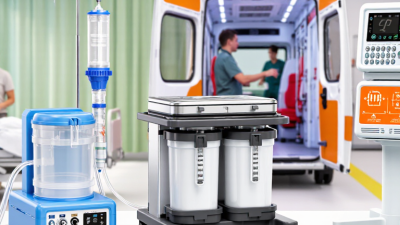
Choosing the best Cami suction machine in 2026 starts with matching its specifications to the intended workload. Vacuum pressure, measured in mmHg, indicates how much negative pressure the unit can generate. Airflow, measured in liters per minute, describes how quickly air moves through the system. They are related, but not interchangeable. A high peak pressure alone may not mean faster, steadier suction.
Check both figures under realistic conditions, not just the maximum values printed in a listing. For example, a unit might reach strong pressure with its tubing briefly blocked, yet provide modest airflow through the assembled setup. Numbers can mislead. Compare the machine with the same tubing, collection container, and filter arrangement when possible. Also check whether the stated airflow is measured freely or under load; sellers may report these differently.
Duty cycle matters during repeated or extended use. It describes how long a machine can run before needing a rest, often as a percentage or stated operating interval. A unit rated for intermittent use may require cooling breaks during a busy session. That detail can matter as much as pressure. Look for clear operating limits, stable performance, and straightforward cleaning instructions. I would not rank a machine by one impressive number; published specs rarely show every real-world variation. If the device is intended for clinical care, confirm that its specifications suit the care plan with a qualified professional.
A Cami suction machine rated at 600 mmHg vacuum and 20 L/min airflow may look powerful on paper. These figures describe different things. Vacuum indicates how strongly the unit can create negative pressure, while airflow measures how much air it moves over time. Neither number tells the whole story.
Numbers need context. A maximum vacuum reading may be measured with the airflow nearly closed, while the 20 L/min figure may reflect unrestricted flow. In real use, tubing bends, filters, and collected moisture can reduce performance. Ask whether both ratings were measured under comparable conditions, and check the specified operating range. I would not treat either number as a trophy. The balance matters more.
Check this carefully. Look for stable suction during sustained operation, accessible filters, clear maintenance instructions, and a container suited to the intended task. If possible, test the machine with its normal tubing attached; a strong reading at the outlet can feel less impressive at the working end. Noise and heat also affect daily use, though they rarely appear in headline specifications. I might still choose a lower-rated model if its airflow remains steadier in practical conditions. That judgment is imperfect, but it is more useful than comparing peak figures alone.
What Is the Best Cami Suction Machine in 2026?
Check ISO 10079-1 Safety Features, Filters, and Overflow Protection
The best choice depends on the intended clinical use, care setting, and the user’s ability to operate and clean the device. Check the product documentation for the applicable ISO 10079-1 requirements, not just a brief label or sales claim. Confirm the specified vacuum range, readable gauge, adjustable control, and clear instructions. I would not choose by peak vacuum alone; that number can look impressive but reveal little about everyday handling.
Tips: Check the filter type and replacement schedule. A filter helps protect the pump from fluid and contamination, but it does not make equipment sterile. Look for a collection container with a working overflow shutoff or other stated overflow protection. Follow the maker’s testing and cleaning instructions.
Before purchase, check how the unit behaves when the container nears capacity, and whether alarms or indicators are easy to notice. Consider noise, portability, power options, and the availability of replacement containers and filters. Ask a qualified clinician or biomedical professional to confirm that the device suits the intended use. Standards and configurations can differ, so verify the exact model documentation. Small details are easy to overlook. A filter installed incorrectly, or a poorly seated lid, can undermine protection.
Use this buyer checklist to compare safety documentation, performance information, filters, and overflow protection.
How to read this chart: Bars count questions to verify—not product test results, scores, or proof of compliance.
Check the instructions for use and product documentation for ISO 10079-1 conformity evidence, stated vacuum and free-air-flow performance, filter type and replacement guidance, overflow shutoff or trap details, canister capacity and fill limits, and power or alarm information where applicable. ISO 10079-1 is a standard, not a brand ranking.
In 2026, the best portable suction machine is the one that performs reliably away from an outlet, not simply the one with the smallest case. Rank models by verified weight and packed size first; a unit that fits beside a folded towel in a carry bag is easier to move between rooms. Next, compare operating noise measured in dBA at the same distance. NIOSH’s Criteria for a Recommended Standard: Occupational Noise Exposure sets an 85 dBA limit for an eight-hour workday. That is a workplace exposure benchmark, not a comfort rating, but it offers useful context. A quieter bedside unit may still sound sharp in a small room.
For battery life, favor published runtime under realistic load over idle-time claims. Test it loaded. A short run can expose weak capacity. Rank models with replaceable or clearly specified batteries above units with vague runtime figures. For cost, compare the purchase price plus replacement batteries, filters, and other routine parts; the lowest sticker price may age poorly. My practical order is: light, quiet, long-running models first; heavier units with stronger verified runtime next; plug-dependent or poorly documented models last. Recheck that order against actual dB readings and loaded battery tests. Spec sheets can look precise, yet real rooms and patient needs vary.