Leave Your Message

What Is a Bedsore Air Mattress and How Does It Work?

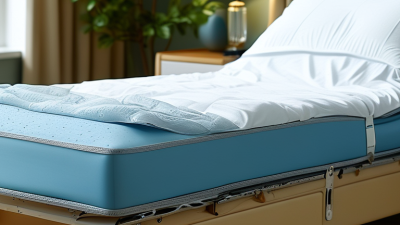
A Bedsore Air Mattress is a specialized support surface designed to reduce pressure on vulnerable areas of the body. It is often used for people who spend long periods in bed or have limited mobility. The term “bedsore” commonly refers to a pressure ulcer, which can develop when constant pressure restricts blood flow to the skin and underlying tissue.

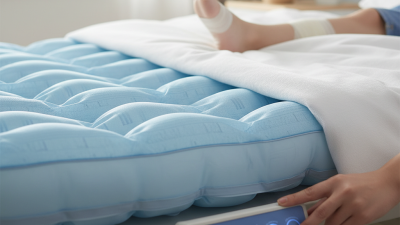
Most models contain connected air cells and a small electric pump. The pump fills and deflates selected cells in a repeating pattern. This alternating pressure gently changes the body’s contact points, helping relieve prolonged stress around the heels, hips, shoulders, and tailbone. Some mattresses use low-air-loss technology to improve airflow and manage surface moisture. That detail matters.

A proper setup requires more than switching on the pump. Caregivers should check the mattress pressure, body alignment, skin condition, and the user’s comfort. Wrinkled bedding, incorrect inflation, or a poorly fitted frame can reduce its benefit. Clinical guidance also emphasizes regular repositioning, nutrition, hydration, and daily skin inspections. An air mattress supports prevention and care, but it does not replace professional assessment or wound treatment.

Not every model suits every person. Weight, existing wounds, temperature sensitivity, noise tolerance, and mobility needs can affect the choice. Some users may find the pumping sound disruptive. That limitation is easy to overlook. A nurse, doctor, or wound-care specialist can help confirm whether a Bedsore Air Mattress is appropriate and how it should be maintained safely.
What Is a Bedsore Air Mattress and How Does It Work?

What Is a Bedsore Air Mattress?

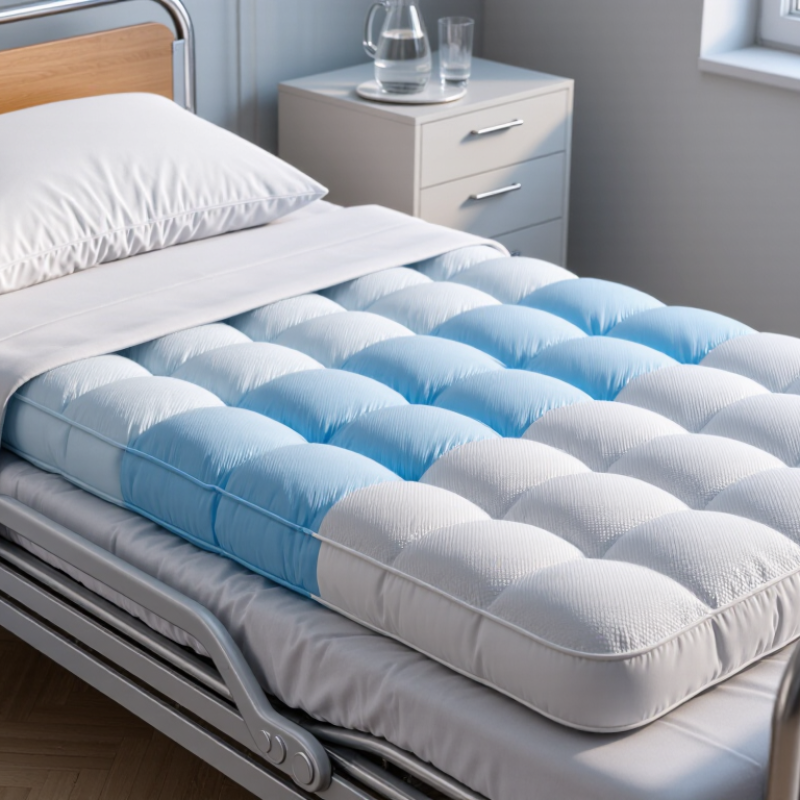
A bedsore air mattress is a specialized support surface designed to reduce prolonged pressure on vulnerable areas of the body. It usually contains air-filled cells that inflate and deflate through a quiet pump. This movement changes where the body carries weight, especially around the heels, hips, shoulders, and tailbone. Some models provide alternating pressure, while others maintain low, steady air loss to reduce heat and moisture. The goal is pressure redistribution, not guaranteed prevention or treatment.

In practical care, the mattress should feel supportive without making the user sink deeply into it. A caregiver may notice less sweating, fewer complaints about stiffness, or improved comfort after repositioning. However, an air mattress cannot replace regular turning, skin checks, clean bedding, adequate nutrition, or medical assessment. Redness that does not fade, broken skin, warmth, swelling, or unusual drainage needs prompt attention from a qualified healthcare professional. It is easy to overestimate what the mattress can do. I would not rely on it alone.

Tips: Check the pump and tubing daily for leaks, kinks, or unusual noise. Keep the cover smooth and dry. Follow the care instructions and adjust pressure only as directed. Use your hand to check whether the person is supported, rather than judging by appearance alone. Small details matter.

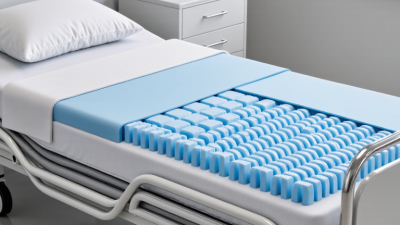
Key Components and Pressure-Relief Structure

A bedsore air mattress uses adjustable air cells to reduce prolonged pressure on vulnerable skin. It is designed for people who spend long periods in bed. The main components include an electric pump, connected air tubes, individual air cells, and a washable cover. Some models also contain pressure sensors or adjustable firmness controls. The pump quietly fills and empties selected cells. This creates an alternating pressure pattern beneath the body.

The pressure-relief structure is the mattress’s central feature. When one group of cells softens, nearby cells support the body instead. Weight shifts gradually across the shoulders, hips, and heels. These areas often need closer attention because bone lies near the skin. A textured cover can reduce friction during small movements. Air circulation may also reduce moisture, although it cannot replace regular skin care.

It is not a cure.

From practical care experience, correct inflation matters. A mattress that feels too firm may increase pressure rather than relieve it. One that is too soft can make turning and transfers unsafe. Caregivers should check the pump, tubing, cover, and skin condition every day. Wrinkles, leaks, or power interruptions can weaken the pressure cycle. Repositioning remains important, even when the mattress is working correctly. No air system fits every body equally well. Individual weight, posture, circulation, and existing wounds should guide professional assessment. The design helps, but it still needs human judgment.

What Is a Bedsore Air Mattress and How Does It Work? — Key Components and Pressure-Relief Structure

Component or Feature Typical Structure or Specification How It Works Practical Benefit
Air-cell mattress surface Interconnected tubular or honeycomb-shaped air cells made from medical-grade PVC, TPU, or a similar flexible material. Air cells support the body while allowing the contact area to conform to the user’s shape. Helps distribute body weight more evenly than a flat, rigid surface.
Alternating-pressure cycle Adjacent groups of air cells inflate and deflate in a repeating cycle, commonly lasting about 6–12 minutes. One group temporarily carries more load while another group is partially relieved, then the pattern reverses. Reduces the duration of continuous pressure on vulnerable areas such as the sacrum, hips, and heels.
Low-air-loss function Small air outlets or porous materials allow a controlled flow of air through or around the mattress surface. Moving air helps reduce heat and moisture accumulation between the skin and mattress. Supports a cooler, drier microclimate and may help reduce moisture-related skin damage.
Air pump Electric pump with pressure controls, air outlets, tubing connectors, and an audible or visual alarm on some models. The pump supplies and removes air from separate cell groups according to the selected operating mode. Maintains the pressure pattern without requiring manual repositioning of the air cells.
Adjustable pressure control Usually a dial or electronic control that adjusts inflation level according to body weight, comfort, and clinical guidance. Changes the amount of air in the cells and therefore changes the firmness and immersion depth. Allows the support surface to be adapted to different users and care requirements.
Static mode All air cells remain at a relatively stable pressure instead of alternating. Creates a more uniform surface when movement is uncomfortable or during selected care procedures. Can improve stability for transfers, personal care, or certain clinical situations.
CPR rapid-deflation feature A manual release valve or quick-deflation mechanism located near the pump or mattress head area. Allows air to escape rapidly when immediate access to a firm support surface is required. Can support emergency response procedures; staff should follow local clinical protocols.
Heel-relief section Lower-pressure cells, an elevated foot section, or a dedicated heel-offloading zone. Transfers part of the load away from the heels or keeps them from bearing direct pressure. Helps protect a common pressure-injury site, especially for users with limited mobility.
Side bolsters and edge support Reinforced perimeter cells or foam side supports integrated along the mattress edges. Provides greater lateral stability and helps prevent the user from rolling toward the edge. Improves positioning and may make transfers and bedside care easier.
Cover material Typically a stretchable, vapor-permeable, fluid-resistant, and wipe-clean cover with a concealed or protected zipper. Allows limited movement of the surface while helping protect the air cells from moisture and contamination. Supports hygiene, durability, and easier cleaning between uses.
Pressure redistribution Achieved through immersion, envelopment, alternating inflation, or a combination of these methods. The mattress increases the contact area under the body and reduces concentrated loading at bony prominences. May help prevent pressure injuries when combined with repositioning and skin-care practices.
Typical operating pressure Many systems operate within an adjustable low-pressure range; exact values vary by design, user weight, and manufacturer settings. Lower cell pressure allows deeper immersion, while excessive pressure reduces immersion and comfort. Correct adjustment helps balance pressure relief, support, and safety.
Weight capacity Common product categories support approximately 100–200 kg (220–440 lb), but the safe limit is model-specific. The mattress structure and pump output are designed for a stated maximum user load. Using the mattress within its rated capacity helps maintain intended performance.
Power-failure protection May include a battery backup, non-powered support mode, or rapid-loss prevention valve, depending on the system. Helps preserve some level of support if electrical power is interrupted. Reduces the risk of sudden loss of inflation, but emergency procedures should still be followed.
Recommended care practices Regular skin inspection, correct pressure adjustment, clean linens, cable and tubing checks, and scheduled repositioning. The mattress complements rather than replaces clinical assessment and movement-based care. Provides a more complete pressure-injury prevention strategy.

Important: Specifications such as cycle time, pressure range, weight capacity, and backup performance vary by mattress design. An air mattress should be selected and adjusted according to the user’s condition and professional clinical advice; it does not replace regular repositioning, skin inspection, nutrition, or treatment of an existing pressure injury.

How Alternating Air Cells Distribute Body Pressure

A bedsore air mattress uses connected air cells to reduce prolonged pressure on vulnerable body areas. An internal pump inflates and deflates selected cells in a repeating pattern. While one group supports the body, another group briefly softens. This alternating action shifts pressure away from the sacrum, hips, shoulders, and heels. It also allows small blood vessels to recover from constant compression. Many users describe the sensation as a gentle, slow rocking movement.

The mattress does not remove every risk. Moisture, friction, poor nutrition, limited movement, and incorrect pressure settings can still contribute to pressure injuries. A healthcare professional should check the skin regularly, especially after waking. Look for persistent redness, warmth, swelling, or broken skin. The patient’s weight, posture, and medical condition affect the correct setting. A mattress that feels too firm may increase contact pressure, while excessive softness can reduce stability. It is easy to trust the equipment too much. That is a mistake worth reconsidering.

Tips: Keep the pump running as directed, and check that air hoses remain open. Use a thin, breathable sheet instead of thick padding. Reposition the person according to their care plan. Keep heels slightly lifted when advised. Stop and seek clinical guidance if redness does not fade after pressure is removed.

How a Bedsore Air Mattress Supports Skin Protection

What Is a Bedsore Air Mattress and How Does It Work?

How a Bedsore Air Mattress Supports Skin Protection

A bedsore air mattress uses air-filled cells to distribute body weight more evenly. Some models maintain steady pressure. Others inflate and deflate sections in cycles. This alternating movement gives compressed skin brief periods of relief. It also supports airflow around vulnerable areas, including the heels, hips, shoulders, and sacrum.

Pressure injuries develop when pressure, friction, or moisture reduces blood flow. The 2019 International Guideline from EPUAP, NPIAP, and PPPIA recommends suitable support surfaces as part of a wider prevention plan. An AHRQ report estimates that pressure injuries affect about 2.5 million hospital patients annually in the United States. A mattress may reduce concentrated loading, but it cannot remove every risk.

Small details matter. The pump should match the user’s weight and mattress design. Staff should check inflation, skin condition, and comfort regularly. Repositioning remains important, even with alternating air cells. The skin can look normal while deeper tissue suffers. That is easy to miss. In practice, caregivers may also overlook moisture, wrinkled sheets, or a poorly fitted mattress. Air support helps, but it is not a cure. Its value depends on daily assessment, correct settings, nutrition, movement, and timely clinical advice.

Choosing, Using, and Maintaining the Right Air Mattress

A bedsore air mattress, also called a pressure-relief mattress, uses air-filled cells to reduce prolonged pressure on vulnerable areas. Many models alternate inflation, gently shifting support between the hips, shoulders, and heels. This movement can improve comfort and help manage pressure for people with limited mobility. It does not replace regular repositioning or professional skin assessment. Pressure injuries can worsen quietly.

Choosing the right mattress depends on the user’s weight, mobility, skin condition, bed size, and care environment. A quieter pump may matter at night. Adjustable pressure settings can improve comfort, but excessive softness may make turning difficult. Place the mattress on a stable bed frame, secure the tubing, and follow the manufacturer’s inflation instructions. Check the skin every day, especially around the heels, hips, tailbone, and elbows. Redness that does not fade needs prompt medical attention. I have found that comfort reports are useful, but they should not replace clinical judgment.

Tips: Keep the surface dry and use a breathable, fitted sheet. Avoid sharp objects near the air cells. Check the pump and power connection daily. Clean the cover according to its care instructions, then let it dry fully. Record unusual noises, leaks, or pressure changes. Small leaks can be easy to miss. Reassess the mattress when the person’s weight, mobility, or health changes.

What Is a Bedsore Air Mattress and How Does It Work?

An alternating-pressure air mattress uses air cells that inflate and deflate in sequence to redistribute pressure. The example below illustrates a typical 10-minute cycle; actual cycle times and pressure settings vary by mattress model and user requirements.

How to read the chart: While one group of air cells is inflated to support the body, the opposite group is deflated to provide pressure relief. The groups then alternate. An air mattress should be correctly inflated, regularly inspected, and used together with repositioning and skin checks.