2026 How to Choose the Best Anti-Decubitus Mattress for Comfort and Support?
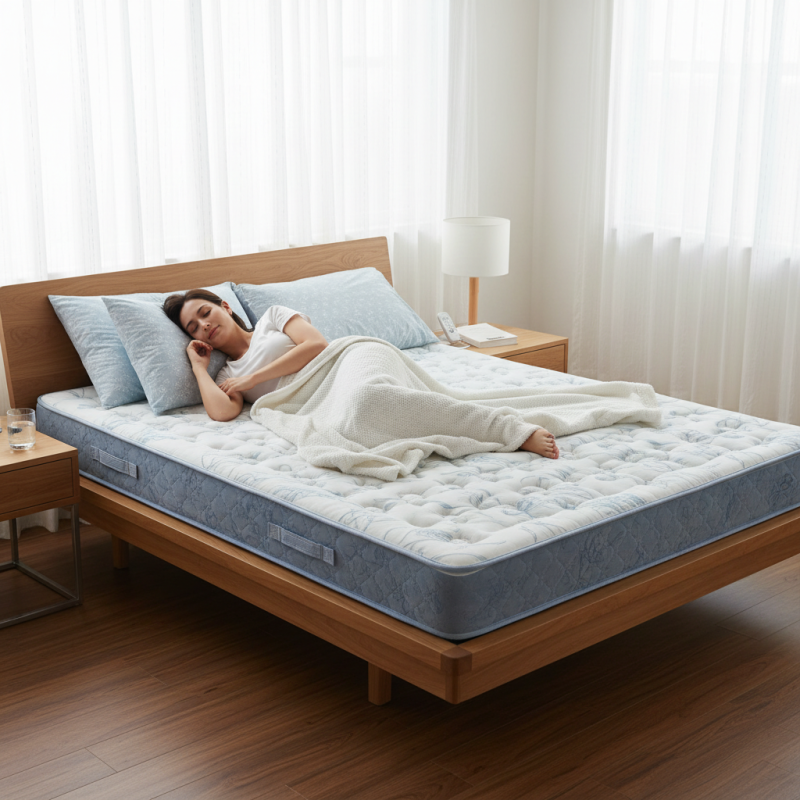
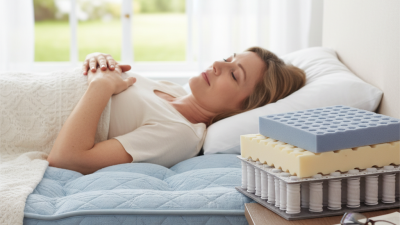
The choice of an Anti-Decubitus Mattress can significantly influence comfort and support. When selecting a mattress, factors such as materials, design, and pressure relief are crucial. These elements work together to prevent bedsores and enhance overall well-being.
Many people overlook quality and features. Not all mattresses offer adequate support. Some might feel comfortable initially but fail on long-term use. A mattress with optimal airflow and moisture control is essential for maintaining a healthy skin environment.
Consider individual needs and sleep patterns. Some may require firmer support, while others prefer softer surfaces. It’s important to reflect on personal comfort preferences and any specific medical conditions. Finding the right Anti-Decubitus Mattress can lead to better sleep quality and health outcomes.
Understanding Decubitus Ulcers and Their Causes
Decubitus ulcers, also known as pressure sores, are serious wounds affecting individuals with limited mobility. They occur when sustained pressure on the skin reduces blood flow to the area, leading to tissue damage. Understanding the common causes of these ulcers is essential for prevention and care. Factors contributing to their development include prolonged sitting or lying down, inadequate nutrition, and moisture.
Individuals with conditions like paralysis or advanced age are more susceptible. Skin that is fragile or thin is at higher risk. These ulcers can develop in certain areas, such as the back, heels, and hips. Regularly changing positions can help relieve pressure. Inadequate awareness of the issue often leads to overlooking basic preventive measures. Using specialized mattresses can significantly improve comfort and support for those at risk.
Nonetheless, the perfect solution isn't always clear-cut. Each individual has unique needs requiring careful consideration. Regular skin assessments are crucial to identify potential issues early. Ignoring changes in skin condition can escalate problems into serious health concerns. It's important to reflect on current practices and adapt strategies accordingly.
Comfort and Support Levels of Different Anti-Decubitus Mattresses
This bar chart illustrates the comfort levels of various types of anti-decubitus mattresses on a scale of 1 to 10. Choosing the right mattress is essential for preventing decubitus ulcers and ensuring better support and comfort for individuals at risk.
Key Features to Look for in an Anti-Decubitus Mattress
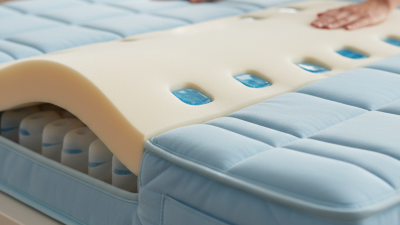
When selecting an anti-decubitus mattress, focus on key features that enhance comfort and support. Reports indicate that pressure-relieving mattresses effectively reduce the risk of bedsores by redistributing body weight. A study found that 80% of patients using specialized mattresses experienced fewer pressure ulcers compared to traditional options. This highlights the importance of material and design in mattress selection.
Look for a mattress with adjustable firmness levels. Such versatility allows individuals to customize their sleeping experience based on personal comfort needs. Additionally, breathable materials are crucial. They help regulate body temperature, which is vital for long-term use. A mattress with good airflow can minimize moisture buildup, reducing the risk of skin breakdown.
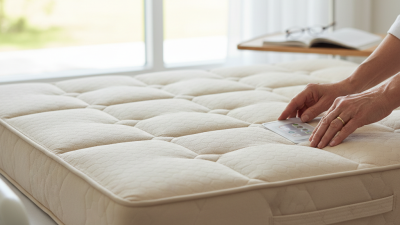
Consider the mattress’s weight distribution features. Some mattresses utilize advanced technology to monitor and adapt to body movements. This responsiveness can help ease pressure on sensitive areas. However, not all mattresses provide adequate support for different body types. Testing a mattress lengthwise can help identify the best fit. Prioritize options that fulfill specific support requirements, as every individual’s needs can differ significantly.
Types of Anti-Decubitus Mattresses: Pros and Cons
When choosing an anti-decubitus mattress, understanding the types available is crucial. There are three main categories:
foam,
air, and
hybrid mattresses.
Each type has its own pros and cons that influence comfort and support.
Foam mattresses, known for their contouring abilities, provide good pressure relief. According to the National Pressure Ulcer Advisory Panel, pressure redistribution is vital for preventing ulcers. However, they can retain heat, which might cause discomfort. Maintaining a comfortable temperature year-round is important for prolonged use.
Air mattresses use adjustable air chambers to distribute weight evenly. Research shows they are effective in reducing pressure points, making them a popular choice. Yet, they can be prone to punctures, leading to air loss. Users should remain vigilant and check for leaks regularly.
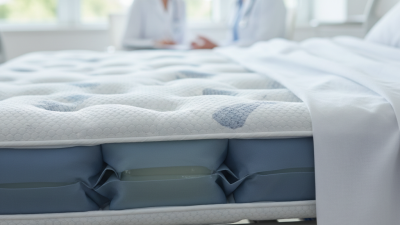
Hybrid mattresses combine foam and air features for enhanced support. They offer the best of both worlds, but these mattresses can be more expensive. Weigh the benefits against your budget before purchasing.
Tip: Ensure to test the mattress before buying. Comfort can vary from person to person. Take your time to find what feels right for you. Choose a mattress with removable covers for easy washing. This keeps hygiene in check.
Evaluating Comfort and Support Levels in Mattresses
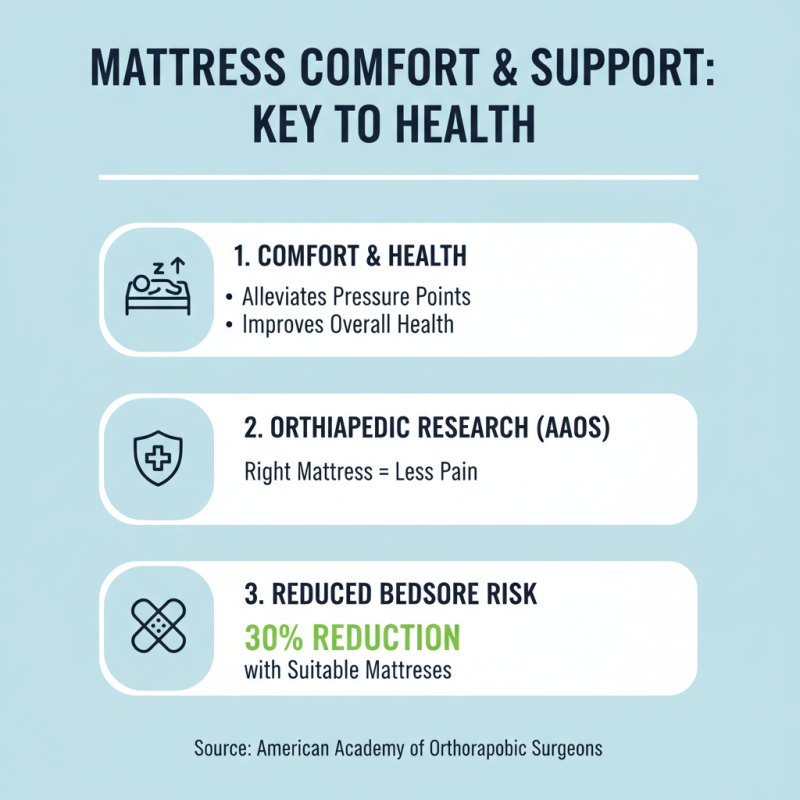
When evaluating comfort and support levels in mattresses, it’s vital to consider how these factors affect overall health. Research from the American Academy of Orthopaedic Surgeons shows that the right mattress can alleviate pressure points. Patients using suitable mattresses experience a 30% reduction in the risk of bedsores. This statistic underscores the importance of selecting a mattress with the appropriate firmness and support.
Key characteristics to assess include the mattress material and its density. Memory foam has become popular for its ability to contour to the body. According to the National Sleep Foundation, medium-firm mattresses are often recommended for spinal alignment. However, individual preferences vary significantly. Feedback from users often reflects personal needs, highlighting that what feels comfortable to one may not suit another.
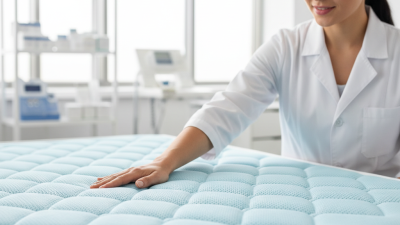
**Tips:** Always test a mattress for at least 15 minutes in a store. Your body needs time to gauge comfort properly. Consider your sleeping position as well—side sleepers may prefer softer options while back sleepers might seek firmer support.
Mind the potential trade-offs; some mattresses may offer comfort but lack adequate spine support. Temporary comfort could lead to long-term discomfort. Reflect on personal experiences, as different conditions call for diverse solutions. Keep in mind the importance of proper research and informed choices when selecting your mattress.
Guidelines for Selecting the Right Mattress for Specific Needs
When selecting an anti-decubitus mattress, individual needs should guide your choice. Research shows that about 70% of patients in healthcare settings develop pressure ulcers due to prolonged bed rest. Therefore, comfort is crucial for preventing such conditions. A well-designed mattress can redistribute body weight, reducing pressure on vulnerable areas.
Look for features that cater to specific conditions. For instance, individuals with reduced mobility may benefit from memory foam. Studies indicate that memory foam reduces pressure by 20% compared to standard mattresses. For those with certain skin sensitivities, hypoallergenic materials are essential. It prevents reactions and enhances overall comfort.
Consider your activity level, weight, and health status. Heavier individuals may require a firmer support system. Lithium figures suggest that supportive layers can result in a 30% improvement in comfort levels. Reflect on personal habits as well. Frequent repositioning needs are common in many cases. Thus, mattress choices should accommodate easy movement. Finding the right balance between comfort and support can feel daunting but is crucial for long-term well-being.
2026 How to Choose the Best Anti-Decubitus Mattress for Comfort and Support?
| Mattress Type |
Material |
Support Level |
Pressure Relief |
Recommended Weight Limit |
| Gel-infused Memory Foam |
Memory Foam, Gel |
Medium |
Excellent |
Up to 250 lbs |
| Air Pressure Mattress |
Air, PVC |
Adjustable |
Very Good |
Up to 300 lbs |
| Gel Mattress |
Gel, Foam |
Medium-Firm |
Good |
Up to 250 lbs |
| Latex Mattress |
Natural Latex |
Firm |
Excellent |
Up to 350 lbs |
| Hybrid Mattress |
Memory Foam, Innerspring |
Medium |
Very Good |
Up to 300 lbs |