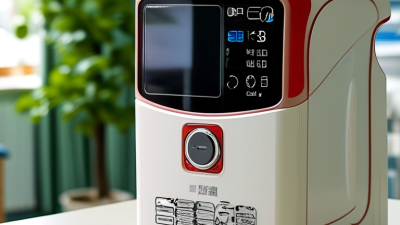
A Suction Unit is a practical device for removing blood, mucus, and other fluids from a patient’s airway or a treatment site. In a hospital room, its role becomes clear: a clinician adjusts the vacuum regulator, checks the collection jar, and connects sterile tubing before suctioning. The unit creates negative pressure, drawing fluid through the tubing into a canister. It sounds simple. Safe use is not.
The World Health Organization’s 2017 Global Atlas of Medical Devices examines how access to appropriate medical equipment varies across health systems. Its wider lesson applies here: having a device is not enough; equipment must be suitable, maintained, and used by trained staff. The American Association for Respiratory Care’s 2022 clinical practice guideline on artificial-airway suctioning also recommends suctioning when clinically indicated, rather than by routine schedule. That distinction matters. Unnecessary suctioning can irritate sensitive airway tissue, while delayed suctioning may allow secretions to obstruct airflow.
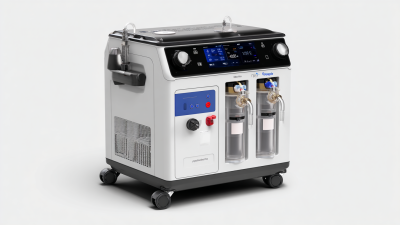
A typical Suction Unit includes a vacuum source, pressure control, collection canister, tubing, and often a bacterial filter. Portable models support transport and home care, while larger systems are common in clinical settings. Performance depends on more than suction strength: setup, patient condition, canister capacity, and infection-control practices all matter. This overview explains how the parts work together and what users should check before operation. One caveat deserves attention: product designs differ, so a general explanation cannot replace the manufacturer’s instructions or clinical training.
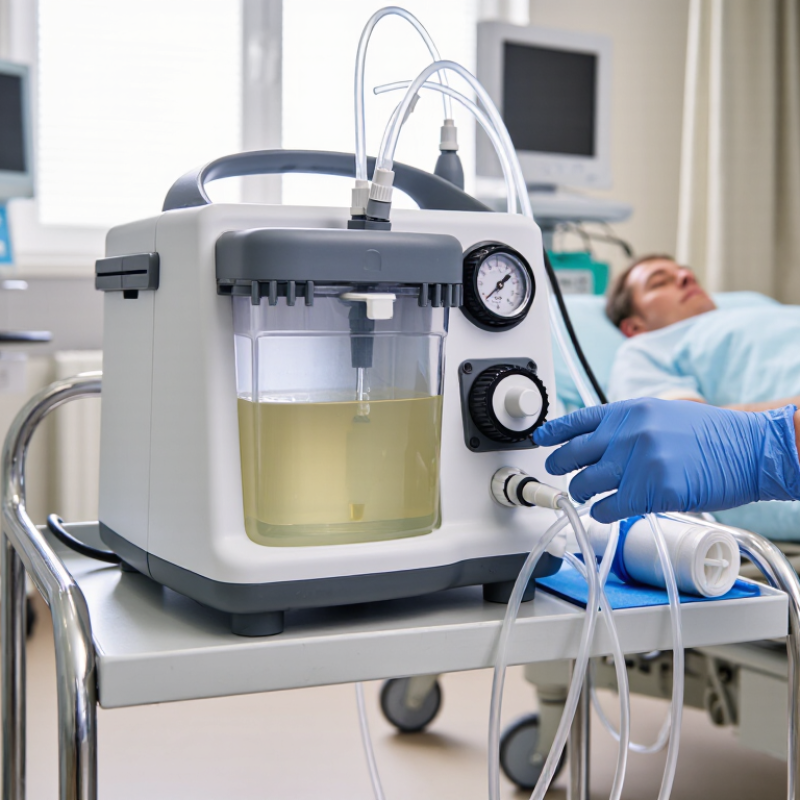
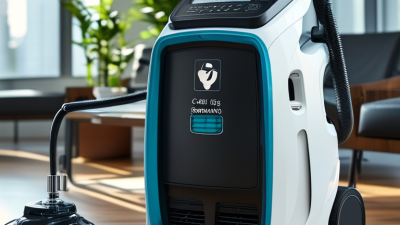
A suction unit is a medical device that removes fluids or secretions by creating controlled negative pressure. It typically includes a pump, suction tubing, a collection canister, and controls for adjusting pressure. The canister catches the material, while filters help protect the equipment and surrounding environment. Small parts matter.
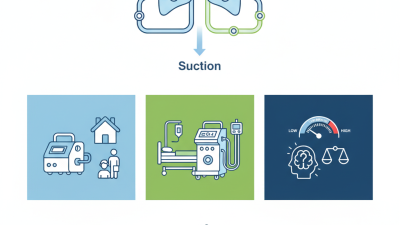
Suction units are used in hospitals, clinics, dental practices, and some home-care settings. Trained caregivers may use them to clear oral or airway secretions when a person cannot manage them effectively. Clinicians also use suction during certain procedures to keep a working area clear of blood or other fluids. The device does not provide oxygen or replace breathing support.
Portable units can be useful at a bedside or during transport; larger units often serve fixed treatment areas. Safe use depends on the patient, the task, and the device’s instructions. Staff check tubing, canister capacity, filters, and pressure settings before use, then clean or replace parts as directed. That routine can feel mundane, but a blocked tube or full canister can disrupt suction. The basic idea is simple; choosing and maintaining the right unit requires judgment.
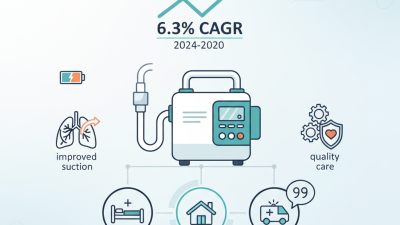
A suction unit turns electrical power into controlled negative pressure. Its pump creates the vacuum, while a regulator lets staff adjust suction strength. A gauge displays pressure; it is useful only when read before use. The collection canister catches fluid, and a lid seal helps prevent leaks. Tubing links the patient connection to the canister and pump. A hydrophobic filter or overflow shutoff helps keep liquid out of the pump. Small parts matter.
The assembly is practical, but not foolproof. A loose lid can weaken suction, and a full canister may trigger an overflow safeguard. The American Association for Respiratory Care’s 2022 artificial-airway suctioning guideline recommends pressure below 200 mm Hg for adults and below 120 mm Hg for children and neonates. These are clinical suction limits, not a target setting for every device or procedure; trained staff should follow local protocols and the unit’s instructions. Check the gauge, tubing connections, canister level, and filter before use. It takes a minute. Yet a blocked filter can still be missed, so maintenance and routine checks matter.
A suction unit creates a lower-pressure space inside a sealed pathway. Its pump removes air from the collection canister and connected tubing. This pressure difference moves air and fluid toward the canister. The fluid stays there. A filter may help prevent liquid or particles from reaching the pump, depending on the unit’s design. The pump does not “pull” material directly; airflow moves toward the lower-pressure area.
A regulator controls the suction level, while a gauge shows the pressure in the system. The operator adjusts the setting to suit the task and checks that tubing is connected securely. Too little suction may not move fluid effectively. Excessive suction can cause discomfort or tissue injury in clinical use. The setup seems simple, but it is not always intuitive. A gauge reading is only one clue: a kinked tube, loose connection, or blocked filter can affect performance. Check the full pathway, and follow the unit’s instructions and clinical guidance.
| Component or Stage | What It Does | How It Creates or Controls Suction |
|---|---|---|
| Suction source | An electric pump or a central vacuum supply provides the unit’s vacuum source. Some portable units use a manually operated pump. | The source removes air from the connected system, creating pressure below the surrounding atmospheric pressure. |
| Pressure difference | The pressure difference is what moves air, liquid, or other material through the tubing toward the collection vessel. | Suction is not a pulling force from the pump; higher pressure at the source side pushes material toward the lower-pressure area. |
| Regulator or control valve | This control lets the operator set or adjust the amount of vacuum delivered at the suction connection. | Depending on the design, it limits the vacuum or admits air into the system to reduce it. The selected setting should suit the task and equipment instructions. |
| Vacuum gauge | The gauge displays the vacuum level in the system, commonly in units such as kilopascals (kPa) or millimetres of mercury (mmHg). | It helps the operator check the pressure level. A gauge reading does not, by itself, confirm that the tubing is clear or that fluid is flowing. |
| Collection canister | The canister receives liquid or debris carried through the suction tubing and keeps it from reaching the pump or vacuum line. | It sits between the suction inlet and the source. The canister must be correctly connected and not filled beyond its marked limit. |
| Overflow protection and filter | Many units include a float shutoff, hydrophobic filter, or similar barrier to help protect the pump or central vacuum system from liquid or contamination. | These parts restrict or stop flow if liquid reaches the protection point. They should be checked and replaced or cleaned according to the device instructions. |
| Tubing and suction tip | Tubing carries material from the point of suction to the collection canister; a tip or attachment provides the working opening. | Leaks, kinks, blockages, or a poorly fitted connection can reduce or interrupt suction. Compatible, correctly connected parts support reliable flow. |
| Typical operating sequence | Connect the components, check the canister and protection devices, switch on the source, and verify the pressure setting before use. | Adjust suction with the regulator while monitoring the gauge, then stop the source and handle collected material using the applicable safety and cleaning procedures. |
| Important limitation | Suction units are designed for specific tasks and may differ in capacity, controls, and compatible accessories. | Use the manufacturer’s instructions and applicable workplace or clinical procedures. Do not use a unit for a purpose it was not designed to perform. |
Suction units are commonly classified by how they create suction and where they are used. Portable electric units have a built-in pump, pressure control, and collection canister. Their wheels or carry handles make them useful in ambulances, treatment rooms, and locations without fixed outlets. The motor can be noisy, and the canister needs regular checking. Small details matter.
Wall-mounted units connect to a central vacuum system in hospitals and clinics. A regulator and gauge let staff adjust suction at the outlet, while a separate canister collects fluid. These systems reduce equipment on the floor, but they depend on building infrastructure and routine maintenance. Manual suction devices use a hand-operated pump or foot pedal. They need no electrical power, though creating steady suction can take effort.
Some units are designed for particular settings, such as dental care or operating rooms. Dental systems may handle saliva and rinse water, while surgical suction equipment is configured for fluid removal during procedures. The categories are not perfectly neat: portable devices can serve several departments, and accessories affect performance. Staff should match the unit, tubing, and collection container to the task, then follow the equipment instructions and local clinical procedures.
A suction unit removes fluids by creating negative pressure, drawing them through a collection tube into a canister. Before use, place the unit on a stable, dry surface and inspect the power cord, tubing, and canister. Check that connections are secure and the collection container is below its fill limit. Set pressure only as directed by a clinician or the device instructions. Keep the unit accessible, but away from water and trip hazards.
Tips: Keep a spare tube nearby if your care plan calls for one. Watch for cracks, loose fittings, unusual noise, or reduced suction. Stop and check the setup if performance changes. Small details matter.
After use, switch off the unit and handle collected fluid according to your care facility’s procedures. Wear appropriate gloves, and clean reusable parts only as directed in the instructions. Do not immerse the motor or electrical components. Replace disposable items on schedule, and never reuse parts marked for single use. Inspect the filter and canister regularly; a full container can interrupt suction. Even with a careful routine, a loose connector can be easy to miss, so pause for a final visual check. Record problems and arrange qualified service when needed.