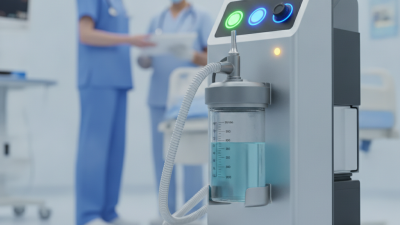
Portable Suction Unit Tips for Efficient Medical Use?
Portable suction units play a crucial role in medical settings. They provide rapid suctioning during emergencies and routine procedures. These compact devices are essential in both hospitals and outpatient settings. Their portability enhances response times, especially in critical situations.
Utilizing a portable suction unit effectively requires understanding its components. Familiarity with the device ensures the best operation during patient care. However, improper use can lead to complications. Medical professionals should be cautious and always follow best practices. Each unit may have different specifications requiring proper training.
It's vital to regularly maintain these devices to ensure reliability. Neglected equipment can fail when most needed. Staff training on the latest techniques enhances efficiency. Mistakes can happen, but reflection on incidents encourages continuous improvement. Emphasizing careful use will boost patient safety and outcomes in medical environments.

Understanding the Functionality of Portable Suction Units in Medicine
Portable suction units are essential in medicine for clearing airways. They are designed for various medical situations. Understanding their functionality is crucial. These devices are small and easy to transport. They enable healthcare professionals to respond quickly in emergencies.
The suction mechanism is simple yet effective. When activated, it creates a vacuum to remove fluids. This can include blood, mucus, or other obstructions. Observing the suction process reveals its importance in maintaining clear airways. Inadequate suction might lead to complications. Therefore, proper training is vital for all medical staff.
Maintenance of these units often gets overlooked. Regular checks ensure they function correctly. Faulty equipment can delay critical interventions. It is crucial to regularly inspect the filters and suction tubes. Awareness of these units' limitations fosters better practices. Even in effective systems, there can be a margin for error. Training and continuous education help minimize mistakes in using these devices.
Key Features to Consider When Choosing a Portable Suction Unit
Choosing the right portable suction unit is crucial for effective medical use. Key features should include suction power, portability, and ease of cleaning. According to the Journal of Clinical Medicine, adequate suction power can significantly improve patient outcomes in emergency settings. Ideal units should provide at least 30 liters per minute of suction flow. However, these specifications may not be met by all models. Careful evaluation is necessary.
Portability is another essential factor. A lightweight design allows for easy transport between locations. The best units often weigh under 10 pounds, providing flexibility for medical professionals. While considering weight, ensure it doesn’t compromise suction performance. Many units are versatile but may lack in durability. Check the materials to avoid using devices that can break under stress.
Tips for making an informed choice include verifying battery life. A reliable unit should last at least one hour on a full charge. Check if the suction canister is easy to replace, as this improves efficiency in urgent situations. Remember to look for user-friendly interfaces. While all features contribute to effectiveness, you might discover that some devices fall short in real-world applications. This reflection can guide a more tailored choice for specific medical environments.
Best Practices for Operating Portable Suction Units Safely and Efficiently
Operating portable suction units safely and efficiently requires attention to detail and proper training. Familiarize yourself with the device before use. Know all controls, functions, and settings. Always perform a pre-use check to ensure everything is in working order. Pay close attention to battery life and suction levels, as these directly impact performance.
During procedures, maintain a clean work environment. This minimizes the risk of contamination. Use appropriate suction catheters and adapt them based on the patient's needs. Always prioritize the patient's comfort. Be mindful of the pressure settings to avoid causing harm to delicate tissues. Continuous monitoring during use is essential, as changes may occur quickly.
Emergency situations can arise unexpectedly. Practice makes perfect, but recognize your limitations. If uncertain, consult a colleague or supervisor. Document any unexpected occurrences or difficulties encountered during use. Reflecting on these experiences can enhance your skills and knowledge. Stay informed on best practices and advancements in suction technology to improve your overall efficiency and patient care.
Maintenance Tips for Ensuring Longevity of Portable Suction Devices
Portable suction devices play a crucial role in medical settings. They help clear airways and remove bodily fluids efficiently. To ensure these units operate effectively, maintenance is essential. Regular cleaning is a must for optimal performance. Use appropriate disinfectants to wipe down surfaces and prevent contamination.
Check the tubing and suction canisters frequently. Look for signs of wear or blockages. Replace any damaged parts promptly to maintain suction power. Additionally, ensure that the filters are clean. Clogged filters can diminish suction efficiency and lead to device failure.
Battery maintenance is another critical factor. Regularly charge the battery and replace it as needed. A weak battery can result in unreliable operation during crucial moments. Keep the device stored in a cool, dry place when not in use. This can reduce the likelihood of mildew or damage. Routine checks and care can prolong the life of these valuable tools.
Portable Suction Unit Maintenance Tips
Common Applications of Portable Suction Units in Medical Settings
Portable suction units are invaluable tools in various medical settings. They are primarily used for clearing airways, especially in emergency situations. A nurse or paramedic relies on these devices to remove mucus, blood, or other obstructions. Efficient use of these units can significantly enhance patient outcomes, particularly during critical moments.
In surgical settings, portable suction units provide essential support. They assist in maintaining a clear field of vision for surgeons by removing excess fluids. The portability of these devices also means they can be utilized in different areas within a hospital or clinic. However, improper use can lead to complications, such as infection or inadequate suction power. Staff training is crucial to ensure that these practices are followed diligently.
These units also facilitate care in home health settings. Patients with respiratory issues often benefit from the timely suction of secretions. But caregivers may lack the experience needed for optimal operation. Addressing these training gaps is imperative. While portable suction units have wide applications, their effectiveness hinges on user knowledge and attention to detail.